
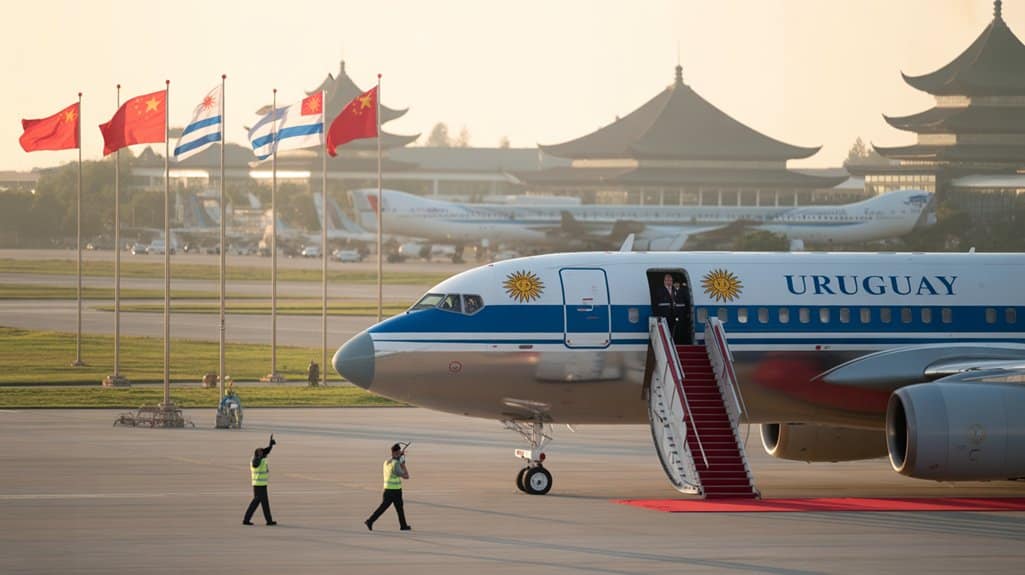
Uruguay’s president just landed in Beijing for talks that go well beyond routine diplomatic protocol. This small South American country, home to just 3.5 million people, is positioning itself strategically between major global powers.
The timing matters. Uruguay sits at a crossroads where it must balance its traditional ties with Western partners against new opportunities with China, now the world’s second-largest economy. Chinese investment in Latin America has grown from $15 billion in 2005 to over $160 billion today, making Beijing an increasingly important player in the region.
Uruguay brings unique assets to this relationship. The country produces enough food to feed 28 million people despite its small population, making it an attractive agricultural partner for China’s massive domestic market. Uruguay’s beef exports to China have already increased dramatically, jumping from virtually zero in 2018 to becoming one of the country’s top export destinations.
The visit comes as Uruguay weighs joining China’s Belt and Road Initiative, a global infrastructure program that spans over 140 countries. While supporters see this as an opportunity for development funding and market access, critics worry about debt sustainability and geopolitical implications.
This partnership reflects broader shifts in global trade patterns. Small nations like Uruguay increasingly look beyond traditional partners to diversify their economic relationships. China offers market access that can transform entire sectors of Uruguay’s economy, from agriculture to technology.
The agreements likely to emerge from this visit will test Uruguay’s ability to maintain its independent foreign policy while capturing economic benefits from great power competition. Success could provide a model for other small nations navigating similar choices between established and emerging global partners.
Key Takeaways
Uruguay’s President touched down in China this February, marking nearly four decades since the two countries first established diplomatic ties back in 1988. The timing couldn’t be better for deepening what both sides now call their comprehensive strategic partnership.
The delegation didn’t come empty-handed. Twelve cooperation deals made it to the signing table, spanning everything from economic development and farming tech to renewable energy projects and cultural exchanges. These agreements build on existing trade relationships while opening new doors for collaboration.
Uruguay’s involvement in China’s Belt and Road Initiative got a boost during the talks. The focus remains practical: cutting down shipping expenses and making trade flow more smoothly between the two nations. For a country that depends heavily on exports, these improvements matter.
The numbers tell the story of growing economic ties. China has become Uruguay’s biggest customer for beef, purchasing over $860 million worth of the country’s premium meat. This relationship has helped Uruguay maintain a healthy $187.1 million trade surplus, demonstrating the mutual benefits of their partnership.
Looking ahead, both countries mapped out plans to modernize their digital trade systems and collaborate on artificial intelligence development. Uruguay’s impressive renewable energy capacity – the country generates nearly all its electricity from clean sources – presents opportunities for green technology partnerships that could benefit both nations.
Uruguay’s Strategic Position in China’s Latin America Expansion
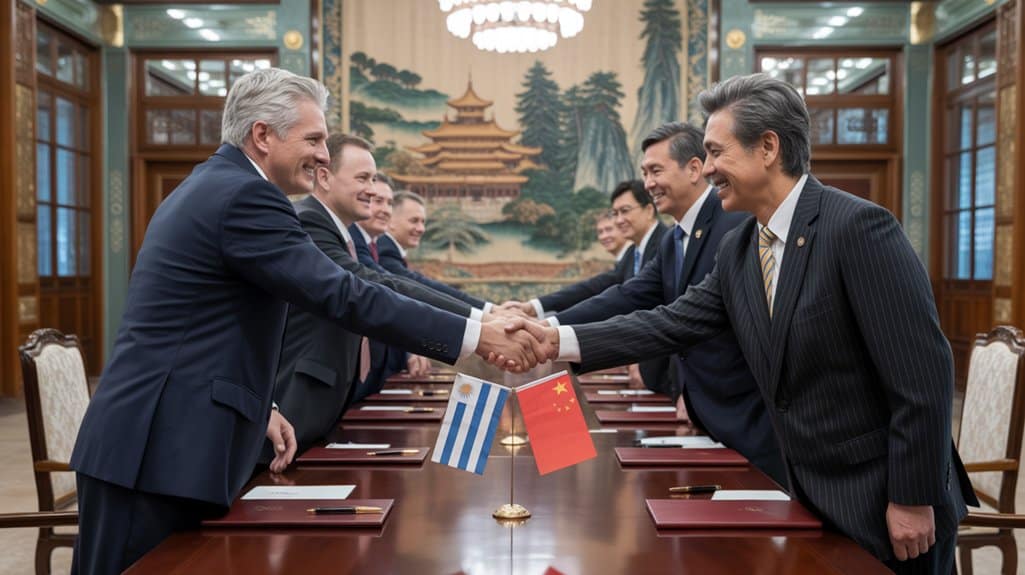
Uruguay sits where South American agriculture meets Asian demand, and this geography gives the country punch well above its weight. With just 3.4 million people, this nation wields influence that larger countries envy through its leadership of three key regional blocs: the G77+ developing nations group, CELAC (which connects Latin America and the Caribbean), and Mercosur, South America’s trade alliance.
China sees Uruguay as more than a supplier of premium beef and soybeans. The relationship creates access to wider South American markets and regional policy discussions. When Beijing builds stronger ties with Montevideo, it gains a voice in trade talks and diplomatic initiatives across the continent. Both countries get what they need from this arrangement, Uruguay secures buyers for its farm exports while China locks in food supplies and builds regional partnerships. President Orsi brought 150 business leaders to Beijing, signaling the economic dimensions of this diplomatic push.
This diplomatic courtship unfolds as competition intensifies throughout the Americas. Uruguay’s triple leadership role means Chinese engagement here ripples outward, influencing how an entire region approaches trade, development, and international relations.
Xi-Orsi Talks Produce Joint Statement on Strategic Partnership
President Xi Jinping received Yamandú Orsi at Beijing’s Great Hall of the People on February 3, 2026, exactly 38 years after China and Uruguay first established diplomatic ties. The two leaders signed a joint statement that strengthens their comprehensive strategic partnership, with Uruguay bringing a substantial 150-member delegation to demonstrate their commitment to deeper cooperation with China.
The talks covered mutual support for each country’s key priorities. Uruguay restated its support for the one-China principle, while China committed to backing Uruguay’s participation in international organizations where the South American nation seeks leadership roles.
The partnership spans multiple sectors that directly affect both economies. Trade agreements focus on Uruguay’s main exports – dairy products, beef, and soybeans – which should boost the country’s economic growth. Technology cooperation targets digital economy development, giving Uruguay access to innovation that could modernize its infrastructure. Environmental collaboration emphasizes green energy projects that align with Uruguay’s renewable energy goals. Cultural exchanges will expand educational programs and tourism between the nations. Both governments also agreed to share governance experiences, which builds institutional trust.
Twelve formal cooperation documents received signatures during the visit. This expanded partnership creates concrete opportunities for both societies, moving beyond diplomatic statements to practical collaboration that addresses Uruguay’s development needs while supporting China’s regional influence in Latin America. China pledged support for Uruguay’s role as rotating chair of the Group of 77 and China, promoting solidarity among Global South nations.
Economic Agreements Signed During the Beijing Summit
Uruguay’s participation in China’s Belt and Road Initiative created new pathways for cooperation that emerged during the Beijing summit discussions. Both nations committed to joint ventures in renewable energy development and agricultural innovation programs.
Chinese investment firms expressed concrete interest in upgrading Uruguay’s transportation infrastructure and expanding the country’s digital connectivity networks. These partnerships represent tangible economic opportunities for Uruguay, a small nation of 3.5 million people seeking to diversify its trade relationships beyond traditional markets in Argentina and Brazil.
The clean energy collaboration focuses on wind and solar projects that align with Uruguay’s existing renewable energy success – the country already generates over 90% of its electricity from renewable sources. Agricultural technology agreements target precision farming methods and livestock management systems that could boost productivity in Uruguay’s cattle and sheep industries, which form the backbone of its export economy.
Road improvement projects would address Uruguay’s need for better connectivity between its rural agricultural regions and the Port of Montevideo, the country’s primary export hub. Digital infrastructure investments aim to expand broadband access to rural areas where many farming operations currently lack reliable internet connections essential for modern agricultural practices. Uruguay’s strategic geographical position along the Uruguay River and Río de la Plata, featuring natural deep-water ports, continues to attract interest from Chinese logistics companies evaluating regional expansion opportunities.
Belt and Road Cooperation
When Uruguay became the first MERCOSUR country to join China’s Belt and Road Initiative in 2018, it opened a new chapter for Chinese investment in Latin America. The signing happened during festivities marking three decades of diplomatic ties between Montevideo and Beijing. This partnership gives both countries concrete ways to cut shipping expenses and simplify border procedures that often bog down international trade.
The collaboration centers on infrastructure upgrades, farm sector development, and sharing technical know-how. China buys more than a quarter of what Uruguay sells abroad – mostly beef, soybeans, and wood pulp from the country’s eucalyptus plantations. Rather than staying stuck in this raw materials pattern, both governments want to diversify their economic relationship. President Yamandu Orsi’s visit marks his first visit to China since taking office in 2025.
Recent discussions have explored using local currencies for trade settlements and creating mutual recognition systems for product standards. These changes would make it easier for Uruguay’s smaller businesses to access Chinese markets without navigating complex bureaucratic hurdles that typically favor large corporations.
Emerging Sectors Investment
President Orsi’s Beijing trip opened doors to economic opportunities that stretch far beyond Uruguay’s traditional exports. The two countries signed technology agreements that build on earlier scientific partnerships, marking a clear shift from the usual focus on beef and soybean sales.
The discussions centered on sustainable investment frameworks covering digital trade systems and technical cooperation. These new partnerships aim to modernize cross-border business operations and create pathways for Chinese investment in Uruguay’s emerging industries. Rather than relying solely on agricultural exports, Uruguay positioned itself to attract capital into technology and innovation sectors.
This strategic pivot reflects Uruguay’s recognition that its smaller economy needs to find competitive advantages in specialized markets. The signed agreements create a foundation for diversifying the economic relationship beyond commodity trading. Uruguay’s leadership sees these technology partnerships as essential for competing in global markets where the country’s size becomes an asset rather than a limitation. The agreements also aim to address the challenge of high customs duties, which previously cost Uruguay USD 254 million in export tariffs to China in 2021.
The framework establishes concrete mechanisms for collaboration in areas where Uruguay has developed expertise, particularly in software development and renewable energy technologies. Chinese investors now have structured pathways to participate in Uruguay’s growing tech sector, while Uruguayan companies gain access to larger markets and advanced manufacturing capabilities.
Agriculture, Green Energy, and AI: Priority Investment Sectors
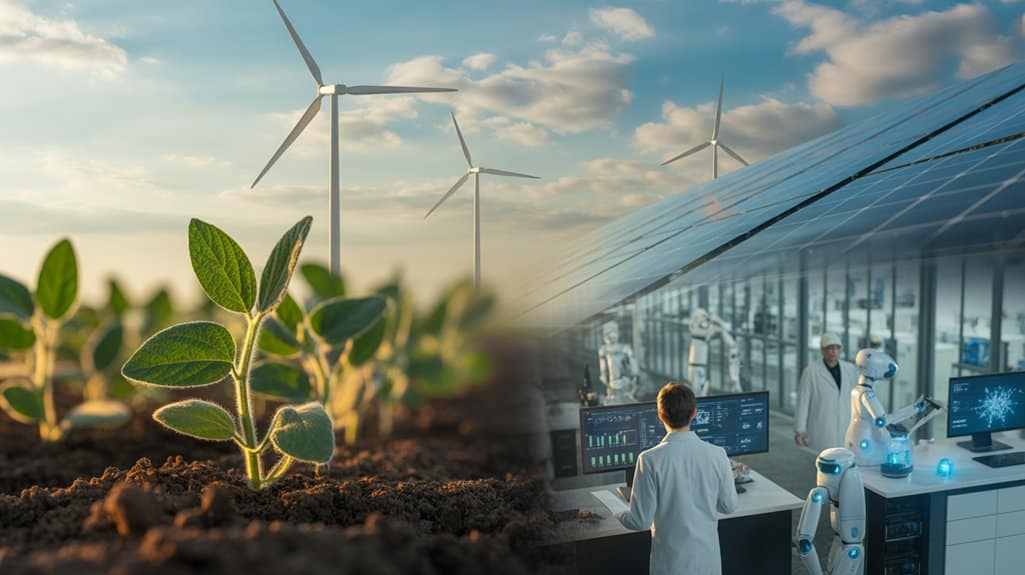
Uruguay and China have built their partnership around three sectors that deliver real benefits for both countries. The agricultural trade forms the backbone of this relationship – beef exports alone brought in over $860 million this year, proving the strength of this foundation.
Clean energy projects now complement the traditional trade flows. Uruguay generates nearly all its electricity from renewable sources, making it an attractive testing ground for Chinese green technology companies. The country’s wind farms and solar installations provide Chinese firms with opportunities to refine their equipment in real-world conditions.
Digital technology represents the newest pillar of cooperation. Chinese companies are investing in Uruguay’s telecommunications infrastructure, while Uruguayan startups gain access to Chinese markets and technical expertise. This exchange works because Uruguay offers a stable regulatory environment and skilled workforce, while China provides capital and manufacturing capabilities that local companies need to scale up. Uruguay has joined The Belt and The Road initiative, signaling its commitment to deeper infrastructure and development collaboration with China.
Expanding Agricultural Trade Relations
Several key sectors drive the growing partnership between China and Uruguay as President Orsi makes his historic visit to Beijing.
Farm products form the foundation of this relationship, with China buying more Uruguayan agricultural goods than any other country. Soybeans, wood pulp, and beef make up the bulk of these exports. The numbers tell the story, Uruguay posted a $187.1 million trade surplus with China in early 2025, showing just how well this partnership works for the South American nation. Beef sales perform particularly well, with Chinese consumers buying large volumes of frozen meat from Uruguayan ranches.
The two countries signed more than 10 cooperation agreements during the visit, focusing specifically on farming and livestock production. Uruguay brought a 150-person business delegation to China, with company executives looking to lock in fresh contracts for their agricultural products. Trade officials from both sides confirm that China has become the top buyer of Uruguayan beef, making it the most important piece of their commercial relationship. Both leaders expressed commitment to inclusive economic globalization as a framework for their expanding partnership.
This agricultural focus makes sense for both nations. Uruguay produces high-quality farm goods that meet China’s growing food demands, while Chinese markets offer Uruguayan producers stable, profitable sales channels that support rural communities and the national economy.
Digital and Clean Technology
Technology partnerships became the other cornerstone of President Orsi’s Beijing visit, moving the relationship far beyond agricultural exports. Both countries signed agreements targeting digital innovation and environmental sustainability that could fundamentally alter Uruguay’s economic landscape.
The collaboration spans three critical areas. Digital trade systems will link Uruguay’s VUCE customs platform directly with China’s commercial networks, cutting the time and paperwork needed for cross-border transactions. AI development initiatives aim to boost productivity and economic output in both nations. Green energy cooperation combines Uruguay’s nearly complete renewable electricity system, which runs on 97% clean power, with China’s advanced solar manufacturing capabilities.
Chinese-made electric cars and solar panels have already gained significant market share across Uruguay. The two governments formalized their partnership through more than ten cooperation agreements, spanning clean technology and emerging industries that match both countries’ long-term economic strategies. The agreement aims to eliminate redundant documentation in trade processes while enhancing efficiency and transparency across bilateral operations.
One-China Policy and Political Support Framework
During this significant visit, the two nations solidified their diplomatic relationship through concrete commitments. Uruguay restated its recognition of the People’s Republic of China as the sole legitimate government of China, a position that includes Taiwan as part of Chinese territory and endorses peaceful reunification.
Political trust forms the backbone of this partnership. Both countries agreed to respect core interests and territorial sovereignty while Uruguay praised China’s economic development and modernization achievements over recent decades. A Political Consultations mechanism was established to enhance communication and coordination between the two nations.
China views its relationship with Uruguay as one of its most developed partnerships in Latin America and the Caribbean region. The diplomatic framework promotes regular exchanges between government officials, parliament members, and local authorities. Both nations pledged to share best practices in governance while advancing free trade agreements and supporting multilateral institutions like the United Nations and World Trade Organization.
This enhanced cooperation builds on Uruguay’s 2016 decision to join China’s Belt and Road Initiative, making it the first South American country to formally participate in the infrastructure development program.
Seven-Day State Visit: Timeline and Key Meetings
President Yamandu Orsi arrived in Beijing on February 1, 2026, stepping off his plane at the capital’s main airport to begin his first official visit to China. A Chinese honor guard welcomed him, setting the tone for what would become a week of high-level diplomacy. His traveling party included government ministers, business executives, and academic representatives, a mix designed to address multiple aspects of Uruguay-China relations.
The president’s itinerary packed several important events into just a few days. On his first day, Orsi toured the Museum of the Communist Party of China, getting a firsthand look at how China presents its political history. Two days later, he sat down with President Xi Jinping for formal discussions at the Great Hall of the People, where the two leaders tackled issues ranging from beef exports to infrastructure investment.
That same afternoon brought the ceremonial side of diplomacy, a welcoming ceremony followed by an elaborate lunch banquet in the Golden Hall. Chinese Foreign Minister Wang Yi attended these events, underscoring Beijing’s commitment to the relationship. The day concluded with both presidents watching as their officials signed agreements covering trade deals and investment projects.
This kind of face-to-face diplomacy matters for a small country like Uruguay, which depends heavily on agricultural exports and foreign investment. Personal relationships between leaders can open doors that might otherwise remain closed, particularly when dealing with major powers like China that value protocol and ceremony. The discussions also addressed international and regional issues of mutual concern to both nations.
China-Uruguay Cultural Exchanges Deepen Bilateral Ties
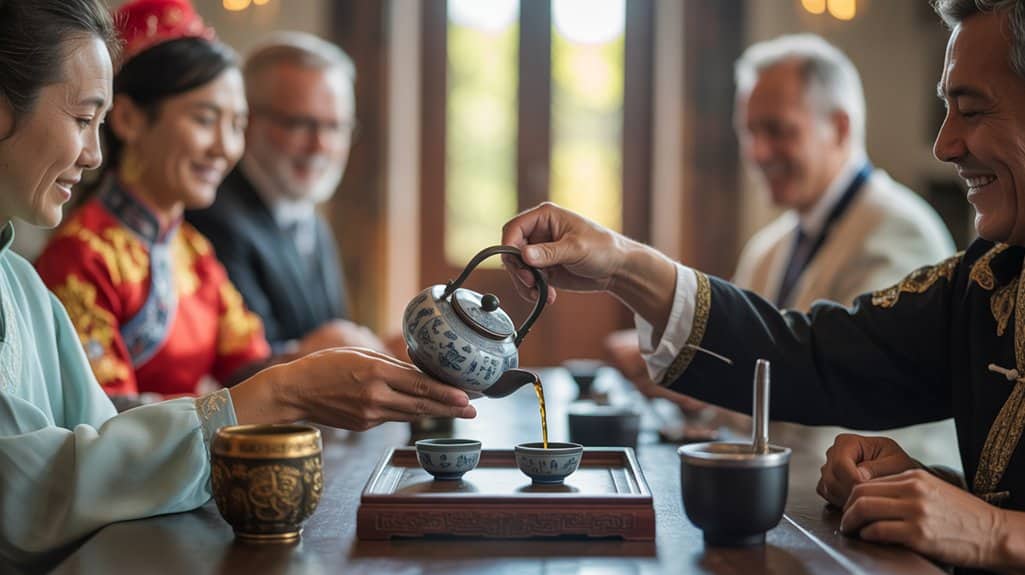
Cultural connections have quietly shaped China-Uruguay relations for decades, creating bonds that extend far beyond diplomatic meetings. The Rovetta family exemplifies this organic relationship, Vicente opened a bookstore in the 1950s that brought Chinese literature to Latin American readers. His son Pablo moved to China in 1986, where he has spent nearly four decades translating works and documenting the country’s transformation.
| Cultural Area | Activity Type | Impact |
|---|---|---|
| Literary exchanges | Book translations, publishing | Bridges language gaps |
| Arts & Media | Films, TV shows, exhibitions | Reaches wide audiences |
| Cultural festivals | Taiji competitions, language contests | Builds personal connections |
| Community events | Chinese Association gatherings | Strengthens local ties |
Literary exchanges have opened doors between the two cultures. Uruguayan readers now access Chinese authors through Spanish translations, while Chinese audiences discover Latin American perspectives through works shared by cultural ambassadors like Pablo Rovetta. Art exhibitions and film screenings introduce each country’s creative traditions to new audiences, creating appreciation that goes beyond surface-level curiosity.
Cultural festivals bring communities together through shared activities. Taiji demonstrations in Montevideo parks attract participants who learn about Chinese wellness practices, while Mandarin language competitions encourage young Uruguayans to engage with Chinese culture. The Chinese Association of Uruguay organizes regular events that maintain connections within the local Chinese community while welcoming Uruguayan neighbors. Local governments have strengthened their collaboration through close cooperation at local levels, establishing sister city relationships and exchange programs.
These personal interactions build understanding in ways that formal agreements cannot achieve. When families attend cultural events together or students practice calligraphy alongside Chinese instructors, they form memories and relationships that influence their perspectives for years to come.
References
- https://www.youtube.com/watch?v=WK_97VGF_J8
- https://un.china-mission.gov.cn/eng/zgyw/202602/t20260203_11850201.htm
- http://newyork.china-consulate.org/eng/xw/202602/t20260203_11850201.htm
- https://global.chinadaily.com.cn/a/202602/03/WS69812b8aa310d6866eb370ba.html
- https://en.mercopress.com/2026/02/03/orsi-xi-jinping-sign-cooperation-deals-in-beijing-as-uruguay-backs-one-china-and-trade-talks-with-mercosur-are-floated
- https://www.youtube.com/shorts/to_z-2nPDNE
- https://news.cgtn.com/news/2026-02-02/VHJhbnNjcmlwdDg4ODI5/index.html
- https://www.channelnewsasia.com/east-asia/china-uruguay-xi-jinping-equal-multipolar-world-us-venezuela-5902926
- https://english.news.cn/20260203/1e1124aa45b44541a2049938ae5492e3/c.html
- https://www.fmprc.gov.cn/mfa_eng/xw/zyxw/202602/t20260203_11850201.html