
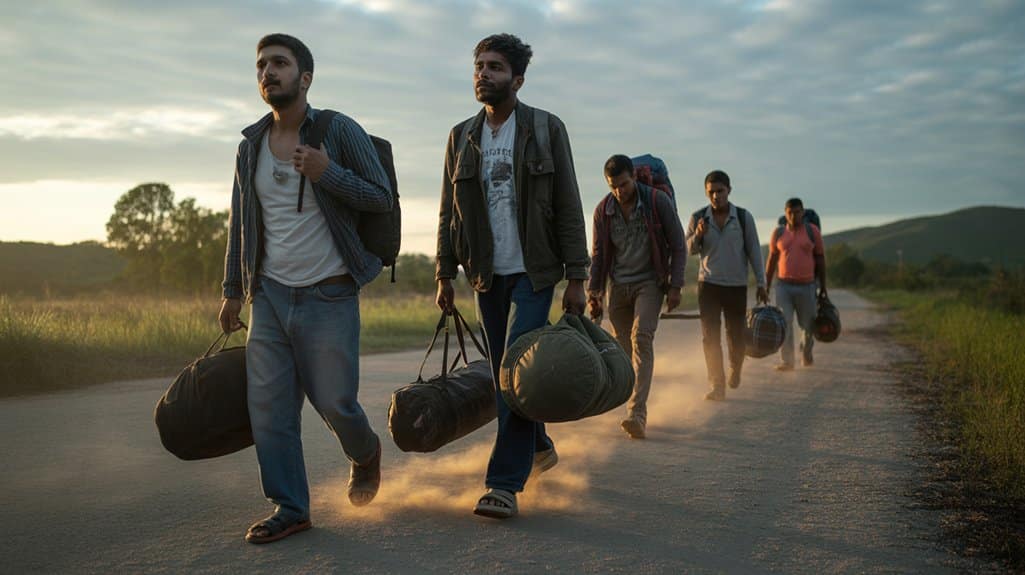
Uruguay is witnessing something remarkable. Thousands of Cubans are choosing this small South American nation as their new home, creating the largest wave of migration the country has ever seen from the island. The numbers tell a compelling story, 2,724 Cubans gained residency in 2024 alone, a jump that caught many by surprise.
What’s driving this shift comes down to Uruguay’s unique position in South America. The country offers political stability and economic opportunities that many Cubans find attractive. Unlike other destinations that require complex visa processes or dangerous journeys, Uruguay has maintained relatively open immigration policies that make legal entry more straightforward.
The choice of Uruguay over other potential destinations makes sense when you look at the practical factors. The country’s progressive social policies, including universal healthcare and education systems, appeal to families seeking long-term security. Its democratic institutions have remained stable for decades, something that carries weight for people leaving authoritarian systems.
These migrants aren’t just passing through, they’re putting down roots. Many are establishing businesses, enrolling children in schools, and contributing to local communities.
The influx represents the largest single-year increase in Cuban immigration to Uruguay on record, marking a significant demographic shift for both countries involved.
Key Takeaways
The numbers tell a remarkable story: more than 20,000 Cubans filed asylum requests in Uruguay during 2024, with another 1,700 arriving in the first weeks of 2025. This wave of migration has reshaped the country’s demographics in ways not seen for over a century.
Cubans now represent the second-largest group of foreign-born residents in Uruguay, making up roughly one-fifth of all immigrants. The government processed 2,724 Cuban residency applications in 2024 alone, a 72% jump from the previous year. These figures reflect a steady stream rather than a sudden surge, as word spreads about Uruguay’s welcoming policies.
What draws Cubans to this small South American nation? Uruguay offers something increasingly rare: predictable institutions and clear legal pathways to residency. Contrast this with the perilous journey to the United States, where 76% of Cuban asylum seekers face rejection. Many Cuban families see Uruguay as a safer bet, both for the journey itself and the likelihood of building a permanent life.
The migration has created Uruguay’s first population growth driven primarily by newcomers since 1908, when European immigrants flocked to the country. Yet this growth comes with challenges. Housing markets in Montevideo and other cities have tightened as demand outpaces supply. Job competition has intensified in certain sectors, particularly those requiring fewer formal qualifications.
Local communities are adapting to these changes at different speeds. Some neighborhoods now feature Cuban-owned businesses and restaurants, while others struggle with the pace of demographic change. The government continues processing applications while working to balance humanitarian commitments with practical capacity limits.
How Many Cubans Moved to Uruguay in 2025?
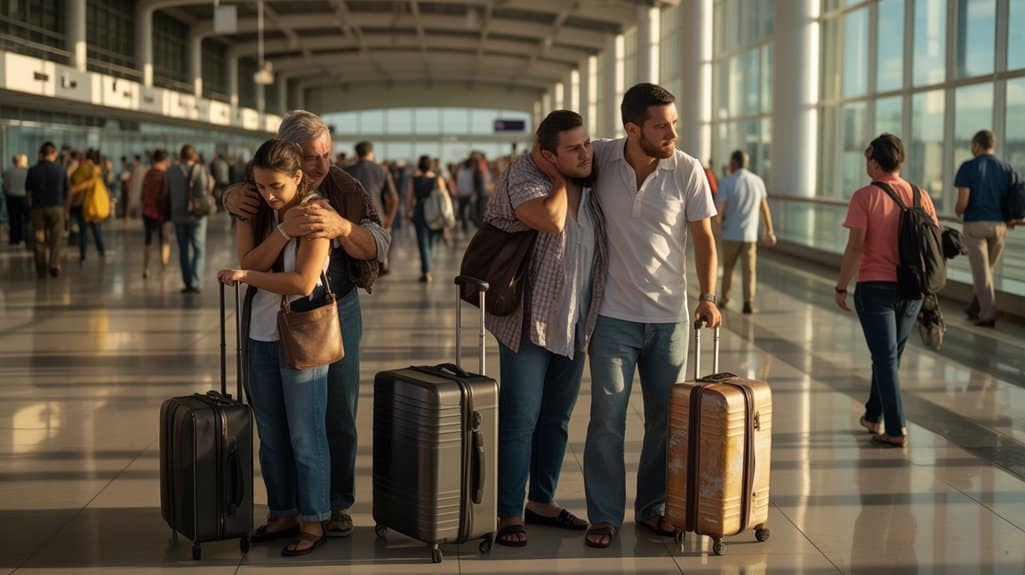
Over recent years, thousands of Cubans have established new lives in Uruguay. This migration pattern has transformed the demographic landscape of this small South American country, with 2025 data showing continued growth.
Uruguay documented 12,400 Cuban arrivals between 2012 and 2023, placing Cubans as the second-largest immigrant community nationwide. These figures reflect people pursuing fresh economic and social prospects. Official records show 2,724 Cubans received residency status in 2024, marking a 72% increase from the year before.
The asylum numbers paint an even clearer picture. More than 20,000 Cubans submitted asylum requests in 2024, while an additional 1,700 people arrived during early 2025. Census information from 2023 identified 11,862 Cuban-born individuals living permanently in Uruguay, significant considering the country’s total population of 3.4 million.
Cuban residents now make up approximately 20% of all foreign-born people calling Uruguay home. This concentration represents one of the largest proportional Cuban communities outside the Caribbean region, fundamentally reshaping Uruguay’s cultural and economic fabric. Cuban arrivals increased as U.S.-bound routes became riskier and less certain.
Why Cubans Are Choosing Uruguay Over the U.S. Route
The dramatic surge in Cuban migration to Uruguay reflects calculated choices about safety and certainty rather than simple proximity. While many Cubans traditionally headed north, growing numbers now see Uruguay’s stable institutions as the smarter path. Legal pathways offer something essential: predictability in an uncertain world.
Cuban migration patterns have shifted for concrete reasons. Uruguay granted residency to 6,608 Cubans between 2022, 2024, demonstrating a clear policy of welcoming newcomers with proper documentation. This stands in sharp contrast to U.S. asylum denial rates, which jumped to 76% by March 2025, making the American dream feel increasingly out of reach for Cuban migrants.
The journey itself has become more treacherous. The Darién Gap crossing grew more dangerous through increased enforcement and collaboration between Central American countries and the United States. This dangerous overland route through Panama’s jungle has claimed hundreds of lives, making it a gamble many Cuban families no longer want to take.
Uruguay offers a different approach through its Residency by Rooting Decree, which provides documented routes to permanent status. This policy creates a clear framework where migrants understand exactly what they need to do and how long it takes to achieve legal residency. The process involves proving ties to the country through work, family connections, or community involvement over a specific period. Between 2012 and 2023, Uruguay welcomed 12,400 Cuban arrivals, representing a 72% year-on-year increase during the recent biennium.
Freedom means choosing destinations where rules remain consistent and futures feel secure. For Cubans weighing their options, Uruguay’s transparent legal system and stable democracy provide something that dangerous border crossings and uncertain asylum processes cannot: a genuine chance to build a new life within a predictable legal framework.
Why Venezuelans Are Leaving as Cubans Arrive
Cubans view Uruguay as their promised land, but Venezuelans already settled there are packing up and moving on. This role reversal reveals how migration flows shift across South America based on each country’s unique circumstances.
Venezuela’s collapse explains why its citizens keep running. The economy has shrunk by 80% since 2014, leaving families unable to afford basic necessities. President Maduro’s government has cracked down on opposition voices, pushing political dissidents to seek safety abroad. More than 7.9 million Venezuelans have left their homeland, with most being young, educated workers who once formed the country’s professional backbone.
These migrants initially settled in nearby nations like Colombia, Peru, and Ecuador. Life proved tougher than expected. Employers often pay Venezuelan workers below-market wages, while rent and food costs continue climbing. Uruguay seemed like a better option for some, but the same economic pressures caught up with them there.
The pattern repeats itself: Venezuelans arrive with hope, struggle to make ends meet, then start researching their next destination. Some are now considering moves to Chile, Argentina, or even attempting the dangerous journey north toward the United States. Each relocation costs money they don’t have and forces them to rebuild their lives from scratch.
This constant movement creates a shadow economy of Venezuelan families who never quite establish roots anywhere. They become perpetual newcomers, always starting over in places where their degrees aren’t recognized and their accents mark them as outsiders. The professional exodus has been particularly devastating, with over 50,000 engineers and architects having departed Venezuela between 2013 and 2019, representing a critical loss of technical expertise the country desperately needs.
How Cubans Became 20% of Uruguay’s Foreign-Born Population
Since 2012, Cubans have made up one-fifth of all newcomers settling in Uruguay. This migration pattern represents about 12,400 individuals who chose this small South American nation as their new home. Their arrival helped Uruguay experience something remarkable, its first population growth from migrants since 1908.
The numbers tell the story of how Cubans put down roots in Uruguayan society. School hallways filled with Cuban children, and enrollment jumped 388% between 2018 and 2022. By 2021, over 5,100 Cubans had registered to work legally with social security, showing they weren’t just passing through but building careers.
Walk through Montevideo’s neighborhoods before COVID-19 and you’d notice something striking, one-third of delivery workers were Cuban. Community networks grew stronger too, with legal advisors helping fellow Cubans navigate their new freedom and understand the system.
These families sent their kids to local schools, found jobs, and wove themselves into Uruguay’s fabric. What started as individual decisions to leave Cuba became a collective transformation of both the migrants’ lives and their adopted country’s demographics. Many chose Uruguay over the dangerous journey to the United States, finding safety and open immigration policies that made establishing a new life more achievable.
Cuban Migration’s Impact on Schools, Housing, and Jobs
Cuban families settling in Uruguay sent shockwaves through the country’s most essential services, schools, housing, and employment, affecting citizens who had never even met a Cuban migrant.
The education system buckled under unexpected enrollment increases. Uruguay’s schools already face a persistent achievement gap between rich and poor students, with secondary school dropout rates hitting hardest among vulnerable populations. First-generation university students typically come from families where at least one parent completed high school, leaving behind those from the most disadvantaged backgrounds. When Cuban children entered classrooms that were already overcrowded and underfunded, teachers found themselves managing larger classes without additional resources.
Finding a place to live proved equally challenging for new arrivals. Many Cubans discovered their temporary residence permits had expired before they could secure permanent housing, leaving them in legal limbo. The scale of Cuba’s recent exodus, more than 4% of the island’s population has left in recent years, created unprecedented demand for rental properties and affordable housing across Uruguayan cities. Uruguay’s economy had grown 87% from 2002 to 2019, yet the housing market struggled to accommodate both local needs and the sudden influx of migrants.
The job market absorbed another wave of disruption as highly trained Cuban professionals sought work that matched their qualifications. Doctors, engineers, and educators who had fled the island’s economic collapse found themselves competing for positions in Uruguay’s small but growing economy, sometimes displacing local workers or accepting jobs below their skill level while navigating credential recognition processes.
References
- https://www.riotimesonline.com/uruguay-sees-net-venezuelan-outflow-in-2025-as-cuban-arrivals-rise/
- https://www.plenglish.com/news/2026/01/17/migration-flow-at-uruguayan-border-crossings/
- https://translatingcuba.com/brazil-and-uruguay-attract-more-cuban-migrants-every-day/
- https://www.youtube.com/watch?v=mePs_9Sx5M4
- https://www.jamaicaobserver.com/2026/01/22/cayman-islands-brace-surge-cuban-migrants/
- https://www.migrationbrief.com/p/americas-migration-brief-january-19-26
- https://www.migrationpolicy.org/article/latin-america-caribbean-new-migration-era
- https://www.straitstimes.com/world/uruguays-migrant-population-grows-for-first-time-in-a-century-driven-by-venezuelans-cubans
- https://www.hodgsonruss.com/immigration-insights/recent-u-s-immigration-updates-hot-topics
- https://en.cibercuba.com/noticias/2025-12-30-u2-e2-s27061-nid317552-emigracion-cubana-2025-redistribucion-global-exodo