

Uruguay quietly punches above its weight on the world stage. This small South American nation has gifted humanity with remarkable advancements that most individuals never realize originated there. From groundbreaking sports moments that changed football forever to surprising culinary creations now loved worldwide, Uruguay’s fingerprints appear in unexpected places. The country’s innovators have also developed cutting-edge technologies that solve real problems across multiple industries, proving that great ideas can emerge from anywhere.
Olympic Glory and World Cup Triumph in Early Football History
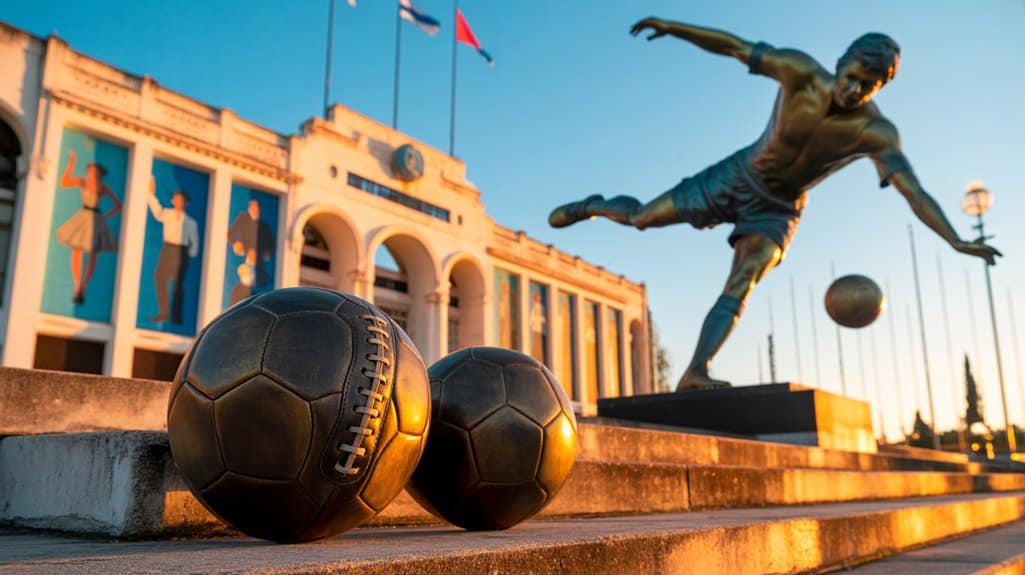
Long before football became the global phenomenon we know today, Uruguay was already making history on the world’s biggest stages. This small South American nation achieved remarkable Olympic milestones that would forever change the sport’s terrain.
In 1924, Uruguay’s national team captured the first Olympic gold medal in football at the Paris Games. Their journey included historic matches against Yugoslavia and the United States, showcasing their exceptional talent. The team’s stunning 5-1 victory over host France earned international admiration and respect.
The grand final against Switzerland resulted in a decisive 3-0 triumph, establishing the celebratory tradition of victory laps.
The Birth of Indoor Football and Futsal Development
While Uruguay was making waves on Olympic fields, another football alteration was quietly taking shape indoors. In 1930, children began playing makeshift games in gymnasiums after school hours. Juan Carlos Ciani drew goals on gym walls, sparking a movement that would reshape futsal history forever.
| Year | Development | Impact |
|---|---|---|
| 1930 | Children’s gym games | Birth of indoor football |
| 1950 | South American confederation | Official recognition |
| Modern | 5-a-side format | Global video game culture |
These indoor tournaments evolved from simple wall markings into organized competitions. The sport gained official status when the South American Indoor Football Confederation formed in 1950, establishing rules for what became modern futsal.
Revolutionary Microtonal Instruments Transforming Music Theory
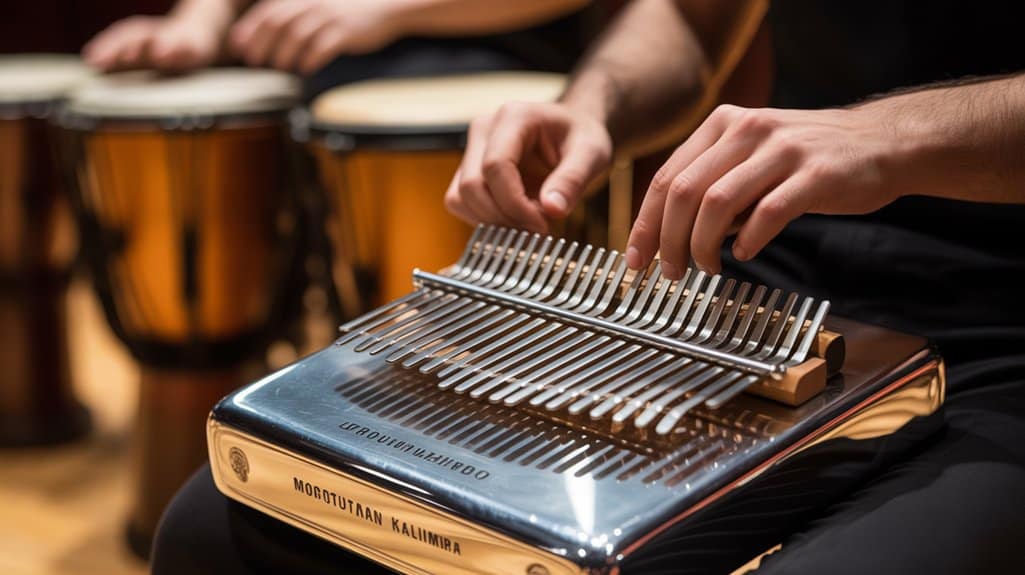
How can a single instrument change the way we think about music itself? Eduardo Sabat Garibaldi proved it’s possible when he created his pioneering microtonal instrument in 1991. His creation challenged everything musicians thought they knew about sound.
This remarkable invention features 53 frets instead of the usual 12 per octave. The advancement earned impressive recognition:
- Prince of Asturias Award in 2000
- Genius Prize in 2002
- Silver medal at Seoul Invention Fair
Garibaldi’s work opened new doors for microtonal theory and inspired innovative composers worldwide. His instrument proves that one person’s creative vision can reshape entire musical environments forever.
Culinary Masterpieces That Conquered Global Palates
Three simple ingredients can spark a culinary movement that travels across continents and captures hearts worldwide. Uruguay’s food scene proves this beautifully through remarkable dishes that started small but grew enormous.
The chivito history begins with Antonio Carbonaro in the 1940s. He created this hearty sandwich that soon won over leaders and artists alike. Carbonaro sold over 1,000 daily, showing how one person’s idea can feed thousands.
Meanwhile, the Caruso sauce emerged in 1954 when Raimondo Monti mixed cream, ham, mushrooms, and meat extract. These global adaptations spread Uruguayan flavors worldwide, proving that great food knows no borders.
The Chivito Revolution and International Gastronomic Recognition
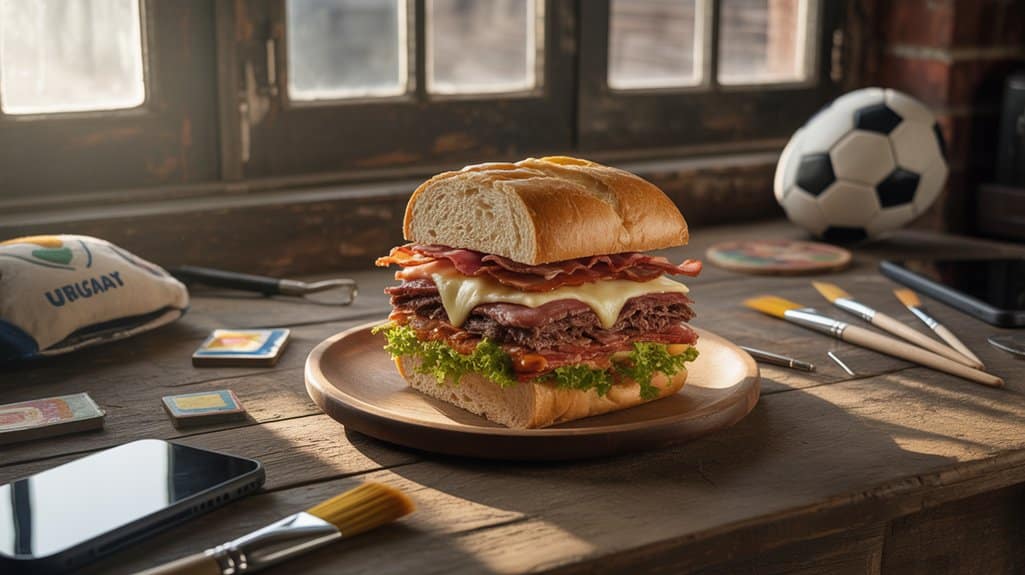
Antonio Carbonaro’s simple sandwich idea in the 1940s grew into something much bigger than anyone expected. This Uruguayan creation became a symbol of culinary freedom, breaking traditional food boundaries and winning hearts worldwide.
The chivito’s journey shows how one person’s creativity can reshape global tastes:
- Daily sales reached over 1,000 sandwiches from Carbonaro’s original restaurant
- International leaders and artists regularly enjoyed this hearty meal
- Cultural significance put Uruguay firmly on the world’s food map
Chivito history demonstrates that great ideas often start small but grow through passion and dedication. Today, this dish continues spreading its global influence across continents.
Sweet Success With World-Renowned Dessert Innovations
While Uruguay’s savory dishes captured global attention, the country’s dessert innovations quietly achieved their own remarkable success. In 1927, Orlando Castellano created the Chajá in Paysandú, a delightful treat that would eventually earn worldwide recognition. This classic dessert represents how small nations can leave big marks on dessert history through creative spirit and local pride.
Nearly a century later, Tate’s recognized Chajá as one of the top 50 global desserts in 2023. This achievement shows how authentic flavors transcend borders, proving that innovation often comes from unexpected places when passionate creators dare to experiment.
Pioneering Accessibility Through Educational Innovations
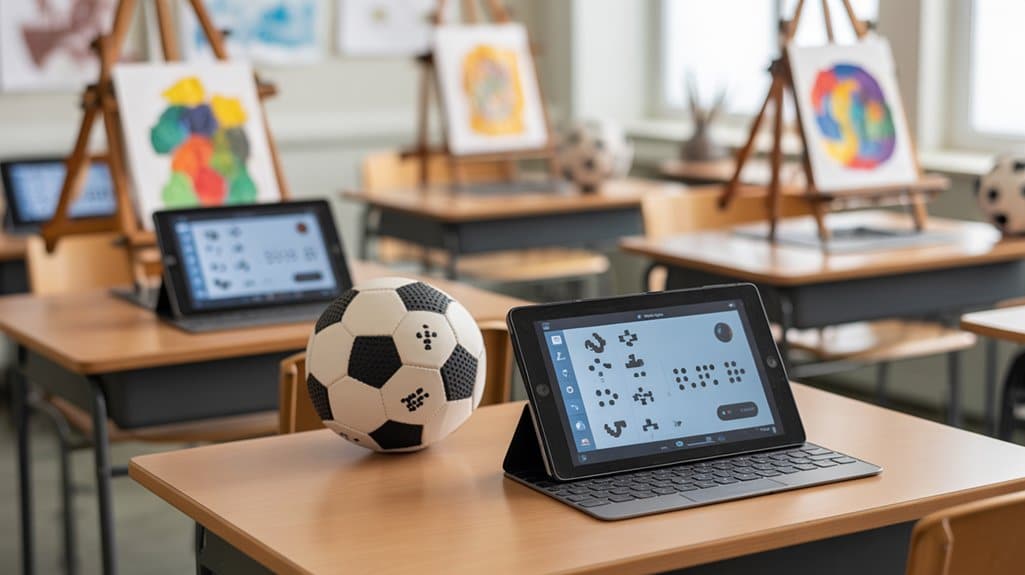
Beyond creating delicious treats, Uruguay has pioneered important ground in making education accessible to everyone. The country’s forward-thinking approach to innovative learning has opened doors for students who might otherwise be left behind.
Carmen R’s pioneering work in 1975 revolutionized educational accessibility in remarkable ways:
- Created successful Braille children’s books that made reading possible for blind students
- Developed educational toys based on her book concepts that spread worldwide
- Inspired widespread replication of her innovative learning methods across different countries
Her vision proved that simple ideas can change lives, showing how one person’s creativity can break down barriers and create new possibilities for learners everywhere.
Medical Imaging Breakthroughs and Healthcare Advances
As Uruguay continued to break new ground in education, the country’s inventors also turned their attention to solving critical problems in healthcare. Raúlbor’s innovative work in 1945 brought better medical imaging to hospitals everywhere. His breast compression technique made X-ray images much clearer and more detailed.
This simple but smart idea helped doctors see problems they might have missed before. Better images meant better care for patients. Raúlbor’s method spread to medical centers around the world. His work laid important groundwork for today’s telemedicine advancements and improved patient privacy standards in modern healthcare facilities.
Automotive Engineering Marvels and Air-Powered Transportation

Uruguay’s creative spirit moved from improving healthcare to changing how individuals get around. Regusci, a brilliant inventor, developed remarkable automotive innovations that challenged traditional thinking about transportation.
His innovative work included:
- Air powered vehicles that ran entirely on compressed air instead of gasoline
- Highly efficient engines that operated using unique friction principles
- Exposed chassis car designs with tape mechanisms that eliminated standard engines completely
These pioneering projects faced significant barriers from established industries. Like many visionary inventors, Regusci encountered financial constraints and industry secrecy that limited his recognition. His environmental sustainability focus positioned him as an alternative energy pioneer decades ahead of his time.
Glass Artistry Patents Reshaping Manufacturing Standards
Traditional glass carving methods had remained unchanged for centuries until one Uruguayan inventor decided to challenge the status quo. Alfredo Baeza saw endless possibilities where others saw perfection. In December 1999, he patented a groundbreaking approach that altered glass artistry techniques forever.
His remarkable method achieved something exceptional: finer details and deeper cuts than anyone thought possible. These engraving innovations didn’t just improve quality, they completely redefined what skilled craftspeople could create with glass.
Baeza’s patent reshaped manufacturing standards across the industry. His technique opened doors for artists worldwide, proving that sometimes the best ideas come from questioning why things have always been done a certain way.
Water Purification Systems for Global Military Applications

When soldiers face contaminated water sources in remote locations, having access to clean drinking water becomes a matter of life and death. Héctor Suichi understood this challenge when he created the UPA water purification system in 1937. His invention helped solve critical military logistics problems around the world.
The UPA system addressed major sanitation challenges that armies faced:
- Quick setup – Works fast in emergency situations
- Portable design – Easy to carry and move between camps
- Reliable results – Removes dangerous germs effectively
Several countries bought this Uruguayan invention, proving that small nations can create big solutions for global problems.
Environmental Heating Solutions and Sustainable Energy Pioneers
Clean water wasn’t the only resource challenge that caught the attention of Uruguayan inventors. The Zun heater emerged in 1963 as a advancement in sustainable heating technology. This clever device offered individuals a simple yet powerful way to stay warm without wasting energy.
The inventor faced early setbacks when copper plates caused contamination problems. But he didn’t give up. Instead, he switched to chromium-nickel materials, creating better energy efficiency. After selling his patent, he traveled to 26 countries by motorcycle, sharing his ideas worldwide.
His heating solution found success in medical and aviation fields, proving sustainable innovation knows no boundaries.
Frequently Asked Questions
What Economic Impact Did These Uruguayan Innovations Have on the Country’s GDP?
The provided knowledge doesn’t include specific GDP figures or detailed economic data about these Uruguayan innovations’ financial impact. However, these inventions likely contributed to economic diversification by expanding beyond traditional sectors like agriculture. Innovations in sports, food, medical technology, and manufacturing helped create new industries and export opportunities. While individual GDP growth percentages aren’t available, these developments strengthened Uruguay’s reputation as an innovative nation, potentially attracting foreign investment and fostering entrepreneurship across multiple sectors.
How Did Uruguay’s Small Population Size Contribute to Its Disproportionate Innovation Success?
Uruguay’s small population size created unique demographic dynamics that fostered remarkable creativity. With fewer individuals, brilliant minds could easily connect and share ideas. This tight-knit environment built strong innovative ecosystems where inventors knew each other personally. Resources concentrated on supporting fewer creators, giving them better chances to succeed. The close community encouraged risk-taking and experimentation, leading to advancements in sports, food, and technology that amazed the world.
What Government Policies Supported or Hindered These Technological and Cultural Developments?
The knowledge provided reveals mixed government support for Uruguay’s innovations. While some inventors like Eduardo Sabat Garibaldi received prestigious awards and recognition, others faced significant barriers. Many creators struggled without adequate government incentives or cultural funding. Several inventors, including the Zun heater creator, found greater success abroad where their ideas received better support. Limited financial backing and industry resistance often forced talented innovators to seek opportunities outside Uruguay’s borders.
How Do Modern Uruguayan Inventors Compare to These Historical Innovation Pioneers?
Modern inventors in Uruguay face different challenges than their historical pioneers. While past creators like Eduardo Sabat Garibaldi and the futsal inventors worked with basic tools, today’s innovators have advanced technology but struggle with funding and global competition. Historical comparisons show earlier inventors often gained international recognition more easily. Modern inventors must maneuver intricate patent systems and digital markets that didn’t exist when creative minds like Regusci developed their revolutionary designs.
What Role Did Immigration Patterns Play in Uruguay’s Diverse Innovation Landscape?
Immigration influence shaped Uruguay’s creative spirit in fascinating ways. European settlers brought fresh ideas that mixed beautifully with local culture. This cultural exchange sparked amazing inventions across many fields. Italian immigrants like Antonio Carbonaro created the beloved chivito dish. Spanish influence appears in musical innovations. Different backgrounds meeting together created a perfect recipe for new thinking. Uruguay’s open doors welcomed diverse minds that built tomorrow’s advancements.