
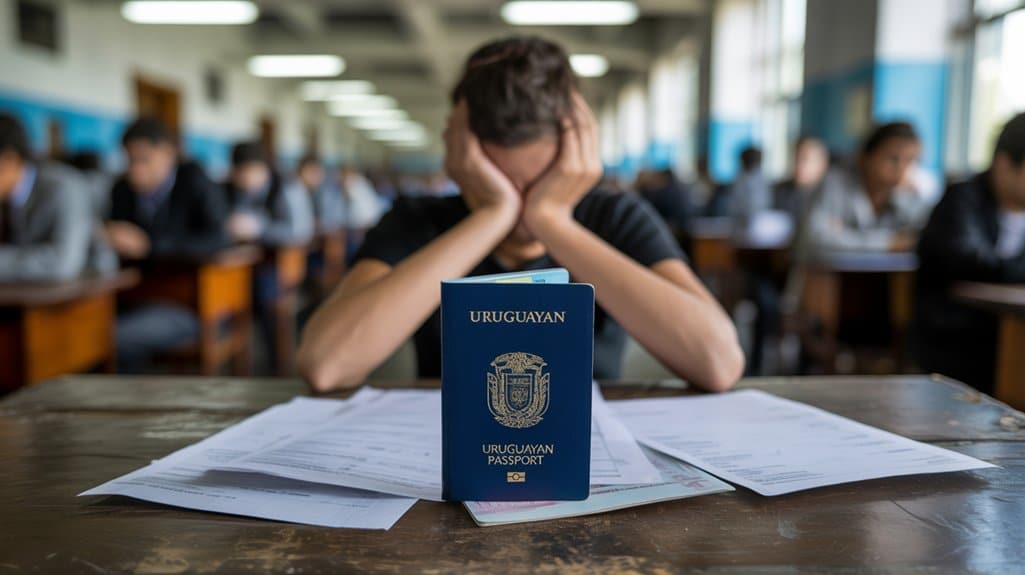
Kevin Solano had everything planned perfectly. The eager student from Uruguay secured admission to his dream university abroad. His grades were excellent, his finances prepared, and his future mapped out. Then came the crushing blow, embassy officials rejected his passport application. The reason? His new Uruguayan passport lacked a critical “place of birth” section that other countries demanded. Suddenly, Kevin joined thousands of fellow students trapped in bureaucratic limbo, their educational dreams hanging in the balance while governments debated paperwork.
Kevin Solano’s Academic Dreams Derailed by Passport Issues

When Kevin Solano received his acceptance letter to study languages and computer science at the prestigious Sorbonne in Paris, it should have been the happiest day of his life. Instead, his dreams quickly turned into a nightmare. Kevin needed a new passport from Uruguay that would recognize his citizenship. But when he got it, the French Embassy delivered crushing news. They said his new passport wasn’t recognized by European countries. Without a valid passport, Kevin couldn’t apply for his student visa. His path to higher education suddenly seemed blocked by forces beyond his control.
The New Passport Model That Sparked International Rejection
While Kevin struggled with his individual case, a much bigger problem was unfolding across Uruguay. The country had created new passports to help 16,000 individuals gain legal recognition. These passports removed the “place of birth” section. This change aimed to stop individuals from being turned away just because of where they were born.
But European countries didn’t accept these new passports. Germany’s ambassador said they weren’t valid for entry or visa requests. France felt the same way. What started as a way to include more individuals had backfired completely.
Schengen States Refuse to Recognize Updated Uruguayan Documents

Twenty-six European countries that make up the Schengen Area joined Germany and France in rejecting Uruguay’s updated passports. This widespread refusal created a puzzling situation for travelers like Kevin, who found himself caught between two worlds.
The Schengen states worried about security and couldn’t verify the new documents properly. Without clear birthplace information, border officials felt uncertain about allowing entry. Each country echoed similar concerns about the passport format.
This united rejection left thousands of Uruguayan citizens in limbo. Students planning European adventures suddenly faced closed doors. The dream of studying abroad became much harder to reach overnight.
Historical Exclusion and the Push for Citizenship Reform
For decades, Uruguay’s citizenship rules created an invisible wall that kept many legal residents on the outside looking in. These barriers affected thousands who called Uruguay home but couldn’t prove it through traditional documents.
The new passport system aimed to fix this long-standing problem by removing unfair restrictions:
- Eliminated the requirement to show birthplace on passports
- Gave 16,000 citizens proper legal recognition
- Followed international examples from South Korea and Japan
- Aligned with global passport standards from ICAO
This change represents hope for those who felt excluded, creating pathways for genuine belonging in their homeland.
Removing Birthplace Information to Combat Discrimination

Uruguay’s leaders made a bold decision to strip birthplace details from their new passports. This change aimed to protect citizens from facing unfair treatment based on where they were born. The removal creates equality among all Uruguayan citizens, regardless of their birthplace.
| Old Passport Format | New Passport Format |
|---|---|
| Shows birthplace | No birthplace listed |
| Creates bias risks | Fosters equal treatment |
| Enables discrimination | Protects citizen rights |
| Reveals personal history | Focuses on citizenship |
| Causes travel barriers | Ensures fair access |
Other nations like South Korea and Japan already use similar approaches, proving this method works well globally.
European Embassy Responses and Diplomatic Tensions
While Uruguay hoped this passport change would solve problems, European countries had different ideas. The French and German embassies quickly raised red flags about the new documents.
Kevin’s dreams felt crushed when he couldn’t get his student visa. But he wasn’t alone in facing this challenge. European officials explained their concerns clearly:
- New passports don’t meet current recognition standards
- Missing birthplace info creates verification issues
- Visa processing systems need updating for new format
- Security protocols require additional review time
Thankfully, both French and German embassies promised to work toward solutions. They understood students like Kevin shouldn’t suffer while governments figure things out.
Social Media Backlash and Rising Xenophobic Sentiment

As news about the passport issue spread online, social media platforms became battlegrounds for heated debates about immigration and national identity. Comments revealed deep concerns about who truly belongs in Uruguay. Some individuals worried that newcomers might take jobs from locals, especially during tough economic times.
The Organisation Somos Todos Uruguayos stepped in to foster unity and reject hateful language. However, surveys showed troubling numbers. About one in four Uruguayans felt immigration threatened their country’s character. When jobs became scarce, nearly half wanted local workers prioritized over foreigners. These conversations highlighted growing tensions within Uruguayan society.
Public Opinion Surveys Reveal Immigration Anxieties
How do everyday residents really feel about immigration in their country? Recent surveys reveal surprising concerns among Uruguayans about newcomers and national identity.
The numbers tell an interesting story about public sentiment:
- 25% of Uruguayans worry immigration threatens their national identity
- Nearly half favor hiring locals over foreigners during job shortages
- Employment fears drive much of the anxiety about newcomers
- Social unity remains important despite growing concerns
These findings help explain the heated reactions to the passport controversy. When individuals feel uncertain about their economic future, immigration becomes a bigger worry. The Organisation Somos Todos Uruguayos works to bring residents together and fight against harmful speech about newcomers.
Legal Challenges and Potential Government Accountability

Kevin Solano faces a tough choice after his dreams of studying in France crumbled due to passport problems. He’s now thinking about taking legal action against Uruguay’s government. This could set an important example for other individuals dealing with similar issues.
When governments make mistakes that hurt individuals’ lives, they should be held responsible. Kevin’s situation shows how policy changes can have real consequences for real families. His potential lawsuit might push officials to fix these passport problems faster.
Other affected individuals are watching closely. They want to know if their government will stand by them when things go wrong.
Uncertain Future for Uruguayan Travelers and International Students
What happens when thousands of students and travelers suddenly can’t use their passports? This exact situation faces Uruguayans holding new passports after April 2025. Students like Kevin Solano find their dreams on hold, unable to apply for visas to study abroad.
The uncertainty creates real challenges for families planning their future:
- Students miss enrollment deadlines at foreign universities
- Business travelers face canceled meetings and lost opportunities
- Families postpone vacations and visits to relatives overseas
- Young individuals delay gap year adventures and exchange programs
Until diplomatic talks resolve this issue, countless Uruguayans remain in limbo, wondering when they can travel again.
Student Rights and Remedies

Students like Kevin Solano who face educational barriers due to government passport problems have several potential remedies. They may pursue legal action against the state for failing to provide valid travel documents, seek diplomatic intervention through their embassy, or investigate alternative documentation options. Educational institutions and international organizations may also advocate on behalf of affected students to resolve these systemic issues that impact fundamental rights to education.
Can students sue their government for passport-related study abroad problems?
Yes, students can potentially file lawsuits against their government when passport issues prevent them from accessing educational opportunities abroad. Kevin Solano’s case demonstrates this possibility, as he considers legal action against the Uruguayan state. Such lawsuits typically argue that the government failed to provide proper documentation, violated citizenship rights, or caused damages through administrative negligence that prevented legitimate educational pursuits.
How do unrecognized passports affect student visa applications?
Unrecognized passports create significant barriers for student visa applications, as demonstrated by Uruguay’s new passport controversy. When Schengen states and other countries don’t recognize passport formats, embassies cannot process visa applications, effectively blocking students from studying abroad. This situation forces students to delay their education, seek alternative documentation, or pursue legal remedies while diplomatic solutions are negotiated between governments.
What should students do if their country’s new passport isn’t accepted internationally?
Students facing passport recognition issues should immediately contact their country’s foreign ministry and the destination country’s embassy. They should document all communication for potential legal action, investigate emergency travel document options, and seek support from educational institutions. Students may also benefit from joining advocacy groups, contacting media outlets, and working with organizations that support affected citizens to pressure for diplomatic solutions.
Are there emergency solutions for students with unrecognized passports?
Emergency solutions may include obtaining temporary travel documents, requesting diplomatic intervention, or securing special exemptions from destination countries. Some embassies may eventually accept new passport formats after diplomatic consultations, as suggested by French and German responses to Uruguay’s situation. Students should maintain regular contact with applicable embassies and their own government’s foreign affairs department for updates on resolution progress.
How long do passport recognition issues typically take to resolve?
Passport recognition disputes between countries can take several months to years to fully resolve, depending on diplomatic relationships and technical compliance issues. In Uruguay’s case, embassies indicated intentions to resolve the matter, but provided no specific timeline. Students should prepare for extended delays and consider alternative plans while governments work through ICAO standards, bilateral agreements, and administrative procedures.
Can international organizations help students affected by passport controversies?
International organizations, educational institutions, and student advocacy groups can provide valuable support for affected students. They may offer legal assistance, diplomatic advocacy, alternative program options, or financial support for extended waiting periods. Organizations like UNESCO or regional educational bodies sometimes intervene in cases where government actions systematically prevent access to education, though resolution depends on specific circumstances and political relationships.
What compensation might students receive for passport-related educational delays?
Students may seek compensation for various damages including lost educational opportunities, additional living expenses, application fee reimbursements, and emotional distress. Successful legal claims could result in monetary damages, expedited passport services, or alternative educational support. However, compensation varies significantly based on legal systems, the strength of individual cases, and government willingness to accept responsibility for passport-related problems.
Do students have alternatives to traditional passports for international study?
While traditional passports remain the primary international travel document, some students may examine diplomatic passports, emergency travel certificates, or special student visa categories. However, these alternatives are typically limited and may not be accepted universally. Most students ultimately need their government to resolve the underlying passport recognition issue rather than relying on alternative documentation for long-term educational purposes.
How can students prevent future passport-related study abroad problems?
Students can minimize future passport issues by staying informed about international travel document changes, maintaining updated documentation, and applying for visas well in advance. They should monitor government announcements about passport updates, verify international recognition before travel, and consider obtaining multiple forms of identification when possible. Building relationships with educational institutions and embassy contacts can also provide early warning of potential documentation problems.
International Standards Compliance Issues
Passport recognition problems often stem from countries not following the same international rules about travel documents. The International Civil Aviation Organization sets global standards for passports. However, different nations sometimes interpret these guidelines in their own ways.
| Standard Element | Uruguay’s Approach |
|---|---|
| Place of Birth Field | Removed from new passports |
| Citizenship Indication | Clear marking maintained |
| Security Features | Meets ICAO requirements |
When countries like Germany and France questioned Uruguay’s new passport format, it created confusion for travelers. These disagreements happen because passport rules can be intricate. Each nation wants to protect its borders while still allowing legitimate travel. Finding common ground takes time and patience from all sides involved.