
Uruguay is experiencing its most brutal winter weather in over five decades. Temperatures have crashed to bone-chilling lows that haven’t been seen since 1967. The capital city of Montevideo shivered through a shocking 5.8°C, while other areas dropped even further below freezing. This isn’t just cold weather—it’s a historic freeze that has the government scrambling to help residents stay safe and warm.
Historic Freeze Breaks 50-Year Temperature Records
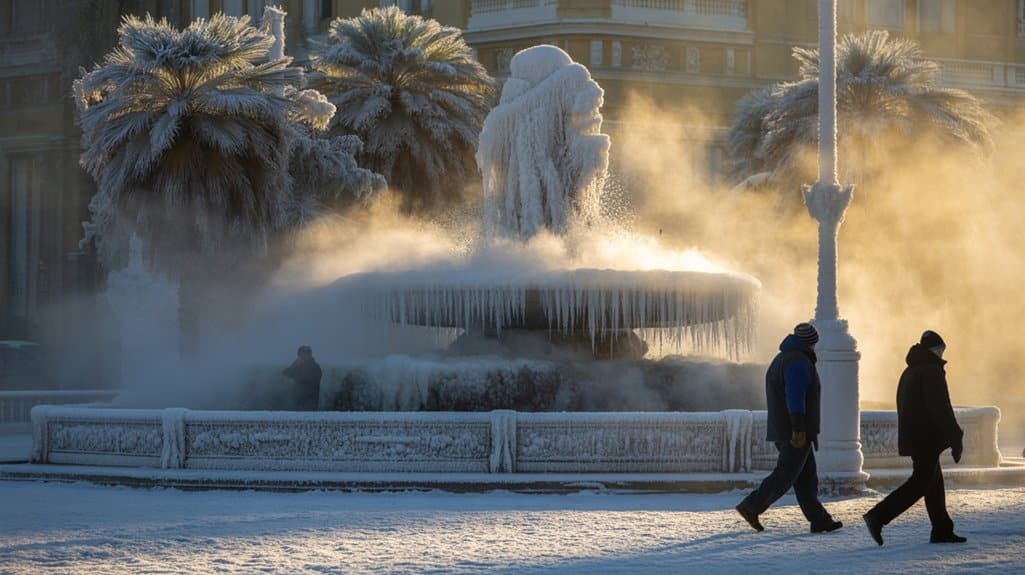
A bone-chilling freeze has swept across Uruguay, bringing the country’s coldest weather in more than 50 years. This historic cold snap has gripped the entire nation, creating conditions that haven’t been seen since 1967. For folks who value their freedom to enjoy the outdoors, this weather presents quite a challenge.
The numbers tell an incredible story. Maximum temperatures across Uruguay have stayed below 10°C, which is unusually frigid for this South American nation. In Montevideo, the Prado weather station recorded just 5.8°C at 2 p.m. on one of the coldest days. That’s jacket weather even in the middle of the afternoon.
Some areas experienced even more extreme conditions. Mercedes saw morning temperatures plunge to -5°C, creating frost that painted the scenery white. Minimum temperatures dropped to -3°C in various regions, making this week truly memorable for all the wrong reasons.
Meteorologist Mario Bidegain confirmed what many residents already suspected – they’re experiencing record-breaking cold. The prolonged nature of this freeze makes it particularly noteworthy. It’s not just one cold day, but an extended period of unusual weather.
Adding to the drama, Montevideo witnessed something called graupel – essentially soft hail formed by freezing water droplets. This rare weather event made the cold snap even more remarkable for local observers.
Government officials haven’t ignored the situation. The Ministry of the Interior has taken action to help vulnerable populations. Police officer Carlos Negro mentioned deployment efforts focused on evacuations and community safety. When authorities step in like this, you know the weather means business.
However, relief appears on the horizon. Weather experts predict the cold spell will begin weakening after Wednesday. Temperatures should gradually climb back to more comfortable levels. By the weekend, highs of 16 to 17°C are expected – a welcome change for everyone.
Looking ahead, meteorologists suggest this might be a shorter winter overall. Spring conditions could arrive early in August, offering hope to those tired of bundling up. Until then, Uruguayans continue adapting to this historic freeze with characteristic resilience.
Temperature Records and Safety
Uruguay experienced extreme temperatures with minimum readings dropping to -3°C across the country. Mercedes recorded particularly harsh conditions with early morning temperatures reaching -5°C. Maximum temperatures barely reached 10°C during the day, while Montevideo’s Prado station recorded 5.8°C at 2 p.m., demonstrating the severity of this unprecedented cold spell that affected the entire nation.
Is this the coldest weather Uruguay has experienced in recent history?
Yes, this represents the coldest week in Uruguay since 1967, marking a significant climatic milestone. Meteorologist Mario Bidegain confirmed that the country recorded historic low maximum temperatures, particularly on Monday. The sustained cold conditions with average maximum temperatures nationwide staying under 10°C make this an exceptionally rare weather event for Uruguay.
What unusual weather phenomena occurred during the cold snap?
Montevideo experienced graupel, a form of precipitation often called “soft hail” that consists of freezing droplets. This unusual winter weather pattern accompanied the extreme cold temperatures, creating significant meteorological events beyond just the temperature drops. These phenomena added to the severity and uniqueness of the cold spell affecting the region.
How long is the cold weather expected to last?
The cold spell is expected to decline after Wednesday, with gradual temperature increases forecasted. Meteorologists predict temperatures will ascend to highs of 16 to 17°C by the weekend. However, there may be potential weather deterioration between Monday and Tuesday of the following week, though conditions should generally improve after the midweek period.
What safety measures has the Uruguayan government implemented?
The Ministry of the Interior has taken action regarding cold spell impacts, with Carlos Negro announcing police deployment for potential evacuations. The government has implemented emergency response strategies focusing on community safety and precautionary protocols. Special attention is being given to assisting vulnerable populations during the extreme weather conditions to ensure public safety.
When will normal temperatures return to Uruguay?
Weather forecasters predict a gradual return to normal temperatures starting Wednesday, with significant improvement expected by the weekend when highs could reach 16-17°C. Additionally, meteorologists are predicting a shorter winter overall, with early arrival of spring conditions potentially beginning in August, offering hope for warmer weather in the coming weeks.
Which areas of Uruguay were most affected by the extreme cold?
The cold spell affected the entire country, though Mercedes experienced some of the most extreme conditions with temperatures dropping to -5°C in early morning hours. Montevideo also faced significant cold, with the Prado station recording notably low temperatures. The widespread nature of this weather event meant that average maximum temperatures remained under 10°C nationwide.
How does this cold snap compare to typical Uruguay winter weather?
This cold snap represents highly unusual winter conditions for Uruguay, with temperatures significantly below normal ranges. The sustained period of maximum temperatures under 10°C and minimums reaching -3°C to -5°C is exceptionally rare. The fact that it marks the coldest week since 1967 demonstrates just how atypical these conditions are for the country’s usual climate patterns.
What precautions should individuals take during extreme cold weather?
During such extreme cold conditions, authorities recommend following government safety protocols and being prepared for potential evacuations if necessary. Individuals should take extra precautions to stay warm, particularly vulnerable populations who may need additional assistance. The unusual weather phenomena like graupel also require careful attention when traveling or spending time outdoors during these unprecedented conditions.
Will there be more extreme cold weather this winter season?
While there may be some weather deterioration between Monday and Tuesday of next week, the overall forecast suggests this extreme cold snap is temporary. Meteorologists predict a shorter winter season with early spring conditions possibly arriving in August. However, weather patterns remain subject to change, and residents should stay informed about ongoing forecasts and potential temperature fluctuations.
Spring’s Early August Arrival
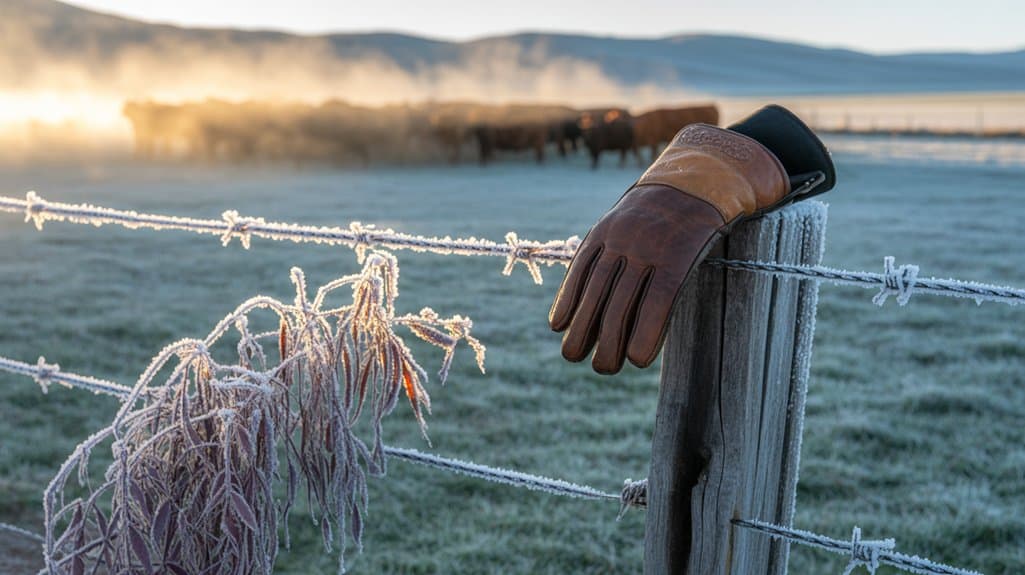
While this harsh winter grips the country, meteorologists bring surprisingly good news about what lies ahead. Spring plans to arrive early this year, showing up in August instead of its usual September debut.
Weather experts predict this winter will be shorter than normal. After Wednesday, temperatures will slowly climb back up. By weekend, individuals can expect much warmer days around 16 to 17°C.
This early spring arrival offers hope during these record-breaking cold days. Uruguayans won’t have to wait long for relief. Nature seems ready to give everyone a break from this historic freeze.


