
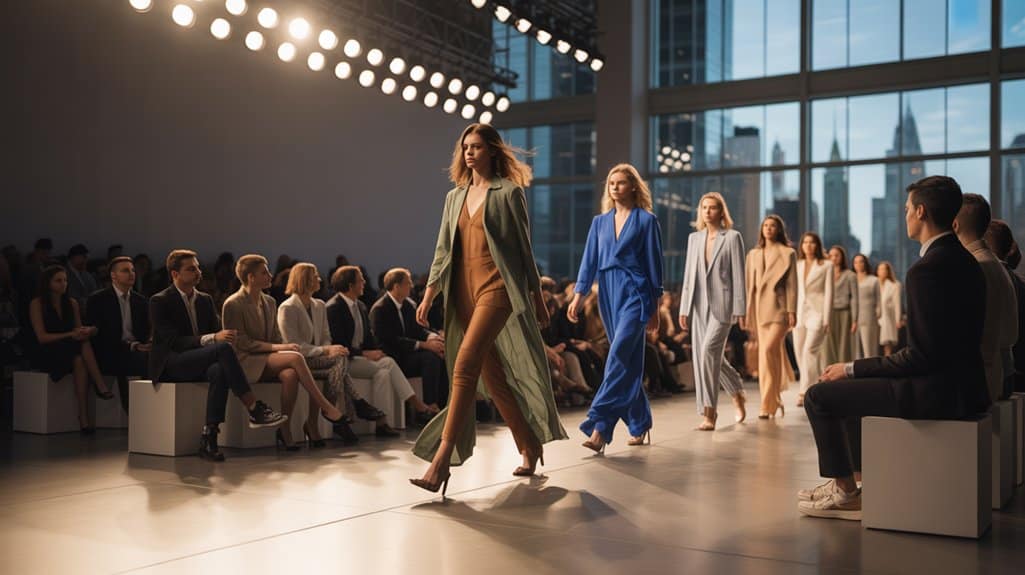
Uruguay’s making its mark on the international fashion scene. Eight independent brands are taking their handmade pieces to New York’s Brand Assembly this February, showcasing designs that blend the country’s textile traditions with modern craftsmanship.
The brands represent Uruguay’s approach to garment production , careful attention to detail rather than high-volume manufacturing. Each piece carries the mark of skilled artisans who’ve learned techniques passed down through generations.
Uruguay’s textile industry has deep roots, dating back to the early 1900s when the country became a wool exporter, building expertise that still influences today’s designers.
These garments stand apart from typical retail offerings. Where most clothing comes from automated production lines, these pieces involve hand-finishing, natural materials, and small-batch production runs.
The designers focus on durability and timeless styles rather than seasonal trends that quickly become outdated.
The challenge lies in market positioning. Fast fashion dominates global retail, with consumers accustomed to low prices and constant variety. Uruguay’s brands must convince buyers that quality construction and sustainable practices justify higher price points.
Early indicators suggest growing consumer interest in ethical fashion, with surveys showing increasing willingness to pay more for responsibly-made clothing.
Brand Assembly provides the perfect testing ground. The New York trade show connects emerging designers with buyers, press, and industry professionals who understand craftsmanship value.
Uruguay’s participation signals the country’s confidence in its fashion sector and commitment to building international recognition for its textile expertise.
Key Takeaways
Eight Uruguayan fashion brands will make their debut at Brand Assembly 2026 in New York. The event runs February 22-24 at the Starrett-Lehigh Building, bringing together designers who prioritize quality over quantity in their production methods.
These brands build on Uruguay’s deep-rooted connection to wool production, which dates back generations when the country became a major supplier of high-quality fleece to global markets. Today’s designers blend this heritage with modern sustainable practices, creating pieces through traditional artisan techniques that take time but produce lasting results.
The showcased brands, Babilia, Coppelia, Savia, Loria Studio, Mandinga, and Margo Baridon, each bring distinct handcrafted products that reflect their commitment to thoughtful manufacturing. Their approach contrasts sharply with fast fashion’s rapid production cycles, instead focusing on creating fewer pieces with greater attention to detail and longevity.
Uruguay XXI, the country’s export promotion agency, has backed this collective effort since 2015. Their support has helped these brands understand U.S. market dynamics and regulatory requirements, contributing to Uruguay’s fashion export earnings of $30 million annually. This guidance proves especially valuable for smaller brands navigating complex international trade relationships.
Brand Assembly serves as a crucial platform connecting independent designers with more than 2,000 boutiques across North America. The event attracts retailers specifically seeking alternatives to mass-produced clothing, with 60% of participating brands emphasizing sustainable production methods and handcrafted quality that appeals to conscious consumers.
Uruguay Collective Brings Eight Brands to Brand Assembly 2026
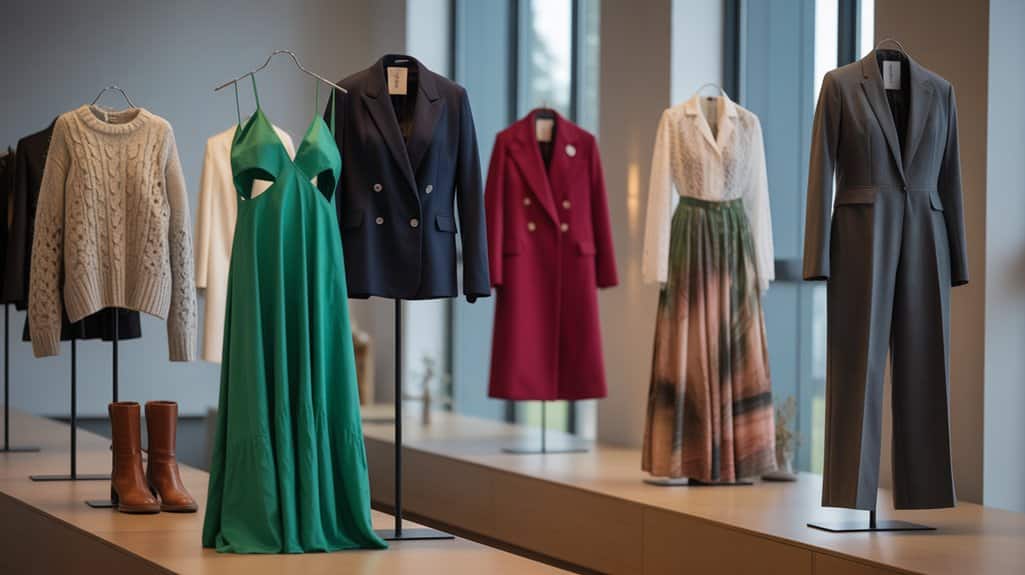
Eight Uruguayan fashion brands are making their debut in New York this February. The Uruguay Collective presents these designers at Brand Assembly 2026, running February 22-24 at the Starrett-Lehigh Building in Manhattan.
Uruguay’s textile industry has deep roots dating back to the 19th century, when sheep farming made the country a major wool producer. These contemporary designers build on that heritage while embracing modern sustainable practices. They prioritize careful construction over rapid manufacturing cycles that dominate much of today’s fashion landscape.
The participating brands share a commitment to what’s known as slow fashion – an approach that emphasizes durability and timeless design. Rather than churning out dozens of collections yearly, these creators typically release two to four carefully planned lines. This method allows them to source materials responsibly and maintain higher quality standards.
Brand Assembly provides a platform for designer collaborations between the Uruguayan creators and American retailers. The event attracts buyers specifically seeking alternatives to mass-market clothing, making it an ideal venue for brands that can’t compete on price but excel in craftsmanship. Previous participants have secured distribution deals with boutiques and department stores seeking unique inventory.
The timing aligns with shifting market trends toward conscious consumption. Recent industry reports show growing consumer interest in knowing where their clothes come from and how they’re made. Uruguayan brands can offer transparency that larger manufacturers often can’t match – many know their fabric suppliers personally and can trace materials back to specific farms.
Manhattan’s fashion district represents a crucial testing ground for international brands. Success here often translates to broader North American market access, something these eight Uruguayan companies hope to achieve through their Brand Assembly participation.
Why Brand Assembly Fits Uruguay Collective’s Fashion Goals
Brand Assembly connects Uruguay Collective with the exact buyer network they’re targeting. The platform specializes in linking independent fashion designers with boutique retailers who seek out handcrafted pieces and original designs. These aren’t mass-market buyers looking for quick turnover, they’re shop owners who take time to learn about each brand’s background and production methods.
Uruguay’s textile artisans have spent generations perfecting techniques like hand-weaving merino wool and creating natural dyes from local plants. Brand Assembly’s retail network actively searches for these authentic stories and traditional skills. The platform’s buyer database includes over 2,000 boutiques across North America and Europe, with 60% specifically focused on sustainable and artisan-made goods according to their 2023 member survey.
This targeted approach saves Uruguayan brands from casting wide nets at general trade shows where their craftsmanship often gets lost among mass-produced items. Brand Assembly’s pre-screened retailer list means every meeting has real potential, since buyers attend specifically to source unique, quality pieces that align with Uruguay Collective’s offerings. The event brings together 250+ contemporary brands with retail buyers in environments designed to facilitate efficient business connections.
Curated Buyer Access Network
Several key factors make this platform an ideal match for promoting Uruguay’s fashion scene to the right audience.
Brand Assembly’s interactive directory connects designers directly with retailers and brand enthusiasts. Buyers can browse details, send emails, and save favorites all in one place. This straightforward approach helps emerging labels stand out without getting lost in overcrowded markets.
The seasonal showcases function as regular checkpoints where industry professionals assess new developments. Retailers discover fresh brands while designers build relationships with potential buyers. Uruguay’s fashion community thrives in this selective environment where craftsmanship takes precedence over mass production.
Both new and established brands can apply to participate in showcases. The platform creates retail concepts for boutiques and festivals, building a comprehensive network that generates genuine opportunities for international visibility and meaningful business relationships. The platform also provides educational materials and workshops that help designers refine their skills and stay current with industry trends.
Craftsmanship Meets Boutique Retailers
How does a collection of carefully made garments find the right homes? Brand Assembly’s boutique format creates ideal conditions for Uruguay’s artisan-focused brands. The fair draws specialized buyers who prioritize authentic craftsmanship over mass production, precisely the audience these eight labels need.
Enormous trade shows tend to bury artisan techniques under the sheer volume of exhibitors. Brand Assembly’s curated environment allows retailers to examine quality up close instead. Buyers can feel hand-embroidered details, assess skilled leatherwork, and learn the story behind each piece. This direct contact proves essential when boutique shops seek distinctive inventory that separates them from mainstream offerings.
The showroom setting enables real conversations about production methods, material sourcing, and workplace practices. Brands operating at human scale, with monthly outputs around 500 garments, must connect with appropriate retail partners rather than simply any available partners. Uruguay XXI’s strategic support has facilitated access to similar curated trade shows since 2015, building the foundation for these targeted retail relationships. This selective approach shapes their long-term viability in competitive markets.
Meet the Brands: From Babilia to Savia
Each label brings its own specialty while building on shared foundations. Babilia focuses on community-centered leatherwork, while Coppelia creates bright, graphic prints that stand out in any wardrobe. These brands demonstrate how local artisans can blend traditional techniques with contemporary design approaches.
The result captures Uruguay’s current fashion landscape, one built on quality materials sourced locally, craftspeople who’ve honed their skills over years, and production methods that prioritize care over speed. This approach reflects the country’s broader cultural values, where taking time to do something well matters more than rushing to market. Savia emphasizes hand-knitted crochet and embroidery in its designs, highlighting the detailed craftsmanship central to the collection.
Spotlight on Featured Labels
Creativity takes many forms when fashion meets purpose. Uruguay’s delegation brings labels that honor tradition while embracing fresh ideas. Babilia leads with sustainable practices, working alongside women throughout the country. Their artisanal collaborations convert locally sourced materials into meaningful pieces. Leather anchors their collections, connecting modern design to cultural roots.
Coppelia takes a different approach, splashing bold color across every garment. Their proprietary prints get developed and made locally, creating instantly recognizable looks. Each design celebrates personal style in daily life.
Loria Studio crafts leather accessories that move seamlessly from morning meetings to evening gatherings. This mother-daughter venture balances timeless appeal with real-world function, something you can see in their practical yet elegant pieces.
Mandinga challenges expected fashion rules with confident, unconventional pieces that stand out from typical offerings. Margo Baridon goes another route entirely, offering refined silhouettes built to last beyond fleeting trends. The brand emphasizes organic cotton and linen as core materials in their production process.
Craftsmanship and Sustainability Focus
Talking about quality means little when skilled artisans in Uruguay actually deliver it. Labels like Babilia and Savia center their collections around traditional techniques that demand time and expertise. Hand embroidery, intricate crochet work, and detailed leathercraft shape each garment.
The farra’s preorder system tackles waste at its source. Customers order before production begins, which means brands only make what people actually want to buy. Each participating brand caps production at 500 pieces per month, keeping all work within Uruguay’s borders where every step can be tracked.
Local wool sourcing strengthens this approach. Uruguay’s sheep farming tradition provides high-quality materials without long shipping distances or unclear supply chains. The country’s textile heritage runs deep – these aren’t new practices dressed up as innovation.
Small batch production paired with time-honored methods creates garments designed to last years, not seasons. Artisans working at sustainable paces produce pieces that justify their cost through durability and craftsmanship. This model breaks the cycle where cheap clothes quickly become expensive waste. Uruguay XXI supports these brands in reaching international buyers and expanding their market presence.
Craftsmanship and Small-Batch Ethics Across Uruguay Collective
Uruguay’s fashion collective combines skilled handwork with genuine care for both makers and the environment. These creators preserve artisan techniques that families have practiced for decades while building sustainable businesses that support rural communities.
Rural craftswomen have worked with Merino wool since 1968, transforming raw fiber into luxury garments through time-tested processes. They dye small 3-kilogram batches over open fires, knit each piece by hand using traditional needles, then add detailed embroidery one stitch at a time.
| Production Aspect | Traditional Method | Community Impact |
|---|---|---|
| Dyeing | 3kg batches in kettles | Reduces material waste |
| Creation | Hand knitting, embroidery | Provides fair wages, home-based work |
| Quality | Five specialized workshops | Supports 30+ local ateliers |
| Scale | 300-500 pieces monthly | Avoids excess inventory |
Twelve women-led cooperatives form the backbone of this network. Each cooperative pays artisans before work begins and sets realistic deadlines that respect family schedules. This structure means skilled craftswomen can earn steady income without moving away from their communities or disrupting their households.
The deliberate small-scale approach serves multiple purposes. Limited monthly production of 300-500 pieces prevents waste while maintaining the careful attention each garment requires. Quality stays high because five specialized workshops oversee different stages of production, and the slower pace allows artisans to perfect techniques that machines cannot replicate. Many manufacturers support efficient lead times through batch-based delivery systems that align with artisan workflows.
How Uruguay Collective Performed at Brand Assembly 2025
Six Uruguayan fashion brands made their way to New York in February 2025, where Brand Assembly provided the perfect venue to showcase their work to international buyers looking for fresh, ethically-made alternatives. Working together as a collective gave these smaller labels the chance to stand toe-to-toe with bigger, more established companies.
Their approach paid off in several key ways:
Shared booth space – By pooling resources, the brands cut costs while creating a stronger visual impact that drew more attention from potential buyers.
Focus on environmental responsibility – Their commitment to eco-friendly production methods matched exactly what today’s fashion market is demanding.
Production philosophy – Buyers responded enthusiastically to their small-batch manufacturing approach, which emphasizes quality over quantity.
Market access – Participating in this major New York trade show opened direct pathways to crucial U.S. retail partnerships that would have been difficult to secure individually.
This collaborative effort proved that independent designers can create substantial impact when they work together rather than compete against each other. The group’s strong performance at Brand Assembly has elevated Uruguay’s profile in global fashion markets, establishing the country as an emerging source for thoughtfully-made clothing. The event ran from February 17 to 19, giving the brands three full days to connect with buyers and industry professionals.
Uruguay XXI’s Role in U.S. Market Access
Behind every successful trade show appearance lies months of careful planning and institutional support. Uruguay XXI has worked with fashion businesses since 2015, guiding them through the competitive American marketplace. The agency offers practical advice on U.S. market trends and brand positioning, making sure designers understand what American buyers are looking for.
The support extends well beyond consultation. Uruguay XXI sets up meetings with buyers, runs training workshops on logistics and payments, and brings American agents directly to Uruguay. They assist companies in adapting their collections for U.S. customer preferences while handling the complex export documentation process. The Chamber of Design of Uruguay collaborated with Uruguay XXI to organize the commercial visit.
This comprehensive approach has delivered measurable results. Fashion exports reached 30 million dollars in 2024, demonstrating how targeted institutional support enables small businesses to compete in global markets. The agency’s assistance addresses real barriers that would otherwise prevent Uruguayan fashion companies from accessing American retail networks.
Why New York Opens Doors for Uruguay Fashion Exports
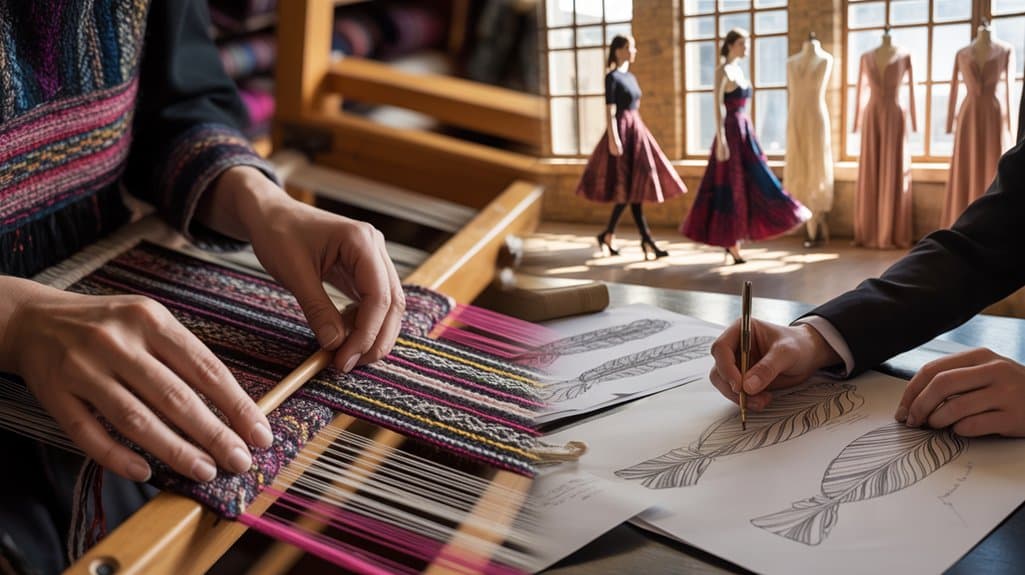
When a fashion brand walks into Brand Assembly in New York, it enters a room filled with over 1,000 international buyers actively searching for their next collection. This gathering creates direct access to the demanding U.S. market, where fashion trends shift quickly and market knowledge matters deeply.
New York opens specific doors for Uruguayan fashion exports. The city’s fashion weeks connect brands directly with buyers from the United States, Canada, and Europe who control significant purchasing budgets. Designers receive immediate feedback on their collections, learning which pieces buyers consider commercially viable and which need adjustment before production.
The February and September shows provide sustained market presence through multiple annual editions. Uruguayan brands can build relationships over time rather than relying on single trade missions or one-off presentations. This consistency helps establish trust with international buyers who need reliable suppliers.
Brand Assembly specifically benefits Uruguay’s fashion sector because many Uruguayan designers prioritize sustainable production methods and creative freedom – qualities that resonate with buyers seeking alternatives to fast fashion. Uruguay XXI’s support helped six national brands prepare for market entry and connect with potential buyers. These events convert initial meetings into actual purchase orders and long-term business relationships, giving Uruguayan fashion brands concrete pathways into North American and European markets.
References
- https://www.uruguayxxi.gub.uy/en/news/article/unmistakably-ours-uruguay-s-design-point-of-view-lands-at-brand-assembly-new-york/
- https://www.uruguayxxi.gub.uy/en/news/article/uruguay-returns-to-brand-assembly-strengthening-its-long-term-presence-in-the-u-s-market/
- https://www.uruguayxxi.gub.uy/en/events/article/327/
- https://www.assemblynewyork.com
- https://www.brandassembly.com
- https://www.uruguayxxi.gub.uy/en/information-center/article/uruguay-collective-at-brand-assembly-february-2026/
- https://www.uruguayxxi.gub.uy/en/information-center/promotional-material/catalogues/fashion-1/
- https://www.fibre2fashion.com/trade-fairs/brand-assembly-show-new-york-2026-65738
- https://moddity.com/articles/52-brand-assembly
- https://10times.com/e12d-p3zk-3ggf-0