

Report by a convict: I’ve walked through hell and somehow found my way back. Six years old on the streets, twelve with a weapon in my hands, and eight years bouncing between prison walls. You might think that’s where my story ends, but it’s actually where everything began to change. What happens when someone who’s lost everything discovers there’s still something worth fighting for? Let me show you how the darkest places can become the birthplace of hope.
The Streets Became Home at Six Years Old
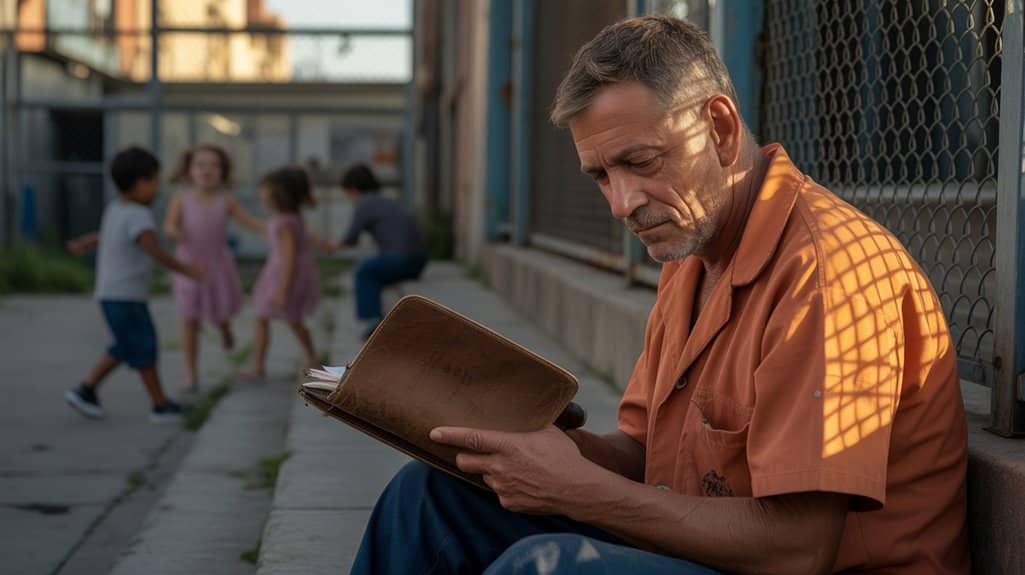
When most kids were learning to tie their shoes, this young boy was learning to survive on concrete and asphalt. At six years old, the streets became my home. While other children played with toys, I searched for food and shelter.
My father had left us. My mother struggled to raise ten children alone. The weight of survival fell on small shoulders that weren’t ready to carry it.
Those early days taught me harsh lessons about life. Every day meant finding ways to eat and stay safe. The streets don’t care about age or dreams.
From Petty Theft to Armed Robbery by Twelve
Survival on the streets taught me that hunger doesn’t wait for permission. At first, I’d steal small things, alfajores from corner shops, anything to fill my empty stomach. But stealing snacks wasn’t enough anymore. The hunger grew bigger than my fear.
Eight Years Behind Bars Across Six Different Prisons
At eighteen, I walked through those prison gates feeling like my stomach had dropped to my feet. Eight long years stretched ahead of me across six different facilities, Concar, Penal, Canelone, Piedra, Los Indios, and Punta de Rieles.
Each place had its own dangers. Fights broke out over simple things like salt. You learned fast that showing weakness meant becoming a target. I faced knife-wielding inmates and constant tension that made every day feel like walking on a tightrope.
Prison was a ticking time bomb. Young, angry individuals mixed with older, hardened criminals created an explosive atmosphere where survival meant staying tough.
Fighting for Survival in a Violent Prison Culture
Because respect meant everything behind those walls, I had to learn the unwritten rules fast. Prison wasn’t just about serving time, it was about surviving each day. Fighting became normal. If someone challenged you, backing down wasn’t an option.
I learned to “renew my ID card”, that’s what we called proving yourself through violence. Sounds crazy, right? But that’s how you stayed alive. Everyone watched how you handled conflict. Show weakness once, and you’d become a target forever.
Makeshift weapons came from anything, iron bars, whatever we could find. It was a brutal world where aggression kept you breathing.
The Art of “Renewing Your ID Card” to Maintain Respect
How do you earn respect when your life depends on it? “Renewing your ID card” wasn’t some official process, it was prison slang for proving you wouldn’t be pushed around.
When someone tested you, you had to respond. Fast. Hard. It didn’t matter if you were tired or scared. Backing down meant becoming a target for everyone else.
I learned this the brutal way. Every fight renewed my status. It told other inmates I wouldn’t roll over. This wasn’t about being tough, it was about survival.
The system forced us into this cycle of violence just to stay alive.
Family Separation and the Weight of Abandonment
While prison walls trapped my body, the deepest wounds came from feeling cut off from family. My siblings and I got separated during childhood. That hurt more than any fight behind bars.
When you’re six years old living on streets, abandonment feels like your fault. You wonder if you’re worth loving. Prison made those feelings worse.
Only my mother visited me during those eight years. I could see the pain in her eyes. Sometimes I’d skip visits to protect her from worry. But families suffer alongside inmates.
That separation taught me something powerful: we all need connection to heal.
Prison Visits That Broke a Mother’s Heart
Every time my mother walked through those prison doors, I watched her heart break a little more. She tried hiding her pain, but I saw it. Her visits became my lifeline and my deepest regret.
Here’s what those visits taught me about love:
- Unconditional support – She never stopped believing in me
- Silent suffering – Families carry the weight of our choices
- Hope’s power – Her faith kept me alive during dark moments
- Action’s consequences – My decisions didn’t just hurt me
I eventually asked her to stop visiting. Watching her suffer wasn’t worth my comfort.
The 70% Recidivism Rate That Haunts the System
The statistics hit like a punch to the gut. Seven out of ten former prisoners return to jail within years of release. That means most individuals who get out end up back behind bars.
Why does this happen? The system isn’t built for success. When you leave prison, finding work feels impossible. Landlords won’t rent to you. Society treats you like you can’t change.
Many face hunger and homelessness right after release. The transition from controlled prison life to sudden freedom overwhelms individuals. Without support, tools, or guidance, returning to old patterns becomes the only option that makes sense.
Facing Employment Rejection and Housing Struggles
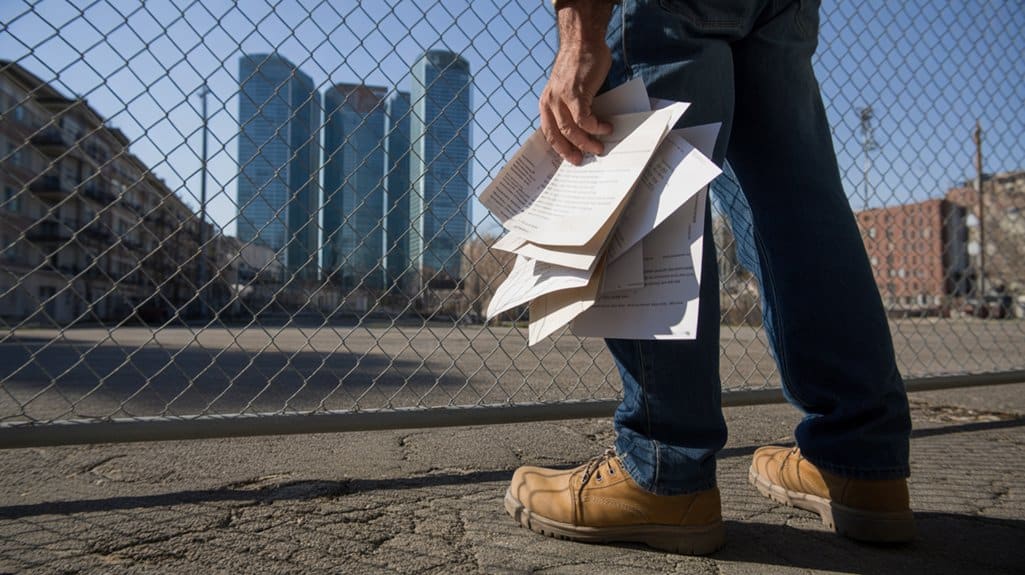
Rejection letters pile up on kitchen tables across the country. When you’ve served time, finding work becomes an uphill battle. Employers see your record and doors slam shut. I know this struggle firsthand.
The harsh reality hits you fast:
- Background checks eliminate you before interviews
- Housing applications get denied repeatedly
- Family couches become temporary homes
- Daily survival takes priority over long-term goals
You’re fighting prejudice at every turn. Society demands you change, but won’t give you the chance. Finding stable shelter becomes nearly impossible when landlords won’t rent to ex-inmates. Without family support, homelessness awaits.
Finding Hope Through Rugby and Mentorship
Sports became my lifeline when everything else felt impossible. Rugby gave me something I’d lost, hope. The team didn’t care about my past. They saw potential, not a criminal record.
My coach became more than someone teaching plays. He became a mentor who believed in second chances. He taught me discipline and teamwork. For the first time, I belonged somewhere positive.
The field became my safe space. Running with the ball felt like freedom. Each practice reminded me I could alter my story. Rugby showed me that transformation isn’t just possible, it’s already happening inside me.
Breaking the Cycle of Neighborhood Violence
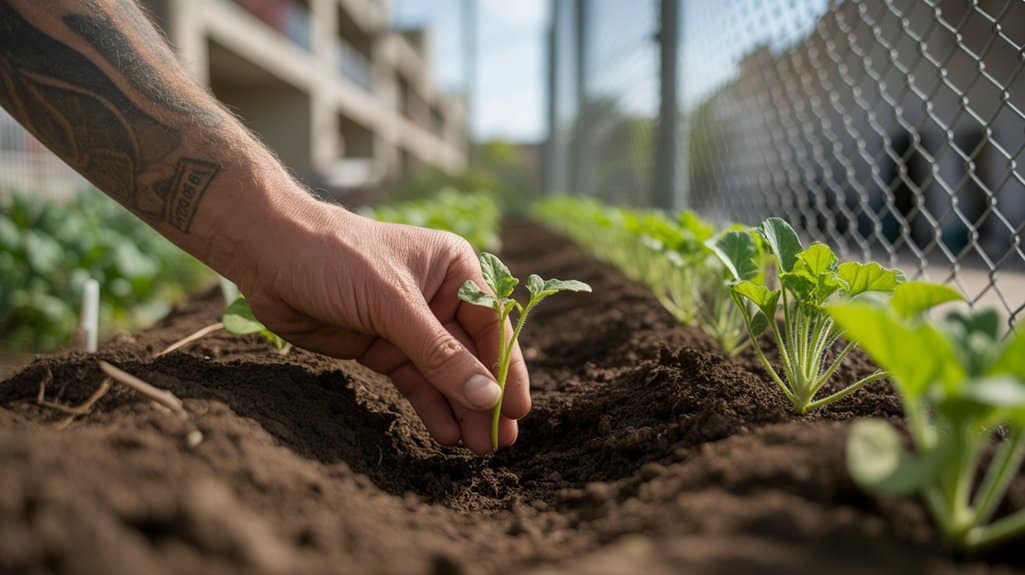
When I returned to my old neighborhood, I saw children making the same choices I’d made years before. They were heading down that dark path, and it broke my heart.
I knew I had to do something. Here’s how we can break this cycle together:
- Share real stories – Children need to hear what prison’s actually like
- Create safe spaces – Give young individuals somewhere to belong
- Show different paths – Education and sports can change everything
- Build trust first – Listen before you try to teach
Change starts with one person caring enough to reach out.
Teaching Youth About the True Cost of Crime
Most young individuals think they know what prison’s like from movies and TV shows. Let me tell you, it’s nothing like what you see on screen. Real prison means constant fear. You fight just to survive each day. I watched kids barely eighteen learn to make weapons from iron bars.
When I talk to young youths now, I share the truth. Prison doesn’t make you tough, it breaks you. You lose family time, job chances, and hope. Every scar tells a story of pain that could’ve been avoided. Education opens doors that crime slams shut forever.
Prison Violence and Weapons
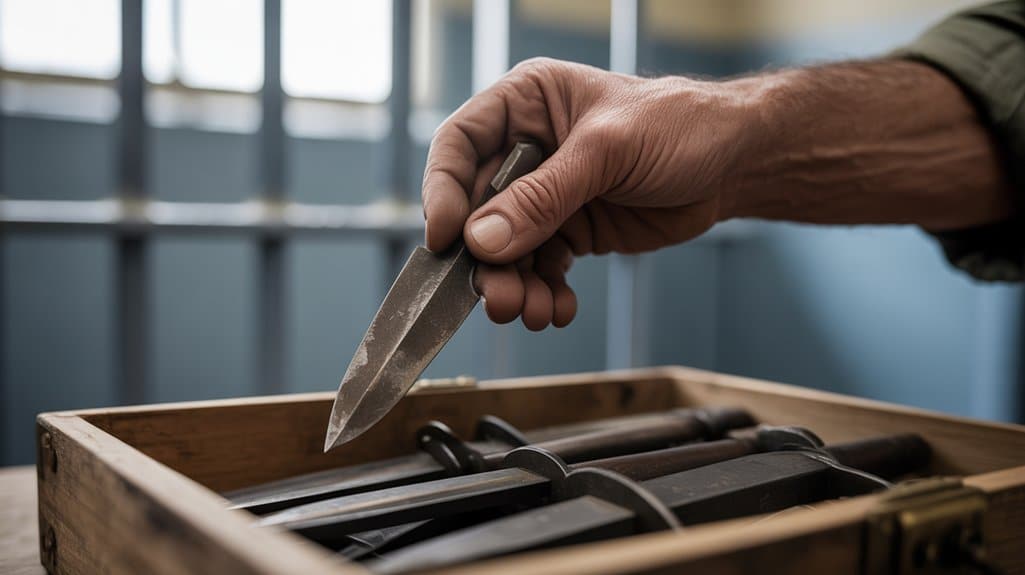
Inmates create makeshift weapons from everyday prison materials due to restricted access to traditional weapons. Common improvised weapons include sharpened pieces of iron bars, metal fragments, and modified utensils. These weapons are crafted using available resources within the prison environment. The creation and possession of such weapons become survival tools in violent prison cultures where inmates must protect themselves from potential threats and maintain their status within the prison hierarchy.
How does prison violence affect an inmate’s daily survival?
Prison violence creates a constant state of vigilance where inmates must remain prepared for confrontations at all times. Survival requires maintaining a certain level of aggression and willingness to fight when challenged. Inmates often describe the prison environment as a “ticking time bomb” due to ongoing tensions. Even minor disputes over basic necessities like salt can trigger violent riots. The culture of fighting becomes normalized as inmates learn that showing weakness can result in becoming targets for abuse or exploitation.
Why do inmates feel compelled to fight in prison?
Fighting in prison serves multiple purposes beyond self-defense. Inmates must “renew their ID card,” meaning they need to periodically assert their dominance and earn respect through physical confrontations. This violent culture stems from the need to establish and maintain status within the prison hierarchy. Refusing to fight or backing down from confrontations can mark an inmate as vulnerable, leading to increased targeting by other prisoners. The prison system inadvertently upholds this behavior as a survival mechanism.
How do young inmates contribute to prison violence?
Young, aggressive inmates significantly impact the overall atmosphere of correctional facilities by bringing heightened tension and unpredictability. These younger prisoners often enter with limited impulse control and a willingness to engage in violent behavior to establish themselves quickly. Their presence escalates existing conflicts and creates new sources of tension. The combination of inexperience and aggression makes young inmates both perpetrators and victims of prison violence, contributing to an increasingly volatile environment for all incarcerated individuals.
What skills do inmates develop to protect themselves in prison?
Inmates acquire various survival skills during incarceration, including the ability to create weapons from prison materials and develop heightened situational consciousness. They learn to read body language and recognize potential threats before situations escalate. Physical combat skills become essential, as inmates must be prepared to defend themselves at any moment. Additionally, inmates develop psychological strategies for navigating prison politics and understanding the unwritten rules that govern inmate interactions and territorial boundaries within the facility.
How does prison violence impact different correctional facilities?
Prison violence varies significantly across different correctional facilities, with each institution having unique dynamics and cultures. Some prisons experience more frequent and severe violent incidents due to overcrowding, inadequate staffing, or poor management. Facilities housing different types of offenders may have varying levels of violence, with maximum-security prisons typically experiencing more severe incidents. The physical layout, available programs, and administrative policies all influence the prevalence and intensity of violent behavior within specific institutions.
What are the long-term psychological effects of prison violence exposure?
Prolonged exposure to prison violence creates lasting psychological trauma that extends well beyond incarceration. Inmates develop hypervigilance and difficulty trusting others, which complicates reintegration into society. The constant stress of potential violence can lead to anxiety disorders, depression, and post-traumatic stress symptoms. These psychological scars often persist after release, affecting an individual’s ability to form healthy relationships and maintain employment. The normalization of violence during incarceration can also influence behavior patterns in post-release life.
How does prison violence affect rehabilitation efforts?
The prevalence of violence in correctional facilities significantly undermines rehabilitation programs and efforts toward prisoner reform. When inmates must focus primarily on survival and self-protection, they have limited capacity to engage meaningfully with educational or therapeutic programs. The violent culture perpetuates criminal thinking patterns and behaviors rather than promoting positive change. This contributes to high recidivism rates, with approximately 70% of released prisoners returning to criminal behavior, partly due to the failure of prisons to provide safe environments conducive to genuine rehabilitation and personal change.
What triggers violent incidents in prison settings?
Prison violence can be triggered by seemingly minor incidents due to the high-stress environment and tension among inmates. Disputes over basic resources like food, personal space, or respect can quickly escalate into serious confrontations. Overcrowding intensifies these triggers by increasing competition for limited resources and reducing personal space. Gang affiliations, perceived disrespect, and challenges to established hierarchies also serve as common instigators for violent incidents. The institutional environment itself, with its emphasis on control and punishment, contributes to the volatile atmosphere that makes violence more likely.
Mother’s Prison Visit Impact
Behind the cold prison walls, family visits carry emotional weight that can break even the toughest inmates. When my mother walked into that visiting room, I felt everything change. Her eyes held pain I’d caused, but also love I didn’t deserve.
That visit showed me how my choices hurt the individuals who mattered most. Here’s what her presence taught me:
- Love persists – Even when I’d given up on myself
- Pain spreads – My actions wounded my entire family
- Hope remains – She believed I could evolve
- Strength emerges – Her visit sparked my transformation journey
Sometimes freedom begins with seeing ourselves through loving eyes.



18 Responses
“Education opens doors that crime slams shut forever” – such a true statement! Let’s spread the word about the importance of education! 📚
“Family visits that broke a mother’s heart” – this line really moved me. Family love is so important, even in hard times. ❤️
I loved reading this! It gives me hope that people can change and find a better path. Keep sharing your journey! 🐝
This story is really inspiring! It shows that no matter how hard life gets, there’s always a way to find hope. 🌟
This really touched my heart. Your story reminds us all that we can overcome tough situations. Keep shining! 🌈
This story is intense, but it feels like it skips over the real issues. Why isn’t anyone talking about the support systems needed for these kids? We need to fix the root causes!
“Renewing your ID card” sounds tough, but it’s so powerful how you learned to fight for respect and survival. You are strong! 💪
I don’t get why some people think prison is just a place to learn. It’s way harsher than that. They should really focus on how to help people before they end up there.
“Rugby gave me hope” – I love this! Sports can change lives, and it sounds like it did for you too. Go, team! 🏉
‘Renewing your ID card’? That sounds crazy! I feel like there should be different ways to gain respect without having to fight all the time.
Such an uplifting read! It’s incredible how you turned your life around. Can’t wait to hear more of your story! 😊
Wow! Your journey is amazing. It’s great to see how you found strength in difficult times. Thank you for sharing! 💚
‘The streets became home’? That’s heartbreaking! We really need to support families and kids so they don’t have to live like that. It’s not right!
It’s sad to hear about how tough it is in prison, but I feel like there should be more hope offered. Why are we not investing in better rehabilitation instead of just punishment?
‘70% recidivism rate’—wow, that’s awful! It shows how broken our system is. What are we doing wrong? We need more solutions, not just statistics.
I can’t believe how many young kids end up in prison. This makes me think we should have more programs for youth to keep them out of trouble instead of waiting until they mess up.
‘Prison violence affects rehabilitation’? Of course it does! If people can’t even feel safe in jail, how can we expect them to change? Something’s gotta give!
‘Prison visits that broke a mother’s heart’? That’s so powerful! It highlights the importance of family support. We need more love and less judgment!