
I’ve watched Campi balance fatherhood and fame for years, and his story fascinates me. He’s raising four kids while building a comedy career that celebrates Argentine culture. His character Jorge feels so real because Campi draws from actual family moments and neighborhood observations. What strikes me most is how he’s adapting to television’s changing environment while staying true to his roots. There’s something deeper happening here about preserving cultural identity through entertainment.
From Flight Delays to Family Reunions in Uruguay

When fog interrupted Campi’s travel plans, he found himself with an unexpected gift of time in Uruguay. Sometimes life’s delays turn into perfect moments, don’t they?
His wife’s family lives here, making this more than just another work trip. Over the years, he’s visited for holidays and performances, even living in Uruguay for two full years. Those experiences shaped his comedy in ways he couldn’t have imagined.
With four children ranging from 13 to 23, family gatherings mean everything. Montevideo holds special memories for him. The city left its mark on his heart and career, creating connections that go far beyond the stage.
Raising Four Children in the Entertainment World
Managing four children while building a comedy career isn’t exactly what you’d call easy. I’ve got kids ranging from 13 to 23 years old, with two from my previous marriage. The age spread creates unique challenges and joys.
| Child’s Age | Main Focus | Connection to Arts |
|---|---|---|
| 23 years | Adult life | Creative influence |
| Teen years | School/growth | Theater interest |
| 13 years | Middle school | Singing passion |
| Various | Family time | Show attendance |
One child’s pursuing theater and singing, which makes my heart proud. They sometimes attend my performances, creating special family moments. Balancing tour schedules with parenting requires constant juggling, but watching them develop their own artistic interests makes every sacrifice worthwhile.
Television Career Highs and Industry Challenges

Although raising four kids keeps me busy, my television journey has brought incredible highs alongside some tough industry realities. Working on various shows taught me about the pressure of ratings and how fame changes everything. I loved performing in carnivals that connected with local culture. Those moments shaped who I am today.
But television faces a real crisis right now. High production costs and crew expenses make everything harder. I’ve seen how creativity can help us maneuver through these money problems though. Countries like Mexico and Colombia show us what’s possible when we adapt and stay flexible with our programming approach.
Upcoming August Performances Across Uruguay
Several exciting shows are coming up this August across Uruguay, and I can’t wait to share them with spectators. I’ll be performing in Carmelo, Montevideo, and Colonia during this tour. The Montevideo show is special because I’ve scheduled two different time slots on the same day. This gives more individuals a chance to catch the performance.
My family will join me for some of these shows. It’s wonderful when my children can attend and see what I do. These performances mean everything to me, and I’m working hard to improve my singing for audiences.
The Crisis in Contemporary Television Production

When I look at television today, I can’t help but notice we’re facing real challenges. The industry is going through tough times right now. Money problems make everything harder for everyone involved.
Creating shows costs so much these days. Crew members need fair pay, but budgets keep shrinking. It’s a tricky balance that affects quality programming.
I see how places like Mexico and Colombia handle these issues better. They find creative ways to work around financial limits. Their shows still shine despite money troubles.
We need fresh thinking to fix television’s problems. Good ideas can flourish even when cash runs low.
Financial Struggles and Leadership Dynamics
Since I’ve worked with Marcelo for over fifteen years, I’ve seen how money troubles can strain even the strongest partnerships. Our team faces unpaid wages, yet we stick together because we believe in his good heart.
| Challenge | Reality | Hope |
|---|---|---|
| High crew costs | Eating our budget | Creative solutions |
| Unpaid wages | Team stress | Trust in leadership |
| Production expenses | Limited resources | Innovation wins |
| Financial pressure | Daily worry | Community support |
| Industry crisis | Tough decisions | Artistic passion |
Sometimes leaders don’t realize how their choices affect others. But creativity flourishes when constraints force us to think differently.
The Birth of Jorge: Creating Relatable Characters
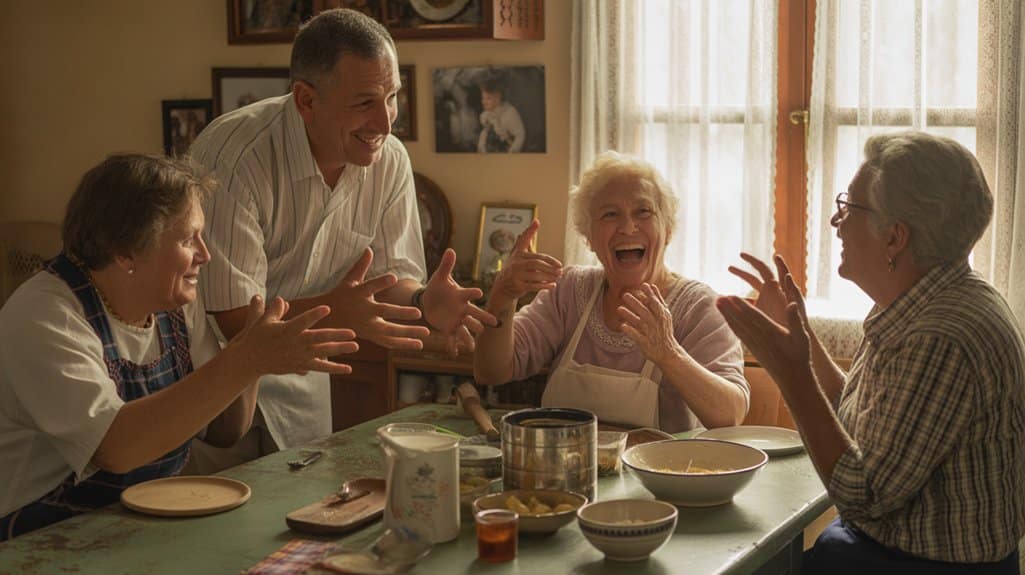
Despite all these behind-the-scenes struggles, the magic happens when you create something individuals truly connect with. Jorge wasn’t born from some fancy brainstorming session. He came from real life—hanging out at a friend’s place and watching how persons actually behave.
That’s what makes characters stick. They’re not made up from thin air. Jorge feels real because he is real. He’s based on actual folks you’d meet in your neighborhood.
When I brought Jorge to Tinelli’s show, audiences saw themselves in him. That’s the secret sauce—taking genuine human moments and turning them into something everyone recognizes.
Community Roots and Character Development
Community connections fuel the best characters. I’ve learned that real individuals inspire the most authentic comedy. When I created Black Mario, he came straight from my neighborhood experiences. These aren’t random ideas – they’re living, breathing parts of my community.
Local culture shapes everything I do. Friends, neighbors, and everyday encounters become the foundation for characters that resonate with audiences. There’s something magical about capturing the essence of real individuals and bringing them to stage.
This approach keeps my comedy grounded and relatable. Characters born from genuine community ties feel authentic because they are.
Comedy Evolution From the 90S to Today
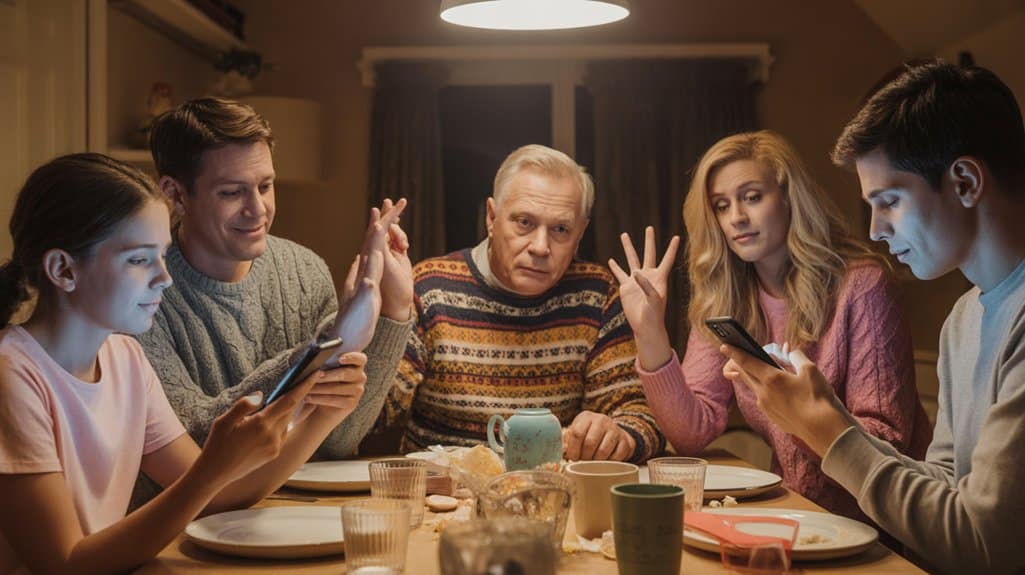
When I look back at the humor we shared in the 90s, I can’t help but notice how much has changed. Back then, we told jokes that might raise eyebrows today. Society has grown more conscious of what hurts individuals.
I’ve watched comedy shift toward being more thoughtful. We’re learning to find that sweet spot between funny and kind. It’s like recognizing when teasing crosses into bullying – we’re getting better at seeing the difference.
The grey areas still exist, but we’re navigating them with more care. Comedy evolves just like we do.
Bullying Awareness and Societal Progress
When I was growing up, teasing was just part of life. Adults would say, “That’s how children learn to toughen up.” But now we understand the difference between harmless fun and real harm.
This shift feels like recognizing flu symptoms and actually seeking treatment. We’re not ignoring the problem anymore. We’re finding solutions and protecting each other better than before.
Collaborative Friendships in Entertainment

Looking back on decades in entertainment, I treasure the friendships that shaped my career most. My bond with Antonio Ayala stands out—we’d spend hours talking and sharing ideas that sparked creativity. These weren’t just work relationships; they were genuine connections built on shared passion.
When Gustavo invited me to join Mamacora production, it felt natural. We’d been collaborating for years, understanding each other’s vision. That’s how real projects grow—through trust and history.
The best part about this business? Working alongside individuals who become family. We create together, support each other, and keep our culture alive through art.
Preserving Argentine Cultural Heritage Through Arts
Every project I work on carries pieces of our Argentine soul. When we reference classics like “Esperando la carroza,” we’re not just making jokes. We’re keeping our culture alive for new generations.
I’ve spent decades weaving Argentine identity into my comedy. Each character I create connects to real individuals from our neighborhoods. That’s how culture survives—through authentic storytelling that feels familiar.
Working with friends like Gustavo on productions helps us honor our shared heritage. We’re building bridges between past and present, making sure younger audiences understand where our humor comes from. Culture isn’t a museum piece—it’s living, breathing art.
Campi’s Four Children Details

How many children does Campi have?
Campi has four children total. Two children are from his previous marriage, while the other two are from his current relationship. His family structure reflects a blended household that includes his wife’s family connections in Uruguay. The comedian has spoken openly about the challenges and joys of parenting multiple children across different age ranges, emphasizing how his family dynamics influence both his personal life and professional career.
What are the ages of Campi’s children?
Campi’s children range significantly in age, with the youngest being 13 years old and the oldest being 23 years old. This ten-year age gap creates interesting family dynamics, as Campi maneuvers parenting teenagers while also having adult children. The diverse age range means he experiences different parenting challenges simultaneously, from teenage development issues to supporting young adults in their career choices.
Are any of Campi’s children involved in the entertainment industry?
Yes, at least one of Campi’s children is pursuing a career in the arts, specifically in theater and singing. This reflects the family’s deep involvement in entertainment and suggests that Campi’s influence and passion for performance has been passed down to the next generation. The child’s interest in theater and singing demonstrates how artistic talents often run in families within the entertainment industry.
Do Campi’s children attend his performances?
Campi’s children do attend some of his shows, particularly during his touring performances. Their attendance at his performances creates unique family bonding experiences and allows them to see their father’s professional work firsthand. This involvement helps bridge the gap between Campi’s family life and his career as a comedian, giving his children insight into his professional world and artistic passion.
How does Campi balance his touring schedule with family life?
Campi manages his touring commitments while maintaining family relationships through careful scheduling and involving his family when possible. His upcoming shows in Uruguay, including performances in Carmelo, Montevideo, and Colonia, demonstrate his commitment to both his career and family connections. The fact that his wife’s family resides in Uruguay helps him combine professional obligations with family visits, creating opportunities for quality time together.
What role does Campi’s previous marriage play in his current family dynamics?
Campi’s previous marriage contributes two children to his current family structure, creating a blended family environment. He deals with the intricacies of co-parenting while building relationships within his current household. This situation requires balancing relationships between his children from different marriages and ensuring all four children feel equally valued and supported in their individual pursuits and development.
How has fatherhood influenced Campi’s comedy career?
Fatherhood has provided Campi with rich material for his comedic work while also grounding his perspective on life and humor. His experiences parenting children of different ages give him relatable content that resonates with audiences who are also parents. The responsibility of supporting four children also motivates his continued work in television and live performances, driving his creative projects and touring schedule.
What challenges does Campi face as a father of four children?
Campi acknowledges the inherent challenges of parenting multiple children, including managing different developmental stages, individual needs, and family logistics. With children ranging from 13 to 23 years old, he must adapt his parenting approach for various life phases simultaneously. Financial responsibilities for four children also influence his career decisions and commitment to maintaining steady work in entertainment.
How do Campi’s children connect to his work in Uruguay?
Campi’s children benefit from his professional connections to Uruguay through their grandmother’s family ties there. His two-year residence in Uruguay and ongoing work relationships in the country create opportunities for the family to experience different cultures and environments. These connections allow his children to maintain relationships with their extended family while experiencing their father’s international comedy work.
What artistic interests do Campi’s children pursue beyond entertainment?
While one child is specifically mentioned as pursuing theater and singing, Campi’s other children’s interests aren’t detailed extensively. However, growing up in a creative household with a comedian father likely exposes all four children to various artistic influences and cultural experiences. The family’s deep involvement in arts suggests that creativity and cultural appreciation are valued qualities that extend beyond just one child’s formal artistic pursuits.
Television Crisis and Adaptation
While Campi balances his family life with touring commitments, he also faces bigger challenges in his industry. Television’s experiencing a real crisis right now. But here’s what I’ve learned about how creative individuals adapt:
- High production costs strain budgets with expensive crew wages
- Inventive solutions emerge when money gets tight
- International examples from Mexico and Colombia show what’s possible
- Existing talent can thrive despite financial limits
The shift demands fresh thinking. Campi’s “Noticampi” project shows how performers create during tough times. Sometimes constraints force the best creativity to surface.