

Uruguay’s real estate market is moving fast right now, and the numbers reflect it , 24,919 home purchases were recorded in the first half of 2026, compared to 18,315 during the same period in 2025. That’s a meaningful jump, and it didn’t happen by accident.
Falling mortgage rates have made financing more accessible across the board, and coastal inventory , particularly in Punta del Este and the surrounding beach communities , remains tight. Properties in well-positioned locations are moving in under two months, and Montevideo is showing the same absorption pace.
When supply stays constrained and demand holds firm, prices don’t pull back. Nationally, values continue to climb, which means waiting rarely works in a buyer’s favor here.
Foreign interest is a steady factor in this market, and it’s worth understanding why. Uruguay offers legal stability, straightforward property ownership for non-residents, and a quality of life that’s genuinely hard to match in the region. That combination keeps international buyers engaged year after year.
One shift worth paying close attention to is the updated tax residency thresholds, which are quietly reshaping how both local and foreign buyers structure their purchases. Depending on your situation, the timing and nature of your acquisition can carry real financial implications , something that deserves a careful look before committing.
If you’re considering entering this market, the current conditions reward decisive, well-informed action more than speculation.
Key Takeaways
Home purchases in Uruguay reached 24,919 in the first half of 2026, a sharp jump from 18,315 during the same period in 2025. That kind of movement tells you the market has real momentum behind it, not just seasonal noise.
A big part of what’s driving buyers off the fence is where mortgage rates have landed. Dollar-denominated financing is now sitting at 6.5%, the lowest we’ve seen in three years, and that’s opening doors for people who were previously waiting it out. When credit becomes more accessible, qualified buyers move quickly, and that’s exactly what we’re seeing on the ground.
Montevideo continues to anchor national demand, accounting for 67% of geographical interest and $2.7 billion in annual transaction volume. This isn’t surprising to anyone who knows the country well. The capital concentrates employment, services, and infrastructure in a way no other city replicates, which keeps buyer attention firmly focused there.
Within Montevideo, neighborhoods like Pocitos and Carrasco are absorbing inventory at a median clearance time of just 1.6 months. If you’re eyeing either of those areas, patience is not your friend. Properties there attract serious, prepared buyers, and hesitation tends to cost opportunities.
What’s worth noting despite all this activity is that sellers aren’t under pressure to discount. Supply and demand are moving in alignment, keeping the market balanced rather than overheated. That equilibrium is actually a healthy sign for anyone thinking about entering the market on either side of a transaction.
Uruguay Home Sales Surge Past 24,000 in Six Months
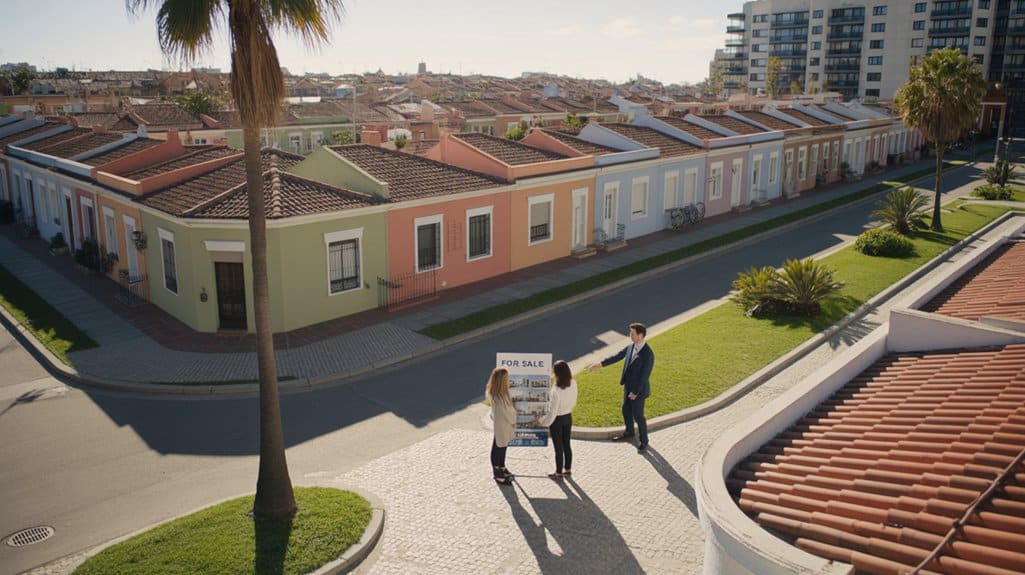
Uruguay’s residential market crossed a meaningful threshold in the first half of 2026, with 24,919 home purchases recorded according to INE property registration data. To put that in perspective, the same period in 2025 saw 18,315 transactions , so the growth here is substantial, and it reflects something I’ve been watching build for a while now.
Foreign buyers remain a consistent presence in this market, and it’s easy to understand why. Uruguay offers genuine legal protections for property ownership regardless of nationality, a stable currency environment relative to the region, and a quality of life that holds up on closer inspection. These aren’t marketing talking points , they’re the reasons I’ve seen international clients return for second and third purchases.
Mortgage access is still inconsistent depending on residency status and income structure, yet transaction volume keeps climbing. Financing conditions have actually improved somewhat, with the average dollar-denominated mortgage rate falling to 6.5% in 2026, its lowest level in three years. That tells you something important: buyers aren’t waiting for perfect financing conditions to move. They’re making decisions based on what the market is doing right now.
The practical reality is that inventory in desirable areas , Montevideo’s Pocitos and Carrasco neighborhoods, Punta del Este, and the emerging coastal stretches toward Rocha , doesn’t sit long when priced correctly. Waiting for a price correction in a market posting these kinds of numbers is a gamble that rarely pays off. The data suggests momentum, not a plateau, and the buyers I’ve worked with who acted on that understanding have consistently come out ahead.
Why Property Prices Keep Rising in Uruguay
Coastal land in Uruguay has always been finite, and the zoning laws here make sure it stays that way. That scarcity alone keeps buyers competing hard for the best positions, because new supply simply cannot keep pace with demand , and that gap is not closing anytime soon. Major infrastructure projects like the Port of Montevideo expansion are already adding upward pressure on prices, with estimates showing appreciation of 5%-10% during construction alone.
Argentine capital remains a constant force in this market. Buyers from across the Río de la Plata have long favored Uruguay as a dollar-denominated refuge, and the current climate of regional instability is only reinforcing that habit. Layer in the growing wave of North American and European buyers targeting premium spots along the coast, and you have real pressure on pricing from multiple directions at once.
Credit conditions have also opened the door wider. Lower interest rates mean more qualified buyers are circling the same properties, and that psychology , the sense that waiting costs more than acting , tends to feed on itself.
Building costs are not helping either. Imported materials are expensive, labor rates have climbed, and developers are not in a position to discount. That keeps resale values firm even when buyers are hoping for movement.
What ties it all together is something Uruguay has quietly earned over decades: political stability and a tax environment that genuinely rewards investment. Security carries a price in any market, and here, people are clearly willing to pay it.
Montevideo and Punta Del Este Lead Uruguay’s Market
Montevideo and Punta del Este pull most of the weight when it comes to transaction volume in Uruguay, and each city does it in its own way. Montevideo stays busy year-round because demand there is largely end-user driven , local buyers, established neighborhoods, and a formal market that doesn’t need a seasonal spike to stay active. That kind of consistency is worth understanding before you make any assumptions about timing or strategy.
Punta del Este operates on a different logic entirely. Inventory is tight by nature, the coastline is finite, and the buyers chasing it , foreign capital, vacation-home seekers, high-net-worth individuals , are willing to compete hard for what’s available. Scarcity here isn’t a problem to solve; it’s a structural feature that keeps values firm and demand persistent even when global conditions soften. The city is also seeing a notable shift toward permanent residence demand, as new projects blending luxury and functionality draw both local and foreign investment.
Knowing which market fits your objective matters more than it might seem. A buyer looking for rental yield and stable appreciation will find Montevideo far more forgiving to enter. Someone prioritizing prestige, exclusivity, or a foothold in one of South America’s most recognized resort destinations will find that Punta del Este rewards patience and decisive action in equal measure.
Montevideo’s Economic Anchor Role
Montevideo holds about 34.4% of all national transactions from January to July 2025, and that number deserves some attention. We’re talking close to USD 2.7 billion moving through the market annually, with roughly 1,500 completed sales every month. Those figures don’t happen by chance. The city combines capital functions, financial infrastructure, and population density in a way that no other Uruguayan city can replicate, and that combination is precisely what gives investors a stable foundation to work from.
What also stands out is how demand spreads across apartments, houses, land, and commercial property rather than leaning on any single segment. That diversity matters more than most buyers initially realize, because it protects the market when one category softens. Nationally, buyer demand skews heavily toward the capital, with 67% of all geographical demand concentrated in Montevideo alone. The practical result shows up in absorption rates: median supply clears in 1.6 months, and no neighborhood stretches beyond 2.2 months. For anyone weighing where to place capital in Uruguay, that kind of liquidity is difficult to find elsewhere in the region.
Punta Del Este’s Luxury Appeal
Punta del Este operates on a different scale from anywhere else in Uruguay, and if you’re looking at this market, it helps to understand just how distinct it really is. Beachfront trophy homes and branded residences routinely push transaction values into territory that Montevideo and other Uruguayan cities simply don’t see. The first half of 2025 alone recorded US$1.17 billion in luxury sales , a figure that reflects genuine, sustained demand rather than a seasonal spike.
Prime beachfront properties are trading between US$7 million and US$20 million, with premium condos reaching US$10,000 per square metre. These aren’t outliers , they’ve become the benchmark for serious buyers in this market. Most of that demand comes from abroad, with international buyers representing roughly 75% of purchases. What draws them here is a combination of political stability, strong capital preservation fundamentals, and the kind of lifestyle product that’s genuinely hard to find elsewhere in the region. Most are buying second homes rather than primary residences, which tells you something important about how they’re using these assets.
Timing matters considerably in Punta del Este. The high season runs December through March, when weekly rental rates hit US$15,000 and occupancy reaches 85% , numbers that make the investment case fairly straightforward for the right property. Branded developments like Cipriani and Fendi Château signal that global developers continue to see long-term value here, targeting buyers who want prestige, exclusivity, and a market that holds its value. Cipriani’s own contribution to this pipeline is a US$500 million resort, residence, and casino project now underway on the Atlantic shoreline.
Scarce High-End Coastal Inventory
Uruguay’s coastal real estate has always rewarded buyers who move with conviction, and nowhere is that truer than in Montevideo and Punta del Este. Supply at the top end stays tight, and that scarcity directly shapes what you pay, how fast deals close, and how much leverage you actually have at the table.
Beachfront land near Brava keeps shrinking as a practical matter , there’s simply no more of it being created , and the pipeline of new luxury stock moves slowly despite hundreds of thousands of approved square meters sitting in development queues. Approvals and delivered product are two very different things in this market.
| Market | Price Range (USD/m²) | Annual Growth |
|---|---|---|
| Montevideo Coastal | 3,200, 4,200 | 3%, 4% |
| Punta del Este Beachfront | 3,500, 6,000 | 6%, 8% |
| Montevideo Broad | , | 3%, 5% |
| Punta del Este Prime Paradas | , | Outpacing average |
Owners holding prime coastal assets know exactly what they have, which is why resale activity stays quiet and price reductions are rare. Buyers expecting room to negotiate will generally find the opposite , sellers here don’t need to move unless the number is right. The buyers who do well in this segment tend to be the ones who’ve done their homework, come prepared, and don’t mistake patience for leverage.
Where Uruguay Property Prices Run Highest
Carrasco remains the benchmark for Montevideo buyers who want the full package , prestige address, ocean proximity, and consistent long-term value. Prices there sit between US$4,266 and US$4,350 per m², which puts it well ahead of Punta Carretas and Pocitos, two neighborhoods that still perform strongly but simply don’t carry the same weight with discerning buyers.
The real story, though, plays out along the eastern coast. Punta del Este starts at around US$4,000 per m², and that’s before you factor in direct beachfront access. Move toward José Ignacio, La Barra, or Manantiales, and you’re looking at US$7,000 per m² as a realistic entry point, with premium oceanfront units regularly clearing US$9,000. That gap isn’t accidental , it reflects limited inventory, consistent international interest, and a seasonal dynamic that keeps demand tight even when other markets soften.
Buyers with inland priorities will find the numbers considerably more forgiving, but it’s worth understanding what drives that difference before assuming inland represents better value. The eastern corridor holds its prices for specific reasons: it’s scarce, it’s sought after, and it attracts a global buyer pool that isn’t particularly sensitive to market fluctuations. For anyone weighing where to place capital in Uruguay, that distinction matters more than the price per square meter alone.
Can Foreigners Buy Property in Uruguay?
Buying property in Uruguay as a foreigner is refreshingly straightforward. There’s no residency requirement, no special permit to chase down, and no restrictions tied to nationality or property type. A valid passport is all you need to get started, and if making the trip isn’t practical, a notarized power of attorney handles the transaction just as cleanly.
What makes Uruguay particularly appealing is how the law treats everyone equally once you’re at the table. Foreign buyers hold the same rights as Uruguayan citizens , you can own, sell, rent, mortgage, or pass property on through inheritance, all under the same legal framework. There’s also no limit on how many properties you can acquire, which matters quite a bit if you’re thinking beyond a single purchase.
No Residency Required
Many buyers walk away from Uruguay before they even ask the right questions, usually because someone told them they’d need residency to buy property here. That’s simply not how it works. Foreign nationals purchase freely, no residency status, no citizenship requirement, no local partner standing between you and the title deed.
What you actually need is straightforward: a valid passport, proof of funds, and documentation showing where that money originates. Uruguay’s anti-money laundering requirements are serious and consistently enforced, so a clean paper trail matters more than any visa stamp in your passport.
Closing doesn’t require you to be physically present either. Remote transactions are well-established here, and a notarized power of attorney allows a trusted representative to sign on your behalf when travel isn’t practical. The escribano, Uruguay’s specialized property notary, manages title verification, tax filings, and the legal transfer itself. It’s a role unique to this legal system, and a good one handles complexity quietly so buyers rarely feel it.
Digital title registration has also changed the pace of transactions considerably. What used to involve stacks of paper moving between offices now resolves faster and with fewer points of friction.
The property goes directly into your name. No holding structures required, no intermediaries with ownership stakes, no waiting on government approvals tied to your immigration status. Uruguay built its property system to be accessible, and for foreign buyers, that accessibility is genuine, not a footnote buried in exceptions.
Equal Investment Treatment
Uruguay keeps things straightforward when it comes to foreign ownership, and that clarity is genuinely one of the country’s strengths. Law 16,906 establishes equal treatment for foreign and domestic investment, meaning you purchase, sell, rent, mortgage, or inherit property on exactly the same legal footing as any Uruguayan citizen. No prior authorization, no special registration, no waiting on approvals before you can move forward.
What that means practically is that a foreign buyer picking up a beachfront property in Punta del Este holds the same rights as a local buying an apartment in Pocitos. The legal framework was built that way intentionally, and it holds. Ownership eligibility simply isn’t the hurdle people expect it to be.
Where you’ll spend your time and attention is on the compliance side: due diligence, notarial processes, tax registration, and making sure the paperwork reflects the transaction correctly. That’s the actual work, and it’s worth doing properly. The good news is that Uruguay’s system is transparent and well-structured, so with the right guidance, none of it is particularly complicated. Think of it less as navigating obstacles and more as following a clear, established path.
New $2M Threshold for Uruguay’s Tax Residency Rule

Uruguay just raised the bar for property-based tax residency, and it’s worth understanding exactly what that means before you start browsing listings.
Law 20.446 sets the new investment threshold at UI 12.5 million, which works out to roughly USD 2 million, for any urban real estate purchased from January 1, 2026. That’s a significant jump from the previous USD 590,000 benchmark, and it changes the conversation for a lot of buyers who were eyeing Uruguay specifically for its foreign-income tax exemption.
| Route | Old Standard | New Standard |
|---|---|---|
| Real Estate | ~USD 590,000 | ~USD 2,000,000 |
| Physical Presence | 183+ days | 183+ days |
| Innovation Fund | N/A | USD 100,000/year x 11 |
That said, the property path hasn’t disappeared, it’s just become a more deliberate commitment. At the USD 2 million level, you’re looking at genuinely exceptional real estate, think premium Punta del Este apartments, beachfront in José Ignacio, or well-positioned Montevideo properties with strong long-term value. Uruguay’s market at that tier tends to hold up well, and the lifestyle and legal stability you get here are hard to match in the region.
Buyers who can’t meet that threshold still have a clean route through physical presence, spending 183 days or more in the country each year. It takes longer to establish, but it’s straightforward and costs nothing beyond actually living here, which for many people is the point anyway.
What’s Next for Uruguay’s Property Market
Montevideo’s property values look set to rise somewhere between 3% and 5% over the next year, and premium coastal areas will likely push past that ceiling without much effort. Nationally, USD-denominated gains of 3% to 6% are well within reach, and if you’re thinking longer term, cumulative appreciation over the next decade could land anywhere between 55% and 80%. Those are healthy numbers, and they reflect a market that’s genuinely balanced rather than overheated , sellers aren’t under pressure, and supply isn’t running away from demand.
Worth keeping an eye on is the wind-down of the Vivienda Promovida program, which has been a significant driver of new construction activity. As that support fades, new builds will tighten, and existing properties stand to benefit directly from the reduced inventory. It’s the kind of structural shift that quietly moves prices without making headlines.
Coastal zones deserve particular attention right now. Infrastructure investment is picking up in several shoreline communities at the same time foreign buyer interest is growing, and that combination tends to move values faster than the national average suggests. That said, the coastline brings its own considerations , climate resilience is a real factor when evaluating long-term value in those areas, and the charm of a sea view only goes so far if the fundamentals don’t hold up over time. Location still matters, but durability matters more.
References
- https://propertyinuruguay.com/market/
- https://ingar.com.uy/en/blog/uruguay-real-estate-investment-destination-for-foreigners
- https://propertyinuruguay.com/uruguay-real-estate-market-overview/
- https://www.laciteuruguay.com/news/uruguay-property-market-report-2026
- https://thelatinvestor.com/blogs/news/uruguay-housing-prices
- https://www.elobservador.com.uy/economia-y-empresas/la-compraventa-inmuebles-movilizo-mas-us-1400-millones-siete-meses-n6055552
- https://housingmarketgroup.com/is/uruguay-real-estate-market-update-july-6-2026/
- https://janushermes.com/blog/buying-property-uruguay-foreigner-2026
- https://propertyinuruguay.com/uruguay-real-estate-foreign-buyers-guide/
- https://housingmarketgroup.com/ur/uruguay-real-estate-news-housing-market-home-prices-and-property-updates-july-8-2026/