
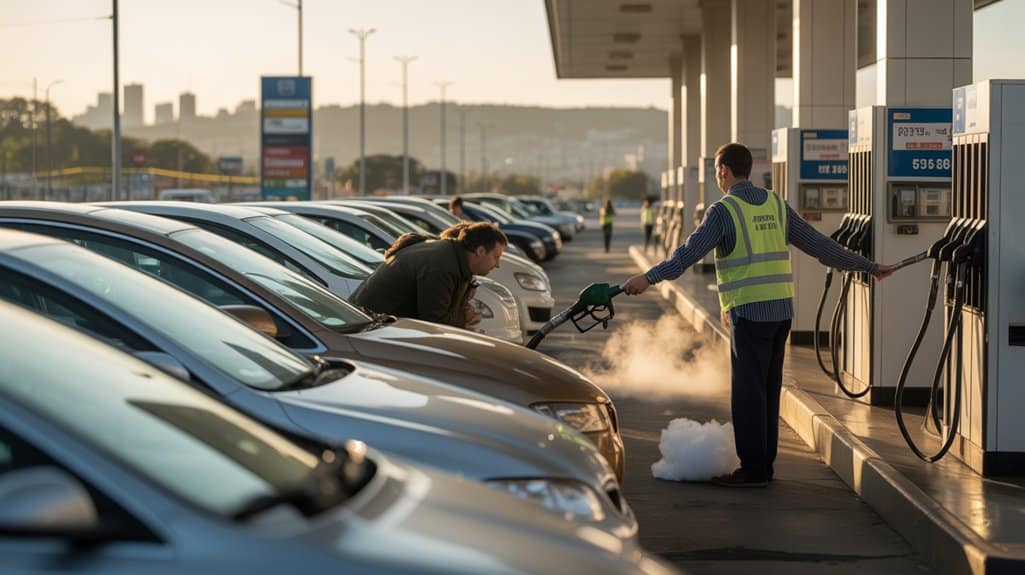
Fuel prices in Uruguay just shifted in a meaningful way, and if you’re thinking about property here, this is worth factoring into your decisions. Gasoline now sits at 82.27 pesos per liter , a 7% jump since April , while diesel holds at 50.63 pesos. These aren’t just numbers at the pump; they ripple directly into how people live and where they choose to live.
Properties close to Montevideo’s city center or near reliable bus corridors are becoming noticeably more attractive. The government has kept public transport fares stable for now, which makes well-connected neighborhoods a smarter long-term bet for buyers who want to protect their household budgets. Areas like Pocitos, Malvín, and Cordón consistently hold their value precisely because residents can move around without depending entirely on a car.
For buyers eyeing coastal zones , Punta del Este, La Paloma, or the quieter stretches of Rocha , fuel costs genuinely affect the math on a weekend or seasonal property. Driving those routes regularly adds up, and that’s a conversation worth having before committing.
Investors looking at rental properties should also pay attention. Tenants are increasingly weighing commuting costs when choosing where to rent, which shifts demand toward urban and peri-urban locations with solid infrastructure. That’s a trend I’ve watched build steadily over the past several years here.
Uruguay’s real estate market remains stable and transparent, but smart buying always means reading the full picture , fuel costs included.
Key Takeaways
Fuel prices in Uruguay shifted significantly on May 1, 2026, with gasoline climbing to 82.27 pesos per liter , roughly 7% above April levels , and diesel settling at 50.63 pesos per liter. Projections for later in May push gasoline toward 88.65 pesos and diesel to around 54.00 pesos, governed by a monthly cap of 7% plus a 1.5 pesos per liter stabilization factor. The government has stepped in with a $30 million monthly emergency subsidy, and agricultural taxpayers can also access a 12-month diesel VAT refund to cushion the impact.
For anyone weighing a property purchase right now, these numbers matter more than they might first appear. A daily 20 km commute into Montevideo adds up quickly at these prices, and that extra monthly expense can quietly erode a household budget that already feels stretched. In my years working across Montevideo, the Costa de Oro, and the interior, I’ve watched buyers underestimate running costs , and fuel is one of the most consistent ones.
Neighborhoods well-served by public transit, or close enough to central Montevideo to reduce daily driving, carry real practical value in this environment. Pocitos, Cordón, and Parque Rodó offer that kind of connectivity, and properties there tend to hold their appeal precisely because residents aren’t dependent on a car for every errand.
If a car is unavoidable, steady speeds below 95 km/h, proper tire pressure, and cruise control on highway stretches genuinely reduce consumption. Cycling infrastructure has also improved noticeably in Montevideo, making it a realistic daily option for some buyers , worth factoring into your neighborhood shortlist.
What the New Fuel Prices Mean for Daily Expenses
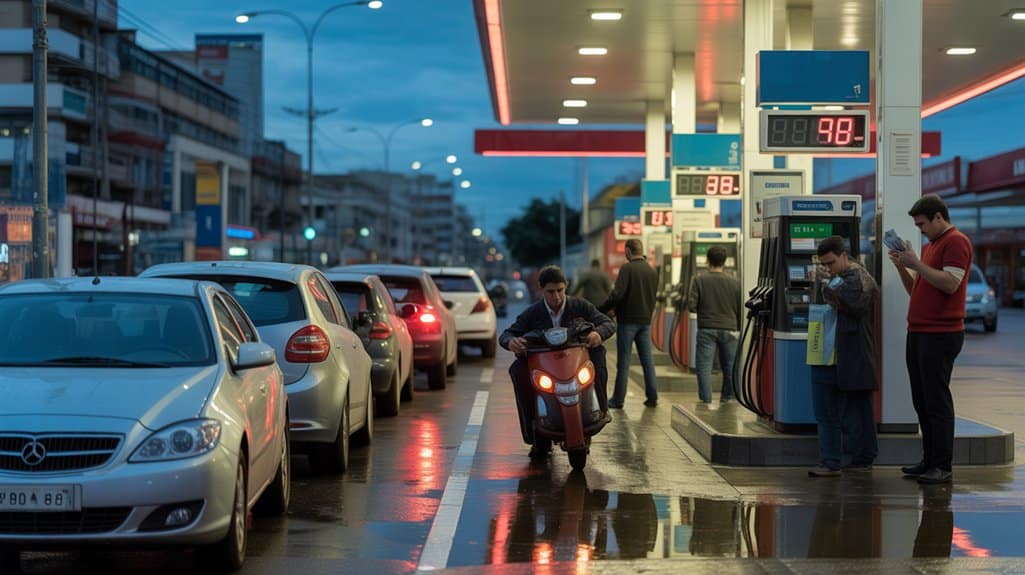
Fuel prices have shifted again, and if you own property or are thinking about buying in Uruguay, it is worth pausing to understand what this means for your wallet. Diesel climbing to 50.63 pesos per liter and gasoline sitting at 82.27 pesos per liter quietly reshape the cost of everyday life, including what it costs to maintain a home or commute between Montevideo and the interior.
A homeowner driving 20 kilometers daily into the city will feel the difference in their monthly fuel bill before long. That extra spend per trip is small on its own, but it accumulates steadily across a full month, trimming the budget in ways that matter when you are also covering maintenance, utilities, or mortgage payments.
Groceries will nudge upward as well, since delivery logistics across Uruguay’s roads depend heavily on diesel. Suppliers absorb what they can and pass the rest along, so the supermarket receipt tends to reflect fuel movement within a few weeks.
The good news is that public transport fares remain unchanged for now, which makes living in well-connected neighborhoods near Montevideo’s bus lines genuinely more attractive from a cost perspective. Properties with easy access to reliable transit have always held their value well here, and this latest shift reinforces that reality.
The government subsidy does cushion the impact, though it does not eliminate it entirely. Thoughtful budgeting and knowing where you live relative to work and services becomes a real financial advantage right now. This increase follows a 7% cap set by the government to mitigate larger price spikes.
How the May 1 Rates Compare to Previous Months
Fuel prices in Uruguay don’t just affect what you pay at the pump , they quietly shape the cost of living calculations that every serious property buyer should factor in. The May 1 rates land roughly 7% above April’s figures, which themselves climbed the same margin over March. That’s a compounding trend worth watching.
To put it in practical terms, January’s gasoline hovered around $2.00 USD per liter. May’s 82.27 pesos per liter lands in a similar dollar range, meaning real purchasing power hasn’t shifted dramatically , but it’s moving. For clients weighing whether to settle in Montevideo versus the interior, these incremental increases affect commuting costs, logistics, and general household budgets in ways that add up over time.
| Month | Gasoline (pesos/L) | Diesel (pesos/L) |
|---|---|---|
| Jan | 76.88 | 47.32 |
| Apr | 82.27 | 50.63 |
| May | 88.65* | 54.00* |
*Projected figures based on announced adjustments.
What makes Uruguay stand apart from its neighbors is the degree of price stability the government maintains. Regional spikes elsewhere in Mercosur have hit anywhere between 15% and 60% , figures that genuinely destabilize household finances and, consequently, property markets. Uruguay’s controlled approach keeps that volatility contained, which is precisely why long-term property investment here carries a level of predictability that’s genuinely rare in this region. The government’s emergency subsidy program, costing $30 million monthly, helps cushion consumers from the full impact of these price hikes.
Why Uruguay Now Updates Fuel Prices Every Month?
If you’re buying or selling property in Uruguay right now, the monthly fuel price adjustments that kicked in on April 1, 2026, are something worth keeping on your radar. The government shifted from a bimonthly schedule to a monthly one, and the reason is straightforward , global oil markets have been anything but stable lately.
A conflict in the Middle East and the closure of the Strait of Hormuz pulled roughly 20% of world crude supply off the table almost overnight. Barrel prices climbed from $70 to over $110 in a matter of weeks. Since Uruguay imports every drop of its oil, those swings hit domestic pump prices directly and fast.
Monthly pricing adjustments give officials the flexibility to respond in real time , smoothing out sudden spikes, managing inflation, and recalibrating subsidies without sitting on their hands for two months. For anyone navigating a property transaction, that matters more than it might seem. Construction costs, logistics, and even rental yields are all sensitive to fuel prices here, particularly outside Montevideo where road transport is the backbone of everything.
The steadier rhythm at the pump is designed to protect consumers from jarring, unexpected hikes , and a more predictable cost environment tends to keep buyer confidence intact. In my experience, when people feel uncertain about day-to-day expenses, real estate decisions slow down. Stability, even in small things like fuel pricing, keeps the market moving. Fuel prices are set by a joint decision of relevant ministries.
Government Actions to Cushion Fuel-Price Spikes
Living in Uruguay means navigating an economy that, over the years, has shown real resilience , and if you’re thinking about property here, understanding how the government manages fuel-price volatility is genuinely useful context for your investment decisions.
Credit subsidies are one of the first things worth knowing about. Farmers can access loans of up to $30,000 at half the standard interest rate, with the state bank having extended repayment terms by an additional year. For rural properties and agricultural land , which remain strong investment categories in Uruguay , this kind of support keeps productive activity stable, which in turn keeps land values from swinging unpredictably.
Public transport subsidies hold bus fares steady, something that directly affects accessibility and desirability across different neighborhoods, particularly in Montevideo and the interior cities. A twelve-month diesel VAT refund for agricultural taxpayers adds another layer of cost relief that ripples through the rural economy and, by extension, the rural property market.
Price-cap rules limit monthly fuel hikes to 7%, and a stabilization factor of 1.5 pesos per liter smooths out the sharper spikes. Emergency subsidies , running at roughly $30 million per month , absorb excess costs when global prices surge unexpectedly. These aren’t small measures; they reflect a deliberate policy of protecting economic continuity.
Regular coordination between the presidency, the economy ministry, and industry leaders keeps supply chains secure. For anyone buying property here, that structural stability is part of what makes Uruguay a genuinely sound long-term choice.
The government has confirmed that fuel prices will rise again starting Friday, responding to rising international oil prices.
Immediate Tips to Offset Higher Fuel Prices
Fuel costs in Uruguay hit differently depending on where you live or where you’re looking to buy, and that’s something I always walk my clients through before they sign anything. ANCAP’s pricing structure means there’s little room to negotiate at the pump, but there’s plenty of room to rethink your daily habits.
Keep your tires properly inflated. It sounds basic, but on routes like the Ruta 1 corridor toward the Costa de Oro or the longer stretches heading to Punta del Este, underinflated tires quietly drain your tank. A quick pressure check saves real money over weeks.
Adopt smoother driving habits, gradual acceleration, speeds under 95 km/h, and cruise control on the interurbanas. Uruguayan highways reward steady driving, and your fuel gauge will confirm it.
Living closer to work isn’t always possible, but remote work arrangements are increasingly common here, especially among buyers settling in Canelones or Maldonado while working in Montevideo. When proximity matters, a well-located property pays for itself in commuting costs alone, something worth weighing seriously during your search.
For shorter distances, particularly in barrios like Pocitos or Punta Carretas, cycling and ride-sharing cover most daily needs without touching the gas tank.
Use price-comparison tools to identify the most competitive stations in your area, plan direct routes, and stay current with your vehicle’s servicing. A tuned engine in Uruguayan humidity lasts longer and costs less per kilometer.
Tax reductions in neighboring countries help cushion consumers from international price shocks.
References
- https://en.mercopress.com/2026/03/27/uruguay-raises-fuel-prices-7-over-middle-east-war-and-shifts-to-monthly-price-setting
- https://english.news.cn/20260430/31110c312bf64dd984404a7f0b181cc7/c.html
- http://www.china.org.cn/world/Off_the_Wire/2026-04/30/content_118471637.shtml
- https://www.youtube.com/watch?v=kFN2t2kdo7w
- https://www.globalpetrolprices.com/Uruguay/gasoline_prices/
- https://www.youtube.com/watch?v=v5AXBBUZ1Co
- https://nylandenergy.com/uruguay-plans-second-fuel-price-revision-in-may-as-middle-east-conflict-drives-subsidy-costs-to-30-million-monthly/
- https://derechadiario.com.ar/us/uruguay/Uruguayans-lost-89-million-dollars-new-calculus-fuel-government
- https://www.globalpetrolprices.com/Uruguay/diesel_prices/
- https://use.com.uy/blog/costofliving