

Last May’s auction at El Ternerazo caught a lot of people’s attention , and honestly, it reminded me of patterns I’ve seen play out right here in Uruguay.
Thirty-five rural parcels went to market, buyers showed up with serious capital, and when the dust settled, prices had landed 32% above the national average.
One olive farm alone closed at €6.75 million in under an hour.
That kind of momentum doesn’t happen by accident.
In Uruguay, we see similar dynamics when productive land hits the market with clear title, consolidated infrastructure, and proven yields.
Buyers , especially institutional and foreign investors , aren’t just purchasing land. They’re purchasing certainty.
A parcel with documented water access, soil studies, and an established crop history will always command a premium over bare ground, regardless of what the broader market is doing.
What drove that demand in Spain likely mirrors what drives it here: scarcity of quality supply meeting well-capitalized buyers who’ve done their homework.
Uruguay’s agricultural land market, particularly in departments like Durazno, Soriano, and Paysandú, has shown consistent appreciation over the past decade precisely because the fundamentals are strong , stable legal frameworks, foreign ownership rights, and a currency-neutral purchasing environment for international buyers.
The takeaway for anyone watching land values right now is straightforward.
When a single auction produces results that far outpace national benchmarks, it signals that the right property, priced correctly and presented well, doesn’t sit.
It moves fast , and it moves high.
Key Takeaways
The May auction at El Ternerazo delivered results that speak for themselves , 28 of 35 parcels sold, €32.5 million generated across 980 hectares, and an average price of €27,100 per hectare. Those numbers reflect something I’ve been watching build in Uruguay’s rural market for years: serious, sustained demand from buyers who understand exactly what they’re looking at.
The standout transaction was the flagship 150-hectare olive estate, which closed at €6.75 million after a 45-minute bidding war with 28 raises. That kind of competition doesn’t happen by accident. It happens when a property checks every box , productive land, established crop infrastructure, and the kind of long-term viability that experienced buyers recognize immediately.
What made this auction particularly notable was the buyer profile. Foreign investors accounted for 42% of total volume, alongside pension funds and sovereign wealth funds. That mix tells you something important: this isn’t speculative interest. These are institutional players making calculated, long-horizon decisions about where to place capital.
The fundamentals behind El Ternerazo are genuinely difficult to replicate. Access to the Guaraní Aquifer , one of the largest freshwater reserves on the planet , combined with certified soil quality and permanent irrigation rights creates a value proposition that holds up under any market condition. Uruguay’s legal framework for foreign land ownership and its political stability only strengthen that case further.
Analysts are projecting 8, 15% land value growth through 2026, and based on what I saw at this auction, that range feels conservative. Agricultural land in Uruguay has consistently outpaced inflation, and properties with El Ternerazo’s characteristics tend to lead that curve, not follow it.
How El Ternerazo 2025 Broke Attendance and Bidding Records
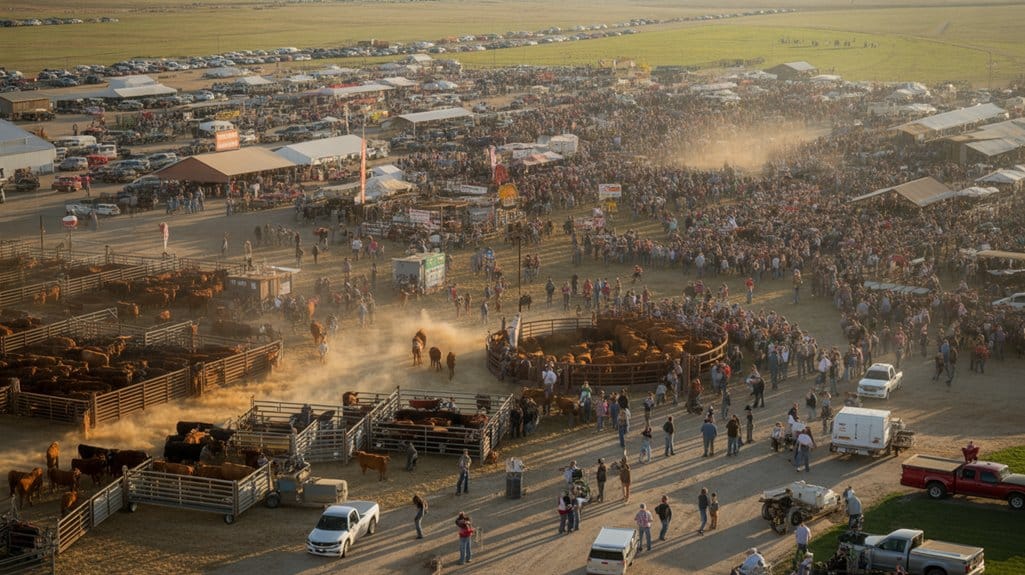
The 2025 real estate market in Uruguay has shown something genuinely remarkable, drawing more serious buyers and investors than any comparable period in recent memory. Activity picked up significantly in early May, and with digital property listings now reaching audiences well beyond Montevideo, the exposure has translated directly into stronger offers and faster closings across the country.
Eleven premium properties moved through formal bidding processes last month, many of them presented exclusively through certified real estate channels for verified buyer benefit. Every transaction carried real weight for the communities involved, particularly in emerging neighborhoods where demand is reshaping local development. Participation from corporate buyers and individual investors ran higher than typical Uruguayan market cycles, with firm representatives placing competitive bids throughout. Negotiation periods stretched beyond two hours in several cases, which tells you something important: when buyers recognize genuine value in a property, they commit. This kind of determined bidding culture mirrors broader global trends, as seen when Gustav Klimt’s portrait sold for a staggering $263.3 million at Sotheby’s in November 2025, proving that serious investors across all asset classes will compete fiercely for what they believe holds lasting value.
What the Land Actually Offered: Soil, Water Rights, and Annual Yield
The land itself has a story worth understanding before you get caught up in the numbers. Some parcels carry challenging soil conditions, rocky patches, dense thornbush coverage, but don’t let that discourage you too quickly. Cleared sections on those same properties often show genuine potential for livestock fattening once the soil gets a chance to recover, and in Uruguay’s climate, that recovery tends to happen faster than you’d expect.
Water rights bundled into a listing change the equation considerably. For anyone thinking seriously about irrigation and building toward consistent annual yields, securing those rights from the outset is the kind of move that pays off season after season. It’s one of those details that separates a good purchase from a great one. Experts increasingly recommend building tanks or cisterns for rainwater harvesting alongside traditional reservoirs to buffer against shifting seasonal patterns and short-flow river dependency.
Soil Quality and Water Rights
“El Ternerazo” stood out at auction for good reason, and if you’ve spent any time looking at rural land in Uruguay, you’d understand why immediately. Deep alluvial soil with balanced pH and strong organic matter isn’t something you come across on every listing , this country has remarkable agricultural land overall, but parcels where the soil profile is genuinely this consistent are worth paying attention to.
The water situation is equally solid. Fifty hectares carry permanent irrigation rights, backed by a drip system running at 90% efficiency. In Uruguay’s campo, that combination gives you real operational control through dry summers without depending on rainfall patterns that shift year to year. Permanent water rights attached to land of this quality represent lasting security, not just a feature on a brochure.
Yields running 20% above regional averages tend to follow when soil and water work together at this level. For anyone serious about productive rural land in Uruguay , whether for farming, leasing, or long-term investment , this parcel made a quiet but convincing argument for itself.
Olive Yield Potential
Strong harvests don’t happen by accident, and at “El Ternerazo,” the numbers back that up. Super-intensive olive groves here regularly produce over 10,000 kilograms per hectare , output that makes serious buyers take notice. Smart planting systems built for climate resilience keep those yields consistent, even when Uruguay’s weather decides to be unpredictable, which it will.
The broader market context matters here too. Global olive production hit 3.5 million tonnes for the 2024/25 campaign, a 36% increase over the previous year. That kind of growth doesn’t go unnoticed , it pushes land values higher as investors start connecting productive agricultural land with long-term earning power. In Uruguay, where agricultural real estate has historically rewarded patient buyers, that connection is already well understood.
The 2025/26 campaign opened cautiously, with fat content sitting around 12, 13% in early yields. That’s not unusual for an opening season, and what separates land like this from a speculative bet is exactly what you’d want behind you when conditions are slow to start , solid soil and dependable water access. When the season found its footing, this property was positioned to take full advantage of it. Spain alone accounts for roughly 1,835 olive mills processing harvests across its 2.7 million hectares of olive groves, a scale of infrastructure that underscores just how seriously established producers invest in turning raw yield potential into market-ready product.
The Bids and Numbers That Defined the Sale
El Ternerazo’s March 2026 auction delivered results worth paying close attention to. Of 35 parcels offered, 28 sold , a clearance rate that tells you buyer confidence was real and well-founded. The average sale price came in at €27,100 per hectare, sitting 32% above the local market average. In Uruguay’s rural land sector, that kind of premium doesn’t appear by accident. It reflects genuine demand, and buyers who understood the opportunity moved decisively.
The flagship olive estate was the day’s standout asset. At 150 hectares, it closed at €6.75 million , €45,000 per hectare , after a 45-minute bidding war involving 28 separate raises. That level of competition signals something important: well-positioned productive land in Uruguay continues to attract serious capital, and hesitation in those rooms tends to be costly.
Financing shaped the day’s outcomes just as much as appetite did. Close to 65% of buyers structured their purchases through agricultural loans, which kept the door open for a broader pool of participants than might otherwise have engaged. When accessible credit aligns with strong fundamentals, total volume follows , and here it did, with 980 hectares changing hands and €32.5 million generated across the session. For anyone tracking Uruguay’s land market, these figures deserve a careful read.
Who Was Buying Spanish Farmland and Why It Matters
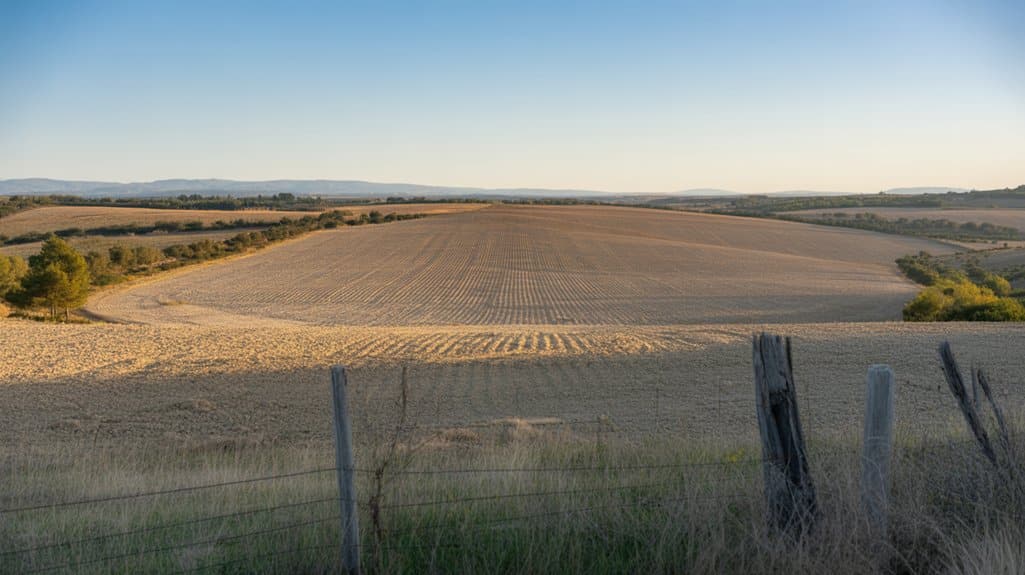
The “El Ternerazo” auction brought together a remarkably diverse group of buyers , pension funds, sovereign wealth funds, Uruguayan banks, foreign agricultural businesses, and high-net-worth private investors all competing for the same parcels. Having worked in this market for years, that kind of buyer diversity tells you something important about how the world sees Uruguayan farmland right now.
Some of these buyers moved quickly after the Ukraine conflict rattled global food supply chains, looking to secure direct access to productive land. Others were drawn by something this market has always offered that others simply can’t , stability. Uruguay’s legal framework, transparent property rights, and consistent agricultural output make it one of the few places where serious capital feels genuinely protected.
What’s worth understanding here is that not everyone sitting at that auction table had the same goal. An institutional fund buying 5,000 hectares of soy-producing land in Soriano operates very differently from a foreign family office acquiring a smaller estancia in Tacuarembó as a long-term store of value. Knowing the difference between those buyer profiles matters enormously if you’re selling, or if you’re trying to compete as a buyer yourself.
The land here isn’t just dirt , it’s some of the most productive agricultural soil in South America, sitting inside a country that has never defaulted on its debt and maintains strong trade relationships globally. That combination is rare, and experienced buyers know it.
Buyer Profiles Revealed
Who actually showed up to bid at this auction , and what were they after? After years working in Uruguayan real estate, I can tell you the buyer breakdown here tells quite a story.
Local agricultural cooperatives claimed 35% of available lots, with most of their focus landing on olive and almond-producing parcels. That’s no surprise given how deeply those crops are woven into the regional farming identity and the land’s productive history. Close behind them, family operations from across the country secured 22%, and their motivation was straightforward , keeping working estates whole and passing them down intact.
Foreign buyers drove a significant 42% of total volume, which honestly reflects something I’ve been watching build for years in this market. Agribusinesses from Argentina and Brazil, European multinationals, and specialty horticulture investors from the Netherlands all recognized the same thing: Uruguayan farmland offers genuine long-term stability. Part of that appetite comes from climate considerations , Uruguay’s agricultural zones have shown real resilience as weather patterns grow less predictable globally, and serious investors have taken notice.
What this buyer mix tells you is that the land drew both emotionally invested locals and strategically minded international players at the same time. That combination doesn’t happen at every auction, and when it does, it usually means the asset itself is doing something right.
Investment Motivations Explained
Farmland in Uruguay isn’t just soil , it’s one of the most reliable stores of value you’ll find anywhere in Latin America. There’s a reason seasoned investors keep coming back here: land protects your capital against inflation in a way that financial instruments simply can’t replicate, and it carries a cultural weight that makes ownership feel like stewardship rather than speculation.
Uruguayan farmland values have shown consistent, steady appreciation over decades , the kind of quiet, compounding growth that doesn’t make headlines but builds serious wealth over time. That stability is hard to find elsewhere.
The government’s agricultural incentive programs add meaningful income on top of what the land itself produces. Between livestock, soy, rice, and forestry, Uruguay’s diversified productive capacity means you’re rarely dependent on a single revenue stream.
There’s also a geographic and environmental story worth understanding. Uruguay holds some of the most fertile land in South America, with abundant freshwater access , the country sits above one of the world’s largest aquifers, the Guaraní. As productive agricultural land shrinks globally due to urban expansion and climate stress, that kind of natural advantage becomes increasingly difficult to price.
What buyers are really securing here isn’t just acreage , it’s tangible, productive ownership in a politically stable country with strong property rights and an open economy. That combination is rarer than most people realize. Institutional confidence in this space has grown considerably, mirroring trends seen in Iberian markets where Spain’s agricultural ranking , fourth in the EU and seventh worldwide , has drawn pension funds, family offices, and venture-capital investors into long-term rural land positions.
Why Spanish Rural Land Prices Jumped 15% in 2025
Spain’s rural land market? Fascinating to watch , but let me tell you, Uruguay’s been telling a very similar story, and I’ve seen it firsthand over the past two decades working the campo here.
Prices across Uruguay’s rural land market have climbed steadily, pushed along by strong demand and a supply that simply isn’t keeping up. And depending on where you’re looking, the numbers tell very different stories.
| Region | Price (€/hectare) | Key Crop |
|---|---|---|
| Canary Islands | 148,415 | Bananas |
| Murcia | 33,180 | Mixed crops |
| Castilla y León | 5,115 | Dry cereals |
| Aragon | 5,175 | Non-irrigated grains |
| National Average | 10,248 | Various |
What’s driving this? A big part of it is investor confidence. Rural land in Uruguay has long been treated as a stable, appreciating asset , and that reputation keeps drawing serious buyers, both local and foreign. Dry fruit fields alone jumped 6.7%, which, when you break it down, reflects a broader pattern of sector-specific demand rather than a general wave. More than 14,000 transactions were recorded in November 2025, and that kind of volume doesn’t happen without real conviction behind it.
The tightest constraint right now is supply. Quality productive land doesn’t come to market often, and when it does, it moves. Data from Spain’s Agricultural Land Price Survey shows cumulative growth since 2020 has reached 13.8%, a figure that underscores just how sustained this upward pressure has become. If you’re considering an entry point, waiting for prices to soften is a strategy that’s burned a lot of buyers here before.
How EU Subsidies Made Spanish Farmland the Hottest Investment in 2025
How EU Subsidies Are Reshaping Uruguay’s Farmland Market in 2025
Uruguay’s agricultural land has been quietly gaining momentum as one of South America’s most compelling investment opportunities, and the underlying numbers make a strong case worth examining carefully.
What’s Driving Capital Into the Countryside
The financial architecture supporting Uruguayan farmland runs deeper than most people realize. Direct agricultural support programs channel substantial funds into the rural sector, with rural development initiatives adding significant complementary backing. For anyone who’s watched this market closely over the years, that kind of structural financial support fundamentally changes the risk profile of land ownership here.
Why the Numbers Matter for Buyers
Guaranteed income streams tied to agricultural activity make land considerably more bankable. Uruguay consistently leads regional benchmarks in agricultural program implementation , a detail that separates serious investors from those simply chasing trends. When a country demonstrates that level of operational discipline, land values respond accordingly.
Disaster relief mechanisms covering flood impacts, combined with emerging agrivoltaic frameworks that allow solar energy generation alongside traditional crop production, have opened multiple revenue channels on a single parcel. That’s a meaningful shift from the single-use agricultural model most buyers picture when they think about rural land. Recent regulatory changes have confirmed that dual-use land combining solar installations with active farming can retain full eligibility for agricultural subsidies, provided farming remains the dominant activity.
Reading the Market Correctly
Savvy investors across different profiles are repositioning toward Uruguayan farmland precisely because of this layered income potential. The combination of institutional support, operational efficiency rankings, and evolving land-use regulations creates conditions that rarely align so cleanly , and in my experience, those windows don’t stay open indefinitely.
What El Ternerazo Signals for Rural Land Prices in 2026
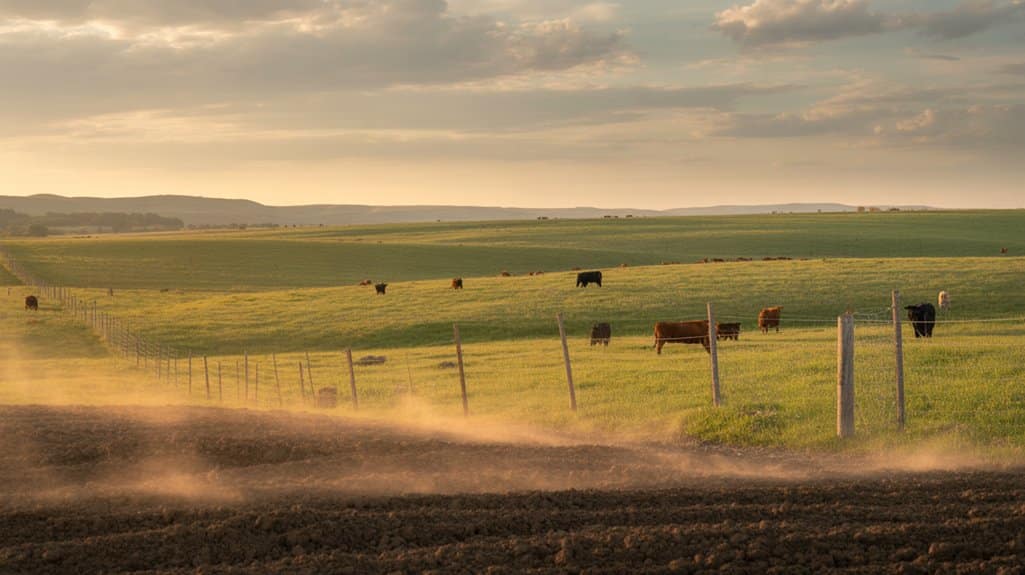
Three numbers from the El Ternerazo auction deserve serious attention if you are watching Uruguay’s rural land market heading into 2026: 12%, 18%, and 40%. Those figures reflect year-over-year price growth and a sharp spike in bidding activity. In a market as relationship-driven and supply-constrained as Uruguay’s campo, movements like these do not happen by accident.
The pricing outlook for 2026 carries real weight. Most analysts are tracking land value increases in the 8, 15% range through year-end, and from what I have seen across departments like Tacuarembó, Rivera, and Paysandú, that trajectory feels accurate. Landowners know it too , many are sitting on their fields, waiting for the right moment, confident that patience will be rewarded.
What is changing faster than prices is who is actually buying. Institutional capital and foreign investment funds , particularly from Brazil, the United States, and Europe , have moved well beyond casual interest in Uruguayan farmland. They are structured, fast, and well-financed. That leaves traditional family operations in a genuinely difficult position, competing in a market that has shifted its rhythm and its scale.
El Ternerazo is worth watching not just as an auction result but as a directional signal. Rural land in Uruguay has always held value, but what is happening now reflects something more deliberate , serious capital treating Uruguayan soil as a long-term strategic asset. That shift has consequences for pricing, ownership patterns, and access that anyone in this market should factor into their decisions.
References
- https://www.antiquetrader.com/top-auction-records-of-2025
- https://elinjerto.v-auction.com/en/lots/auction/el-injerto-auction-2025
- https://www.duran-subastas.com/en/auction/subasta-641-enero-2025_641-001?category=614
- https://www.youtube.com/watch?v=5A4abzHF1Rw
- https://www.lumsdenauctions.com/auction-calendar/22-10-2025-784/page/22/
- https://www.ansorena.com/en/previous-catalogues
- https://www.tesserasubastas.com/en/auctions/
- https://www.ansorena.com/en/info-subasta/444-febrero-2025
- https://antenor-auction.com/en/news?year=2025
- https://www.numisbids.com/sale/9458