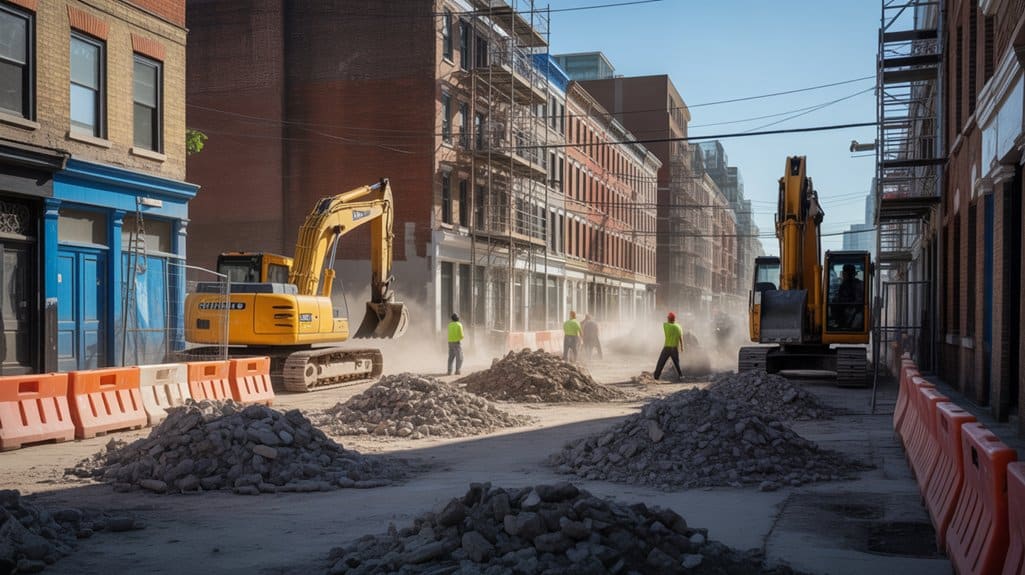
A neighborhood in Montevideo is about to look very different. The “Más Barrio” urban renewal project has officially launched, putting five historic streets at the center of a UYU-equivalent $22 million transformation , and if you know anything about how infrastructure investment moves property values in Uruguay, you’ll want to pay close attention.
Wider sidewalks, new green spaces, solar panel installations, and improved public safety measures are all baked into the plan. These aren’t just cosmetic upgrades. In my experience working across Montevideo’s barrios, the moment the government commits this level of funding to street-level infrastructure, surrounding properties tend to appreciate faster than most buyers anticipate.
What this means for residents is real and immediate , better walkability, lower energy costs in shared spaces, and a neighborhood that simply feels safer day to day. For property owners already in the area, that’s a strong position to be in. For those watching from the outside, the window to buy before prices adjust is narrowing.
Uruguay has a long track record of these kinds of phased urban projects expanding beyond their initial scope. Barrios like Palermo and Cordón saw exactly that pattern over the past decade. The question worth asking right now isn’t whether “Más Barrio” will raise values in these five streets , it’s which surrounding blocks get touched next. Keeping an eye on municipal zoning announcements over the coming months would be a smart move for anyone with property interests in this part of the city.
Key Takeaways
Torrejón’s “Más Barrio” initiative is worth watching closely, especially if you’re thinking about where to position yourself in the market right now. The project targets historic barrios adjacent to transit corridors, and the approach is deliberately designed to upgrade without pushing out existing residents , a balance that tends to produce stable, long-term value rather than speculative spikes.
San José is the starting point, where five streets are receiving widened sidewalks, tree planting, traffic calming measures, and photovoltaic panels. The €22 million backing comes from European funds, which signals serious institutional commitment. That kind of financing doesn’t get pulled overnight, so buyers and investors can plan with a reasonable degree of certainty.
What makes this renewal different from standard infrastructure work is the human component. A dedicated Local Police Neighborhood Cohesion Unit , staffed with psychologists and sociologists doing actual foot patrols , is actively working to build community trust. Socially stable neighborhoods consistently outperform comparable areas in long-term appreciation, and that’s not coincidental.
Property values, foot traffic, and commercial interest are already climbing along the renewed streets, which means early movers are seeing returns before the project has even reached full scale. Timing matters in situations like this.
The model runs on participatory budgeting and resident feedback, meaning adjustments happen in real time rather than waiting for a full review cycle. Every historic barrio is slated for systematic attention, so this isn’t a one-block improvement , it’s a district-wide repositioning that deserves serious consideration.
What Is the “Más Barrio” Urban Renewal Project?
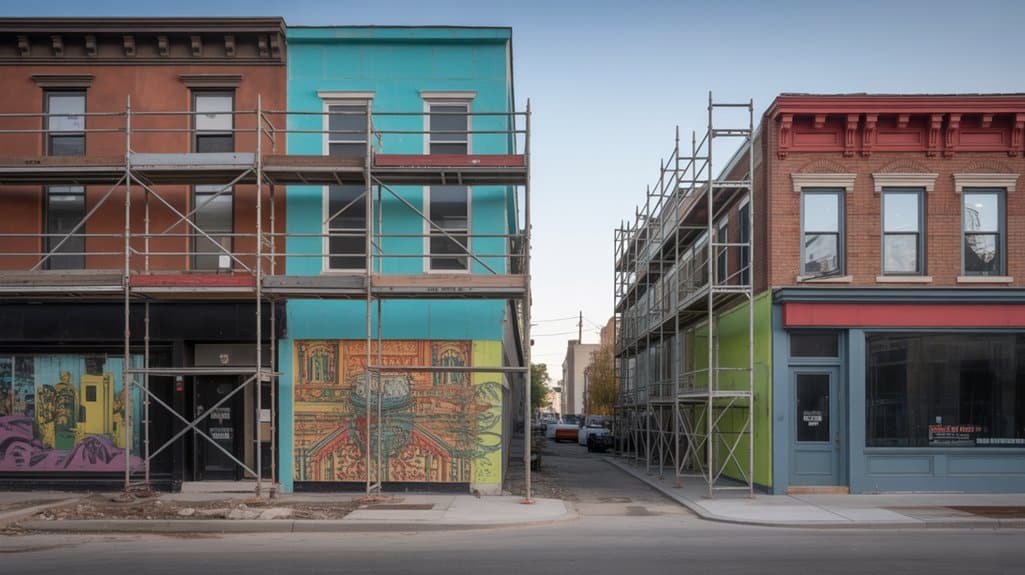
“Más Barrio” is one of those initiatives worth paying close attention to if you’re thinking about property in Uruguay right now. At its core, it’s an urban renewal program designed to strengthen specific neighborhoods, particularly those sitting near transit hubs and key city infrastructure, which, as any experienced agent will tell you, are exactly the locations that tend to appreciate steadily over time.
What makes this project stand out from typical urban development is its deliberate focus on keeping communities intact. Gentrification is a real concern in Montevideo and other Uruguayan cities, and “Más Barrio” takes that seriously. The goal isn’t just to modernize, it’s to improve without displacing the people who gave those barrios their character in the first place.
That community-first approach carries over into how cultural identity is handled. Uruguay has deeply rooted neighborhood traditions, from the candombe rhythms of Palermo to the tight-knit social fabric of Aguada, and this initiative treats those elements as assets rather than obstacles. When a neighborhood retains its soul alongside new investment, it tends to attract buyers and renters who are in it for the long term, and that’s exactly the kind of stability that makes a market worth entering. Reinforcing that stability further, the program treats public spaces as critical infrastructure for livability, ensuring that plazas, green corridors, and community gathering areas are built into the renewal framework from the start.
Why Did Barrio San José Transform First?
Balancing community preservation with fresh investment is something we see play out constantly in the Uruguayan market, and what’s happening in Barrio San José gives you a clear picture of why that balance is worth protecting.
This neighborhood grew quickly and unevenly, which is a pattern you’ll recognize across several Montevideo districts. A wave of internal migration during the 1960s brought workers from rural departments searching for better opportunities. Homes went up fast, often with modest materials, on land that had previously served agricultural purposes. Streets followed demand rather than design.
The area’s identity was shaped well before that migration wave. Light industry, small mills, and processing facilities established a working-class character that ran deep, drawing laborers and building the kind of tight-knit social fabric that actually holds property values steady over time, something buyers don’t always think to ask about.
What really sets San José apart is what residents did with that foundation. They organized, pushed for schools, green spaces, and infrastructure improvements, and they got results. That civic muscle is exactly the kind of neighborhood DNA that makes a zone resilient when market conditions shift. The neighborhood’s earliest residents were hortelanos, farmers who irrigated surrounding fields using traditional acequias to cultivate cereals, olives, and market garden produce.
For anyone looking seriously at emerging opportunities in Uruguay right now, areas with that combination, established community cohesion, historical underinvestment, and visible organizing capacity, tend to reward patience far better than flashier options. San José didn’t transform first by accident.
What Street-Level Changes Are Reshaping Daily Life in Torrejón?
Walking through San José neighborhood in Torrejón today tells you something important before anyone says a word. The sidewalks have room to breathe at 1.80 meters wide, trees line streets that once felt punishing in the midday heat, and cars actually slow down rather than race through. These aren’t cosmetic touches , they signal a genuine shift in how a community reclaims its own streets.
What catches your eye first is how organized everything feels now. Parking follows a clear logic, eliminating the chaotic arrangements that used to create daily friction between neighbors. Narrower roadways do the rest, naturally discouraging speed without needing signs to make the point. Five streets in San José have gone through this transformation, and the result speaks for itself , people stop, linger, and actually use the neighborhood rather than just passing through it.
From experience working across Uruguay’s real estate market, neighborhoods that invest in walkability tend to hold their value remarkably well. Buyers notice when streets feel safe and pleasant, and they’re willing to pay for it. Uruguay’s urban culture, particularly in areas with strong community identity, places real weight on livable public space , it’s not an aesthetic preference, it’s a lifestyle expectation. When a neighborhood signals that residents shaped its design, that story carries weight with anyone seriously considering putting down roots there.
San José’s changes are exactly the kind of detail worth factoring into any property decision in the area.
How Do Traffic Calming and Green Spaces Benefit Residents?
In Uruguay, and particularly in cities like Montevideo and Punta del Este, we’ve seen firsthand how traffic calming transforms a neighborhood’s appeal. Speed reduction measures consistently cut crash rates by around 40 percent, and that kind of safety record doesn’t go unnoticed by families shopping for a home. Buyers ask about it directly.
Well-placed trees and thoughtful streetscaping matter just as much, especially during our long southern summers. Shade canopies lower ambient temperatures noticeably, making outdoor life genuinely comfortable and drawing neighbors outside more often. That daily interaction builds the kind of social fabric that keeps a block desirable for decades.
Calmer streets also shift how people move through their neighborhood. Walking to the feria, cycling along a shaded rambla-style street, or simply letting children play with less supervision , these become realistic daily habits rather than occasional luxuries. For clients focused on health equity and lifestyle, that distinction carries real weight.
From a property perspective, the combined effect is straightforward. Reduced crime, stronger community ties, and rising owner investment tend to push values upward in a sustained, organic way. Research shows that pedestrian fatalities disproportionately affect older adults, who represent twenty percent of traffic deaths despite making up just thirteen percent of the population, making safer streets a matter of genuine equity. In Uruguay’s stable market, where long-term confidence matters more than speculative cycles, a well-calmed street with mature green cover is genuinely one of the more reliable indicators of a neighborhood heading in the right direction.
Which Barrios Does “Más Barrio” Target After San José?
San José sets the foundation, and Rosario steps up as the natural next phase in the “Más Barrio” program. That sequencing matters , each neighborhood builds on what came before, and Torrejón is clearly thinking long-term here.
Smart financing mechanisms carry the weight across multiple historic districts, which is exactly the kind of structural thinking that makes these projects sustainable rather than one-off interventions. Cultural heritage stays intact while residents gain genuinely modernized streets , that balance is harder to achieve than it sounds, and worth paying attention to.
A few things stand out about how this rollout is structured:
- Rosario receives full urban conversion as the confirmed next phase
- Historic districts throughout Torrejón are being addressed systematically, not selectively
- Each phase refines the approach based on real experience from the last
- Residents stay informed throughout, which keeps trust intact
Every historic barrio in Torrejón sits within this investment framework , none are treated as secondary priorities. For anyone watching how urban renewal affects property values and neighborhood desirability, that kind of consistent, dignified treatment across the board is exactly what drives long-term appreciation. Separately, Sevilla’s Pítamo Sector development is planning approximately 9,700 housing units serving around 30,000 inhabitants, demonstrating how large-scale, mixed-use urban models are reshaping southern Spanish municipalities at a structural level.
What Results Have Similar Spanish Urban Projects Actually Delivered?
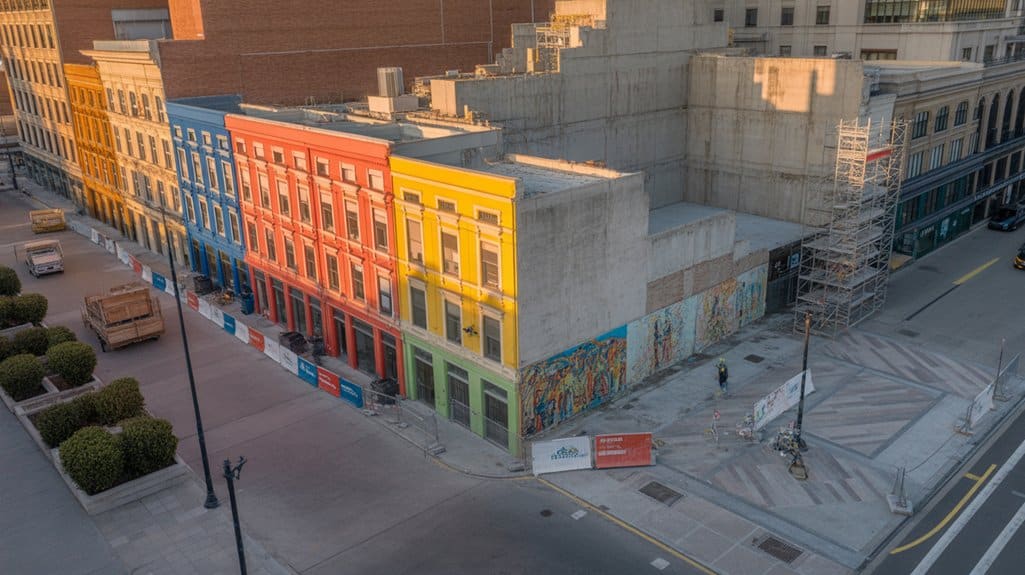
Seeing a plan on paper is one thing , watching it deliver real change in people’s daily lives is another. Uruguay’s urban development conversations can actually draw some solid lessons from what’s already happened in Spain.
Barcelona’s Polideportivo Turó de la Peira took a fragmented, underused urban space and transformed it into something genuinely green and walkable , earning it a finalist spot at the Construmat 2024 Awards. Porto do Son, over in A Coruña, went even further, winning the European Public Space Prize for successfully reconnecting its waterfront to the rhythms of everyday community life.
What these projects actually measured matters here: more green coverage, improved pedestrian flow, and stronger neighborhood identity. Those are the kinds of outcomes worth paying attention to when evaluating any urban intervention. Gentrification concerns come up often in these conversations , and rightly so , but both projects stayed focused on access and belonging rather than displacement, which is a distinction worth keeping in mind for any Uruguayan development following a similar path.
Good urban results don’t happen overnight, and anyone who tells you otherwise isn’t being straight with you. What the Spanish experience quietly confirms is that when projects prioritize people over aesthetics alone, the long-term value , social and economic , tends to follow. The Polideportivo Turó de la Peira also incorporated photovoltaic panels and rainwater reuse systems, showing that environmental performance and community benefit can advance together within the same project.
How Does “Más Barrio” Change Torrejón’s Economic and Social Future?
Investing in neighborhoods undergoing renewal tends to pay off in ways that go beyond the obvious, and what’s happening in Torrejón mirrors patterns we’ve seen across Uruguayan cities like Montevideo and Salto when municipal funding targets long-neglected areas. When over 22 million euros enter older districts through infrastructure upgrades, better lighting, and building renovations, the ripple effect on property values is real and measurable , businesses follow the investment, and foot traffic grows steadily from there.
What makes this kind of urban renewal particularly compelling from a real estate perspective is the social shift it triggers. Cleaner, more accessible streets don’t just improve aesthetics; they rebuild a sense of community that draws long-term residents and new buyers alike. In Uruguay, we’ve watched this dynamic unfold in barrios that were once overlooked but became some of the most sought-after pockets of their cities within a decade of targeted public investment.
The smart move for anyone watching Torrejón’s trajectory is to pay close attention to how quickly that renewed infrastructure translates into commercial interest. Retail and service businesses tend to anchor neighborhoods in ways that sustain property demand well past the initial renovation phase. Buyers who position themselves early in these cycles , before the market fully prices in the improvements , consistently come out ahead. The current phase alone covers five key streets , Pamplona, Zaragoza, Guadalajara, Logroño, and Salamanca , signaling a coordinated commitment that investors should treat as a concrete indicator of municipal follow-through.
Economic Growth Potential
Investing in infrastructure does more than patch up streets , it reshapes what a neighborhood becomes over the next decade. In Uruguay, we see this pattern repeatedly across Montevideo’s Pocitos, Ciudad Vieja, and even in growing hubs like Punta del Este and Colonia del Sacramento. When municipalities commit to physical and economic renewal, property values follow.
Think about what meaningful neighborhood investment actually delivers:
- Tourism-driven demand pulls buyers and renters toward restored, heritage-rich streets , particularly relevant in Colonia, where cobblestone restoration directly correlates with short-term rental yields
- Employment corridors anchored by technology and industrial campuses create sustained housing demand within commuting radius , exactly the dynamic unfolding in Zonamerica and Las Piedras
- Tax incentives like IBI reductions and fee cuts give residents genuine purchasing power, which circulates back into local commerce and property maintenance
- Consolidated commercial zones in industrial parks attract stable businesses, reducing vacancy risk for nearby residential properties
Uruguay’s broader employment strategies, particularly those extending through 2030, are quietly rewiring which neighborhoods deserve attention right now. The country’s political stability and transparent land registry make these signals even more reliable than in most regional markets. The San José neighborhood renewal in Torrejón, funded through European funds, offers a comparable model where targeted public investment transforms one of a city’s oldest and most central districts.
Streets improve, businesses plant roots, families make long-term decisions , and that’s precisely the moment a buyer who moves early captures the most value.
Social Cohesion Benefits
Property values and job corridors tell only part of the story. “Más Barrio” reaches deeper, addressing the invisible walls that quietly divide neighbors from one another , and that’s something seasoned professionals in Uruguay’s real estate market understand well.
Sociocultural integration efforts bring psychologists, social educators, and community volunteers directly into vulnerable areas like San José. They work side by side with residents, not above them, and that distinction matters more than it might seem.
Participatory budgeting gives families a genuine voice in how local resources get used. When people have a hand in shaping their surroundings, they naturally take ownership , and that sense of belonging tends to reflect in the long-term stability of a neighborhood.
Cleaner streets, improved lighting, and new green spaces send a clear signal: this neighborhood belongs to the people who live in it. In Uruguay’s property market, those physical improvements carry real weight when buyers and renters are evaluating where to put down roots.
Programs built around solidarity, volunteerism, and social inclusion do the quiet work of turning isolation into connection. Neighborhoods where trust runs deep between residents tend to be more resilient, more desirable, and ultimately more valuable , and that’s a pattern I’ve seen hold true across Montevideo, the Litoral, and well beyond. A dedicated Local Police Neighborhood Cohesion Unit staffed by psychologists, sociologists, and social educators will patrol San José on foot, reinforcing exactly the kind of ground-level trust that makes these patterns sustainable.
References
- https://www.ayto-torrejon.es/noticia/nota-de-prensa/se-inicia-la-renovacion-de-barrios-tradicionales-con-el-proyecto-de
- https://affordablehousingactivation.org/exemplary-cases/regeneracion-urbana-de-un-barrio-completo-de-madrid/
- https://publications.iadb.org/publications/spanish/document/Proyecto_de_renovación_urbana_integral_en_barrio_La_Huaca_en_Veracruz_México.pdf
- https://observatorioinmobiliario.es/noticias/inversion-inmobiliaria/la-transformacion-urbana-toma-forma-en-los-barrios-de-madrid-2/
- https://fundacionrenovables.org/wp-content/uploads/2024/06/20240626-Rehabilitacion-barrios-1.pdf
- https://www.vitoria-gasteiz.org/wb021/was/contenidoAction.do?idioma=es&uid=u23831b22_18e56e166e5__7d60
- https://www.youtube.com/watch?v=M2ONMy1WvVE
- https://vps181.cesvima.upm.es/re-hab/tag/planes-barrio/
- https://www.mas.org/news/mas-public-realm-plan-recommendations-mamdani/
- https://threesonorans.substack.com/p/project-blue-christmas-1-from-barrio