
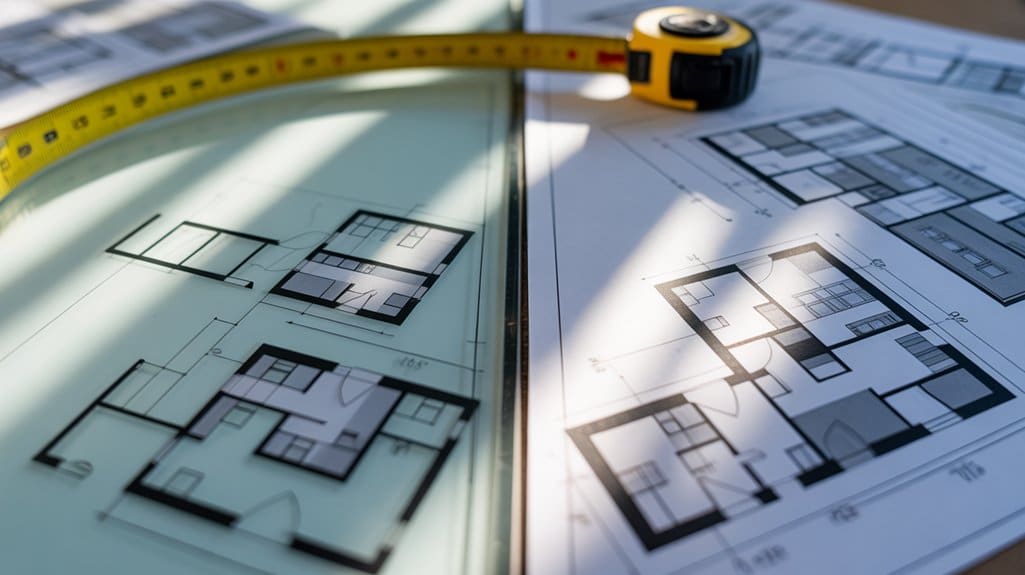
Studio apartments , or *monoambientes*, as we call them here , have become one of the most talked-about topics in Uruguay’s real estate market, and for good reason. In a country where Montevideo concentrates the vast majority of urban demand, these compact units sit right at the intersection of affordability, lifestyle shifts, and some genuinely complex market dynamics that deserve a closer look.
The concept itself is straightforward: one open space where living, sleeping, and cooking coexist. What’s less straightforward is how that translates into value, both for buyers and renters navigating Uruguay’s current market conditions. Pricing per square meter in neighborhoods like Pocitos, Punta Carretas, or Cordón tends to run higher for *monoambientes* than for larger units in the same building , something that catches many first-time buyers off guard.
Part of what drives that reality is demand pressure from specific buyer profiles: young professionals, retirees downsizing, and investors targeting the rental pool, particularly around Montevideo’s coastal strip. The short-term rental market , boosted by platforms operating in tourist-heavy zones like Ciudad Vieja and the Rambla , has also pulled a meaningful share of these units away from long-term housing supply, which tightens availability and pushes prices further.
Uruguay’s rent law reforms and evolving regulations around deposit guarantees (*garantías de alquiler*) add another layer worth understanding before committing to any decision in this segment. The market here rewards patience and local knowledge in equal measure.
Key Takeaways
Zoning regulations that impose minimum size requirements and mandatory parking spaces drive up construction costs significantly, which means fewer studios get built and the people who need affordable housing most , single-person households , end up paying the price.
Rents in Pocitos and Cordón have been climbing well above wage growth for some time now, and monoambientes are genuinely carrying a lot of that pressure as the go-to option for solo renters. It’s a market segment that’s doing a lot of heavy lifting in terms of affordability, and it’s showing the strain.
Step outside Montevideo and the numbers look very different. In interior cities, you’re looking at monthly rents in the $12,000, $15,000 UYU range for a studio, compared to $25,000-plus in the capital. That gap tells you a lot about how unevenly the housing burden is distributed across the country.
Right now, there’s a surplus in the market that gives renters genuine room to negotiate , that’s a window worth using. By 2027, though, demand is projected to outpace supply again, so the favorable conditions renters are enjoying today likely have an expiration date.
What makes this more complicated is that some municipalities are actively considering banning studio construction altogether. That kind of policy, if it moves forward, would tighten an already fragile market and hit younger residents and single occupants hardest , exactly the people with the fewest alternatives.
What Is a Monoambiente (and Why It Matters Now)?
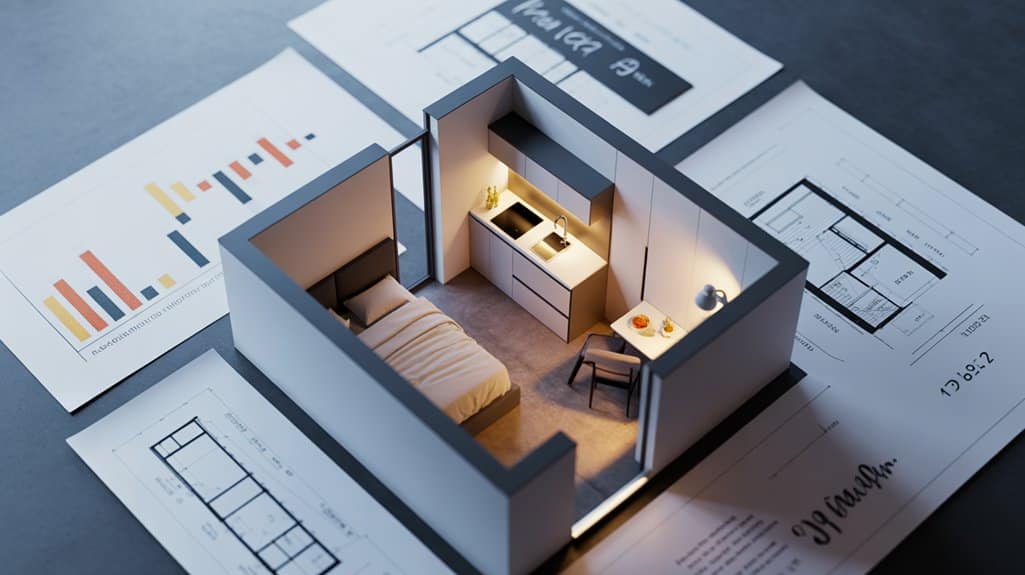
Fitting your entire home into a single room sounds limiting until you actually see how a well-designed monoambiente works. The word breaks down simply: “mono” means one, “ambiente” means room. In practice, it means your living area, sleeping space, and kitchen share one open floor plan, with only the bathroom enclosed by its own walls.
In Uruguay, these units typically range from 11 to 55 square meters, and that range matters more than people initially think. A 25-square-meter monoambiente in Pocitos hits very differently than a 45-square-meter unit in Ciudad Vieja, same concept, different lifestyle. Smart furniture placement, layered lighting, and thoughtful spatial boundaries do the heavy lifting that walls would otherwise handle. The result feels considered, not compromised.
Right now, demand for monoambientes across Montevideo and the interior is stronger than it has been in years. Young professionals relocating for work, university students settling into Montevideo for the first time, and buyers prioritizing financial flexibility are all looking at this format seriously. Rental yields on well-located monoambientes remain consistently attractive for investors too.
What drives that demand goes beyond price. People are actively choosing to own less and experience more, and a monoambiente supports that directly. The format is ideal for individuals living alone, offering an efficient use of limited floor area without sacrificing everyday comfort. For anyone entering the Uruguayan property market, whether buying or renting, this format deserves a genuine look, not just a backup option.
The Affordability Crisis Driving Demand for Studio Apartments
Housing costs in Uruguay have been climbing steadily, and the numbers tell a story worth paying attention to. In Montevideo, rental prices have surged dramatically over the past decade, particularly in neighborhoods like Pocitos, Punta Carretas, and Cordón, where demand consistently outpaces supply. That kind of pressure doesn’t ease on its own.
The rent burden is something I see affecting families across the country every day. A significant portion of Uruguayan renters , especially those in middle and lower income brackets , are spending well above the recommended 30% of their income on housing. When rent consumes that much of a paycheck, there’s little left for the basics, let alone building any financial cushion.
The supply side of the equation makes things harder. Uruguay has a growing number of single-person and small households, driven partly by changing social dynamics and partly by the urban migration pulling people into Montevideo and coastal cities like Punta del Este and Maldonado. The available stock of smaller, more affordable units simply hasn’t kept pace with that shift. The gap between what people need and what exists in the market is something buyers and renters feel every time they start searching. This mirrors patterns seen in cities like New York, where 1.8 million small households compete for just one million studios and one-bedroom units combined.
Studio apartments and compact units have moved from being a last resort to a practical, smart choice for many people navigating this market. Knowing where to look , and what to look for , makes all the difference.
Where Monoambientes Are Actually Affordable Today
Dónde los Monoambientes Siguen Siendo Accesibles Hoy
La ubicación lo cambia todo en Uruguay, y después de años trabajando en este mercado, puedo decirte que ese detalle marca la diferencia entre un presupuesto ajustado y uno manejable.
Ciudades del interior como Melo, Treinta y Tres o Rivera ofrecen una realidad muy distinta a Montevideo o Punta del Este. El alquiler promedio de un monoambiente en el interior puede rondar los $12.000 a $15.000 pesos uruguayos mensuales, mientras que en la capital ese mismo tipo de unidad fácilmente supera los $25.000. La demanda más baja y el costo de vida regional son los factores que sostienen esa diferencia.
| Tipo de Unidad | Alquiler Mensual Promedio (UYU) |
|---|---|
| Monoambiente | $12.000 , $15.000 |
| Un dormitorio | $16.000 , $20.000 |
| Estudiantes (pensiones) | $10.000 , $14.000 |
| Opciones más económicas | Desde $8.000 |
Lo que muchos inquilinos no consideran es que estas ciudades también tienen buena conectividad, servicios básicos sólidos y una calidad de vida tranquila que Montevideo simplemente no puede ofrecer al mismo precio. El mercado interior uruguayo tiene oportunidades reales , solo hay que saber dónde buscarlas. Al momento de evaluar cualquier opción, conviene aplicar la regla del 30% y verificar que el alquiler no supere ese porcentaje del ingreso bruto mensual para mantener las finanzas equilibradas.
Why Some Cities Want to Ban Studio Apartment Construction
Por qué algunas ciudades quieren prohibir la construcción de monoambientes es una pregunta que, en Uruguay, merece una mirada honesta desde adentro del mercado.
En Montevideo y en ciudades como Punta del Este o Maldonado, hemos visto cómo ciertas regulaciones de zonificación terminan bloqueando el desarrollo de unidades pequeñas antes de que siquiera lleguen al papel. Los argumentos que se escuchan son variados , densidad urbana, estética edilicia, identidad del barrio , pero quien conoce el mercado sabe que el efecto real recae siempre sobre la oferta y el acceso a la vivienda.
Un ejemplo claro: las exigencias de superficie mínima, estacionamiento obligatorio o requisitos constructivos desproporcionados para proyectos pequeños encarecen tanto el desarrollo que muchos inversores directamente desisten. El resultado es menos stock disponible en un mercado donde la demanda, especialmente de jóvenes y personas solas, sigue creciendo año tras año.
Uruguay tiene una realidad particular. El proceso de aprobación municipal ya es largo por naturaleza, y agregarle restricciones innecesarias al desarrollo de monoambientes profundiza el problema habitacional sin resolverlo. Las ciudades del interior también lo sienten , Rivera, Salto, Colonia , donde la falta de unidades accesibles limita la movilidad laboral y el crecimiento local.
Restringir la construcción de estudios no protege al barrio ni a sus residentes. Lo que sí hace es reducir las opciones para quienes más las necesitan y encarecer aún más un mercado que ya exige creatividad para encontrar soluciones reales. La evidencia internacional lo confirma: en ciudades donde se endurecieron las normas para este tipo de unidades, la producción total de vivienda cayó y los alquileres subieron, perjudicando precisamente a quienes se buscaba proteger.
What the Monoambiente Boom Means for Renters Right Now
El boom de monoambientes está transformando el mercado de alquiler en Uruguay de maneras muy concretas. La densificación urbana en ciudades como Montevideo y Punta del Este está redefiniendo cómo vivimos, y el diseño eficiente de estos espacios le está dando al inquilino opciones que antes simplemente no existían.
Lo que este momento significa en la práctica:
- Mayor poder de negociación. La nueva oferta está llevando a los propietarios a ofrecer beneficios, descuentos y condiciones más flexibles para atraer inquilinos.
- Los inquilinos más jóvenes son los que más ganan. Las unidades compactas en zonas urbanas consolidadas, como Pocitos, Cordón o el Centro, están mostrando las mejoras de accesibilidad económica más significativas.
- Esta ventana es temporal. Para 2027, la demanda volverá a superar la oferta y el margen de maniobra se reducirá considerablemente.
El mercado uruguayo tiene sus propias dinámicas, y momentos como este no se repiten con frecuencia. Quien entiende bien su presupuesto y sus prioridades hoy puede encontrar condiciones realmente favorables. El tiempo de este equilibrio es limitado, y quienes tomen decisiones informadas ahora estarán mejor posicionados cuando el mercado vuelva a ajustarse. A nivel global, se estima que hay aproximadamente 45 millones de inquilinos solo en Estados Unidos, lo que refleja una tendencia mundial hacia el alquiler impulsada por problemas de accesibilidad económica y escasez de vivienda para compradores primerizos.
References
- https://en.wikipedia.org/wiki/Studio_apartment
- https://www.foxbusiness.com/lifestyle/sub-1000-apartments-still-available-select-markets-despite-rent-prices-surging-nationwide
- https://www.expatsba.com/threads/prices-the-economy-and-some-cultural-changes-have-made-studio-apartments-the-most-coveted-for-rent-infobae.4830/
- https://www.youtube.com/watch?v=5cC7ScOIrQQ
- https://www.youtube.com/watch?v=h1ZP5aa557M
- https://www.significadode.org/monoambiente.htm
- https://www.sancharbel.pe/blog/consejos/que-es-un-monoambiente/
- https://cuarzuredificios.com.ar/que-es-un-monoambiente-y-por-que-elegirlo/
- https://mindlindevelopers.com/blog/monoambientes-por-que-son-populares/
- https://www.youtube.com/watch?v=ga75ZBDSyqo