
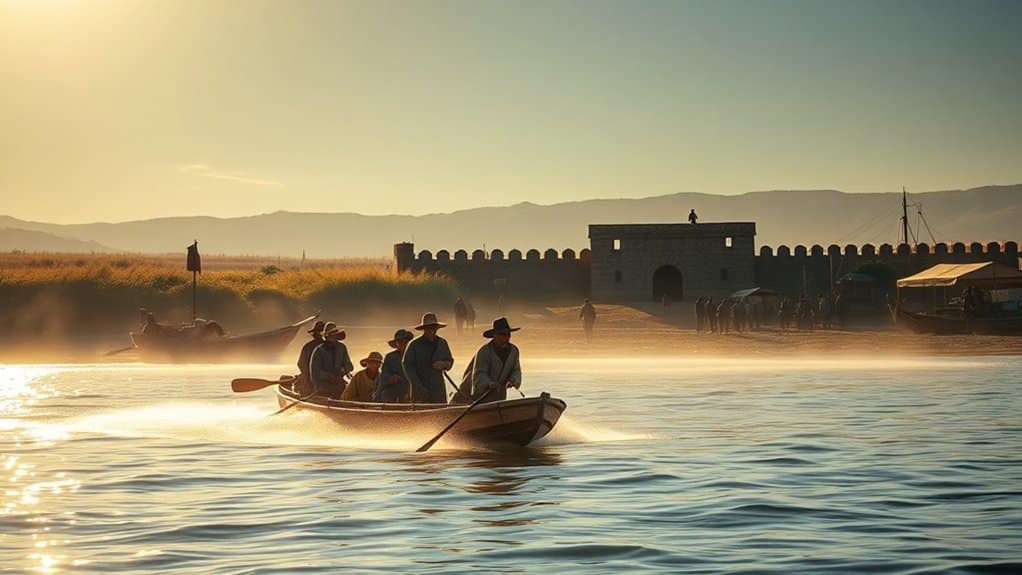
The early Banda Oriental was a meeting place for native groups like the Charrúas and Guaraníes, who shared stories and skills. Spanish and Portuguese adventurers arrived, chasing legends of gold and soon founded towns such as Montevideo and Colônia do Sacramento. Cattle arrived, reshaping daily life and trade, while colonial rules pushed Indigenous communities to the margins. How did these mixed influences set the stage for Uruguay’s later identity?
Uruguay Colonial History: Who First Lived Here?
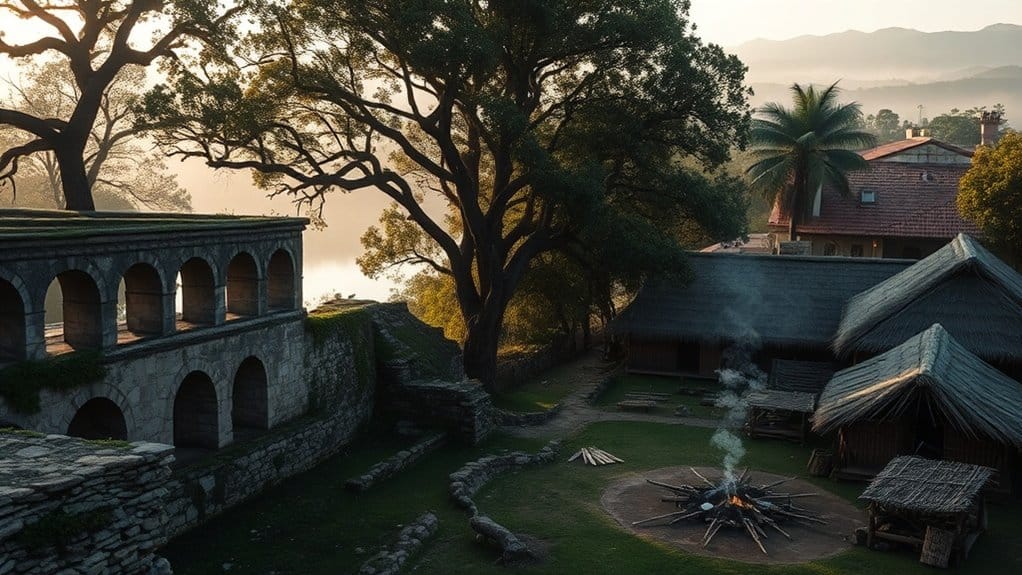
Who first lived in the land that later became Uruguay? Long before any flag was raised, diverse communities such as the Charrúas, Guaraníes, Chanáes and others called this place home. They formed Indigenous Alliances that shared food, stories and protection. When Spanish and Portuguese adventurers arrived, they brought cattle, sparking a Cattle Trade that reshaped daily life. The newcomers learned routes local groups already knew, and the land’s rhythm shifted toward ranching. Yet the spirit of freedom stayed alive in the hills and rivers, reminding everyone that the first inhabitants valued independence and community above all.
Uruguay Colonial History: How Guaraní Became the Lingua Franca?
After the first inhabitants settled the hills and rivers of what is now Uruguay, the Guaraní quickly became the common language for many. Travelers and traders found the Guaraní influence useful, and daily life turned into a lively cultural exchange. The individuals of each tribe learned to speak it, creating a shared voice across the region.
- Simple words spread through markets.
- Children learned it at home.
- Leaders used it for peace talks.
- Songs carried it across borders.
This collective tongue gave everyone a sense of freedom and belonging.
Uruguay Colonial History: 1516 Solís Expedition and the Gold Myth?
When Juan Díaz de Solís arrived on the banks of the Río de la Plata in 1516, his crew hoped to find glittering treasure hidden in the new lands. The Solís expedition chased a Gold myth that promised riches beyond imagination. Travelers imagined shining hills and rivers of metal, but the region offered only grasslands and rivers. Indigenous communities watched the strangers, noting their disappointment when no gold appeared. This early disappointment shaped Spanish policy, steering focus toward cattle and trade rather than mining. The myth faded, yet its story reminds us how hope can drive exploration, even when reality differs.
Uruguay Colonial History: Portuguese-Spanish Rivalry and Early Towns
Although the Spanish and Portuguese both wanted the land, they kept a careful distance, each building a town to protect its claim. Their rivalry sparked trade alliances and cultural exchanges that shaped early life.
- Colônia do Sacramento , Portuguese fort, 1680, a hub for river trade.
- Montevideo , Spanish settlement, 1726, a safe harbor for merchants.
- Fort San Miguel , a small post linking towns, encouraging shared festivals.
- Cross-river markets , where locals swapped goods, stories, and songs.
These towns grew side by side, each guarding freedom while learning from the other.
Uruguay Colonial History: 1603 Cattle Boom and Landownership
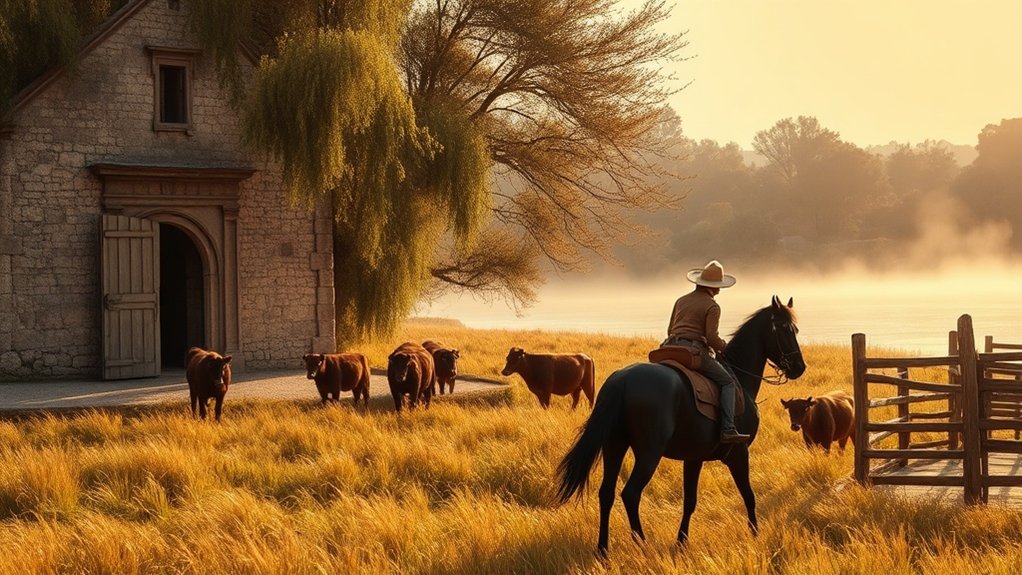
The arrival of cattle in 1603 sparked a quiet change across the Banda Oriental. Soon, the open plains filled with herds, and a new cattle trade began to pulse through the region. Small farms grew into larger estancias, and owners started to claim wide swaths of land. These claims often overlapped, leading to frequent land disputes that required negotiation or force. Settlers found freedom in the open range, yet the fight over who owned what lingered. The boom reshaped livelihoods, turning the once-quiet frontier into a bustling hub of opportunity and conflict.
Uruguay Colonial History: Viceroyalty’s Land, Labor, and Population System
Even though the Viceroyalty of the Río de la Plata was created in 1776, its reach over the Banda Oriental felt like a gentle hand guiding daily life. The new administration reshaped land ownership, labor dynamics, and population balance, offering a promise of order without crushing spirit.
- Large estates were granted to loyal estancieros, creating a clear hierarchy.
- Indigenous individuals were pushed into marginal work, while African slaves filled demanding roles.
- Montevideo grew as a hub, attracting merchants, soldiers, and families.
- Census records showed a modest but steady increase in free settlers, hinting at future autonomy.
These changes set the stage for a community that valued freedom while navigating imposed structures.
Uruguay Colonial History: 1831 Salsipuedes Massacre and Indigenous Decline
The years after 1800 saw the land’s owners grow richer while the native populations kept losing ground. In 1831 the Salsipuedes massacre shattered the last organized Charrúa bands, a brutal act that intensified cultural erasure and left Indigenous resilience barely flickering. Colonial legacies linger in historical narratives that often ignore this loss, making it hard for readers to see the true picture. Yet stories of survival persist, reminding us that freedom is built on remembering the past. By confronting these truths, we honor those who endured and keep their memory alive.
Uruguay Colonial History: Ranching’s Enduring Influence Today
When Spanish settlers brought cattle to the Banda Oriental in the early 1600s, the land quickly turned into a vast pasture that still shapes everyday life today. Their ranching heritage fuels modern Uruguay, offering economic resilience and a sense of freedom. The legacy appears in daily routines, festivals, and markets.
- Open fields host community rodeos that celebrate independence.
- Small farms sell fresh meat, keeping families strong.
- Urban cafés serve dairy drinks, linking city life to pasture roots.
- Tourism routes let visitors ride horses, feeling the historic spirit.
These simple threads weave a lively, enduring fabric.