
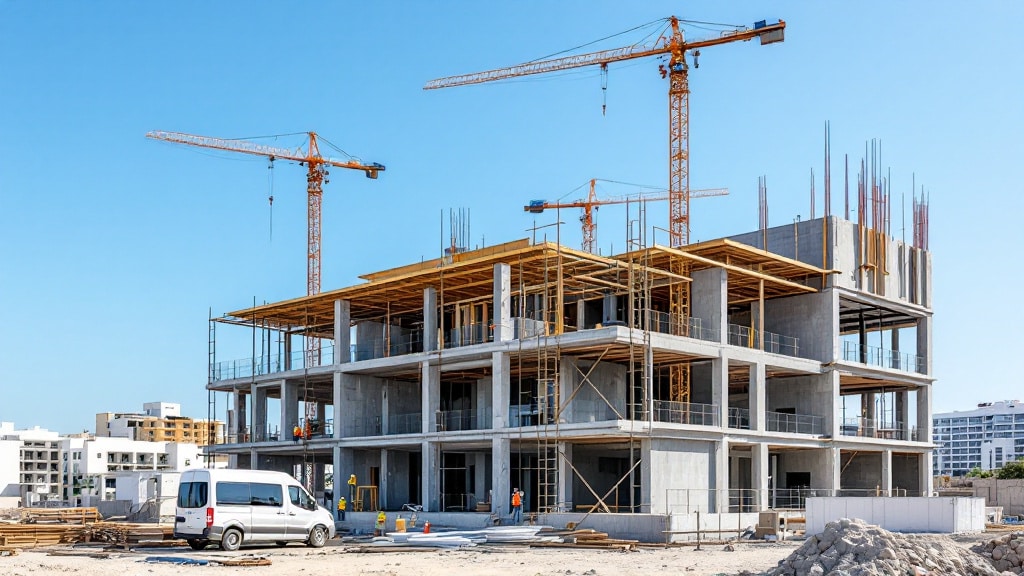
Uruguay’s industrial production has shown positive momentum, rising 4.8% year-on-year according to recent economic data. This indicator offers important context for anyone considering property investment, construction projects, or rental opportunities in Uruguay, as industrial output often correlates with employment levels, income growth, and demand for commercial and residential real estate.
Industrial performance serves as a bellwether for broader economic health. When factories and production facilities operate at higher capacity, construction materials see increased demand, workers earn steady incomes, and confidence in the property market typically strengthens. For foreign buyers and local investors alike, understanding these economic fundamentals helps inform decisions about when and where to enter Uruguay’s real estate market.
Economic Context for Property Investors
Industrial Growth and Construction Demand
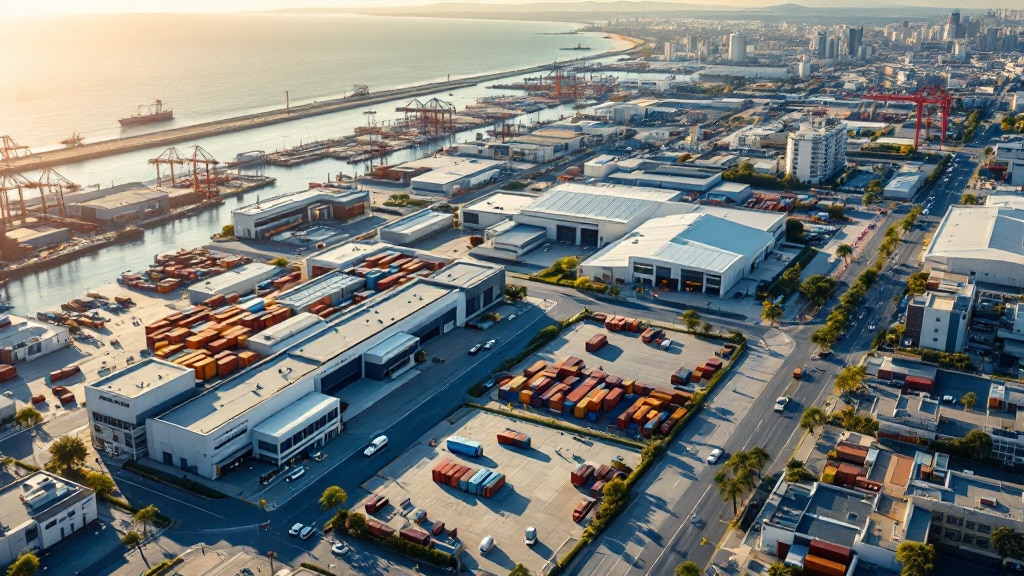
The 4.8% increase in industrial production reflects expanding manufacturing activity across Uruguay. This growth typically translates into higher demand for industrial real estate, warehouses, and logistics facilities, particularly around Montevideo and the Free Trade Zones near Colonia and the capital. Companies expanding production capacity often require additional space, driving commercial property values upward.
Construction materials production forms part of the industrial sector, meaning that rising industrial output can indicate both increased building activity and improved availability of cement, steel, and other materials needed for residential and commercial projects. For developers and individual buyers planning construction or renovation, this can affect both timelines and costs.
Employment and Rental Market Implications
Higher industrial production typically means more jobs in manufacturing, logistics, and related services. As employment rises, so does demand for rental housing near industrial zones and in commuter-friendly neighborhoods. Areas such as Ciudad de la Costa, Canelones, and the western Montevideo suburbs often see increased rental activity when industrial employment strengthens.
For landlords and investors in residential rental properties, industrial growth can support occupancy rates and justify modest rent increases, particularly for properties within reasonable commuting distance of major employment centers. The Vivienda Promovida program, which offers tax incentives for rental properties meeting certain criteria, becomes more attractive when tenant demand is robust.
Practical Considerations for Buyers and Tenants
Regional Property Market Effects
Industrial production gains do not affect all regions equally. Montevideo and its metropolitan area, which concentrate most of Uruguay’s manufacturing activity, tend to see the most direct impact on property values and rental demand. Coastal resort areas like Punta del Este and José Ignacio respond more to tourism and international buyer sentiment than to domestic industrial indicators.
| Region | Industrial Exposure | Property Type Impact | Investor Profile |
|---|---|---|---|
| Montevideo | High | Residential, Commercial | Local, Expat |
| Canelones | Medium | Residential, Industrial | Local, Developer |
| Punta del Este | Low | Vacation, Luxury | International |
| Colonia | Medium | Commercial, Tourism | Mixed |
Financing and Tax Considerations
Economic growth supported by industrial production can influence mortgage availability and interest rates. When the economy expands, banks may offer more competitive financing terms for both residential and commercial properties. Foreign buyers should note that Uruguay requires no residency for property ownership, but establishing tax residency can provide benefits under the Vivienda Promovida program if investing in qualifying rental properties.
Property taxes in Uruguay remain relatively low compared to regional neighbors, with annual rates typically between 0.25% and 1.4% of assessed value depending on location and property type. Industrial growth that lifts overall economic performance can support municipal budgets without requiring sharp tax increases, maintaining Uruguay’s competitive position for international investors.
Long-Term Property Value Outlook
Sustained Growth Versus Volatility
A single quarter or year of industrial production growth does not guarantee long-term property appreciation, but consistent economic performance over multiple years builds confidence among buyers and developers. Uruguay’s relatively stable political environment and transparent legal system for property transactions make it less vulnerable to sudden market corrections than some regional markets.
Infrastructure Investment Signals
Industrial expansion often precedes or accompanies infrastructure improvements. Road upgrades, port expansions, and utility investments that serve manufacturing facilities also enhance nearby residential areas. The government’s infrastructure spending plans, which respond partly to economic indicators like industrial production, can create opportunities in currently underdeveloped areas with good access to employment centers.
For long-term investors, monitoring industrial production trends alongside infrastructure announcements provides information about which neighborhoods and municipalities may see the strongest property value growth over the next five to ten years. Areas currently classified as semi-rural but within 30 minutes of major industrial zones may offer the best risk-adjusted returns as Uruguay’s economy continues to develop.
Quellen
- September industrial production rises 19 percent – Taipei Times
- La producción industrial cayó 3,4% interanual y sigue lejos de los niveles de años anteriores
- El dato industrial que anticipa la recesión – El Cronista
- Uruguay Culture, the Key Figures to Know in 2026 | The Rio Times
- DAILY DISPATCH – by Alberto Ades – Daily Dispatch