
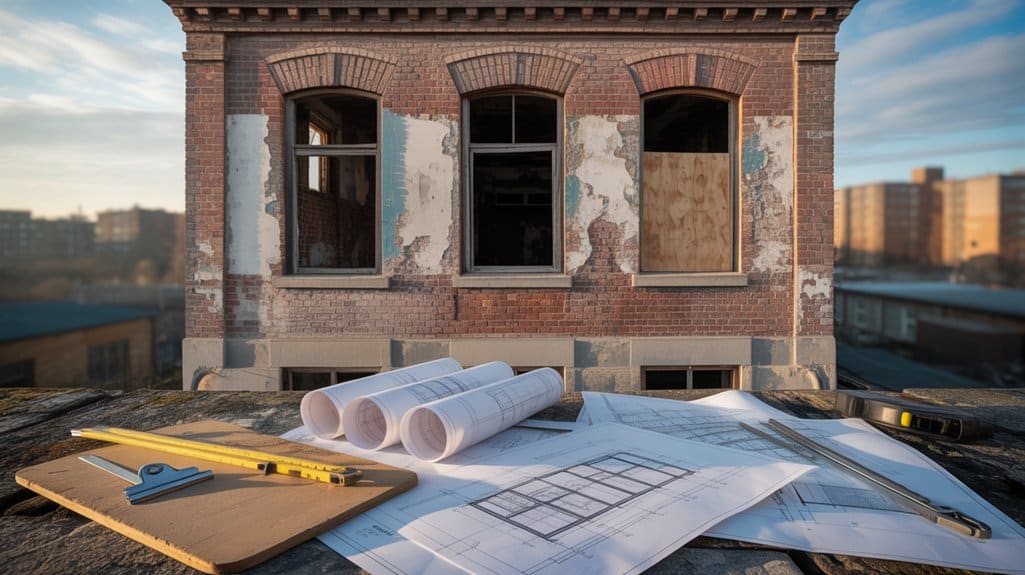
Vacant lots and abandoned buildings scattered across Montevideo and other Uruguayan cities quietly erode property values, discourage investment, and create security concerns for surrounding neighbors.
What many property owners and local investors don’t fully appreciate is that these spaces carry real, recoverable potential, and Uruguay’s legal and urban framework actually makes recovery more accessible than in many other Latin American countries.
The Ministerio de Vivienda y Ordenamiento Territorial has programs specifically designed to reintegrate neglected urban properties into productive use, whether as social housing, commercial developments, or community spaces.
Knowing which instrument applies to your situation, a subsidized rehabilitation loan, a public-private partnership, or a direct municipal acquisition process, is where the real work begins, and where having the right guidance saves considerable time and money.
Neighborhoods like Barrio Sur, Aguada, and parts of the Ciudad Vieja in Montevideo are textbook examples of areas where forgotten properties have been transformed into rental income generators or sold at strong margins after strategic renovation.
The same pattern is emerging in cities like Salto and Paysandú, where land prices remain low enough to make rehabilitation genuinely profitable.
The practical starting point is a clean title review.
Uruguay’s property registry system is reliable, but abandoned properties frequently carry tax debts to the DGI or the Intendencia, and those obligations transfer with ownership.
Sorting that out early protects your investment and opens the door to financing options that would otherwise be unavailable.
Key Takeaways
Working with land banks has proven to be one of the most effective starting points for recovering tax-delinquent properties in Uruguay. These institutions handle the legal cleanup , removing encumbrances and clearing title issues , and then reintroduce properties to the market through structured resales or partnerships with developers. It’s a clean process when managed well, and it removes the uncertainty that usually keeps private buyers on the sidelines.
Before any decision is made about what to do with a vacant property, a proper assessment is essential. Structural condition, local security dynamics, and real market demand in that specific neighborhood all need to be on the table. In Montevideo’s peripheral zones, for example, what works in Pocitos rarely applies in Casavalle, and treating them the same way is a costly mistake.
The possibilities for these properties are broader than most people assume , green spaces, infill housing, and mixed-use developments are all viable, depending on what the surrounding neighborhood actually needs and where it’s heading.
Uruguay already has solid tools to attract the right developers. COMAP, for instance, offers meaningful tax incentives that make restoring neglected properties financially attractive for investors who are genuinely committed to a project, not just looking for a quick return. Knowing how to present a property within that framework can make a significant difference in who comes to the table.
Getting residents involved early , through meetings, surveys, or working groups , shapes better projects. Communities that feel heard tend to support redevelopment rather than resist it, and that buy-in is what turns a one-time intervention into lasting neighborhood recovery.
Why Abandoned Properties Destroy Neighborhoods and Who Pays
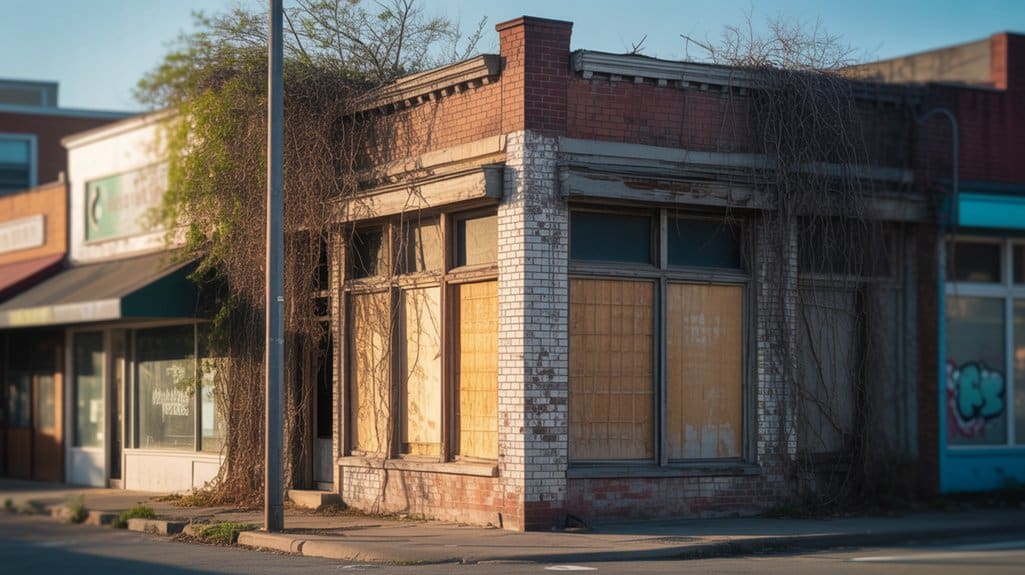
Vacant properties in Uruguay cause far more harm than people typically assume, and the effects rarely stay contained to the empty building itself. In cities like Montevideo, Salto, or Paysandú, abandoned homes often harbor mold, lead paint, and deteriorating asbestos , materials that quietly affect the respiratory health of neighboring families over time. Beyond the physical risks, living next to a boarded-up property or an overgrown lot takes a real psychological toll. Residents report increased stress, persistent sadness, and a general sense of unease that accumulates when a neighborhood visibly deteriorates around them.
Crime patterns shift as well. Unsecured vacant buildings tend to attract drug activity and vandalism, and this isn’t unique to large capitals , mid-sized Uruguayan cities with declining industrial zones have seen similar dynamics play out in their most affected barrios. Once a block starts concentrating abandonment, the surrounding streets feel it too. Research from cities in the United States found that the 13 wards with most abandoned properties generated half of all violent crime recorded across Chicago.
What’s easy to overlook is who actually absorbs the financial damage. Municipal governments , already stretched thin in many departamentos , end up spending on demolitions, safety interventions, and basic maintenance of properties that generate little to no tax revenue. Property values in surrounding blocks quietly erode, compounding the loss. In a market like Uruguay’s, where real estate has historically held strong as a wealth-preservation tool, that erosion matters more than most buyers and sellers initially recognize.
Abandoned buildings don’t stay passive , they actively reshape the stability and long-term value of the communities around them.
How Land Banks Turn Tax-Delinquent Properties Into Assets
En Uruguay, una propiedad abandonada no tiene por qué ser un problema sin solución. Los bancos de tierras , organismos públicos especializados, existen precisamente para intervenir cuando un inmueble acumula deudas fiscales y ningún privado quiere hacerse cargo. Su función es clara: absorben esos activos problemáticos, sanean su situación legal y tributaria, y los reintegran al mercado en condiciones viables.
Vale entender cómo funciona esto en el contexto local. Uruguay tiene una institucionalidad bastante ordenada en materia registral y catastral, lo que facilita que estos organismos trabajen con precisión sobre cada título. Una vez que el banco de tierras toma posesión, limpia los gravámenes acumulados , muchas veces años de adeudo ante la DGI o la Intendencia, y convierte lo que era un pasivo urbano en una oportunidad concreta para vivienda, emprendimientos o espacios comunitarios.
Lo que distingue a este mecanismo es su capacidad de transformar zonas estancadas. En barrios de Montevideo o en ciudades del interior donde los terrenos baldíos afectan el entorno y frenan la inversión, esta herramienta puede reactivar manzanas enteras. A nivel global, la falta de recaudación del impuesto predial representa entre 3 y 6 mil millones de dólares en ingresos perdidos anualmente para gobiernos locales y escuelas. Si estás evaluando invertir en propiedades con historial fiscal complicado, conocer cómo operan estos organismos te da una ventaja real para identificar oportunidades antes de que lleguen al mercado convencional.
Land Bank Acquisition Process
A distressed, tax-delinquent property in Uruguay doesn’t have to stay that way , and understanding how the process works can save you a lot of time and frustration.
It typically starts when someone flags an eligible property, usually one that’s been sitting idle with unpaid taxes piling up. Before anything formal moves forward, staff verify the delinquency status. Once that’s confirmed, applicants prepare the necessary documentation , paperwork, affidavits, and purchase agreements , and submit everything to move the process along.
Acquisition happens through a judicial sale, and this is where things get genuinely interesting for buyers. The moment a land bank takes ownership, lien extinguishment kicks in, wiping away accumulated debts, back taxes, and prior claims. What you’re left with is a clean title , legally unencumbered and ready for transfer to a new owner.
In Uruguay’s property market, where title clarity carries significant weight in any transaction, this step is especially meaningful. Buyers here, whether local or foreign investors navigating the country’s relatively open real estate framework, need that certainty before committing.
The full journey runs somewhere between 12 and 18 months, so patience is genuinely part of the equation. That said, what you get at the end is a property completely freed from its past , no lingering claims, no legal shadows , and positioned to contribute to the surrounding community in a real, practical way. Land banks typically require investors to present and execute a redevelopment plan before the transfer is finalized, ensuring the property is put to productive use rather than left idle again.
Converting Properties Into Assets
Once a land bank secures clear title to a property here in Uruguay, that’s really when the interesting part starts. Each parcel gets looked at individually , can it support new construction? Could it generate rental income? Might it help a nearby business expand? These aren’t rhetorical questions; they shape every decision that follows.
Market conditions in Uruguay are specific, and you have to respect that reality. Working closely with city planners and local communities is essential, particularly in areas like Montevideo’s peripheral neighborhoods or smaller interior cities like Melo or Treinta y Tres, where demand patterns differ significantly from the coast. A parcel might become a side yard for an adjacent neighbor, or it could be repositioned as a productive community space , both outcomes carry genuine value depending on the location.
Financial incentives play a meaningful role in attracting serious buyers who can actually meet defined requirements. Environmental assessments, title clearances, and fair market valuations all move in sequence, which keeps transactions clean and legally sound , something especially important given Uruguay’s rigorous property registry system. Done right, this process takes land that was sitting idle and turns it into something that genuinely works for the people living around it. Land banks may also partner with affordable-housing developers and community land trusts to expand capacity and ensure revitalized properties remain accessible to lower-income residents.
How Cities Acquire Tax-Delinquent and Abandoned Properties
In Uruguay, when a property owner falls behind on taxes, the situation moves through a well-defined legal process that every buyer and investor should understand. The Dirección General Impositiva (DGI) and municipal governments, known as Intendencias, have clear authority to place embargos, legal claims, on properties where tax obligations remain unpaid. If the debt continues unresolved, the state can move toward a formal foreclosure process, ultimately transferring ownership away from the original titleholder.
What makes Uruguay’s system particularly worth knowing is the role that public institutions play once a property reaches that stage. Rather than leaving these assets idle, designated entities work to reintegrate them into productive use, whether through social housing programs, public infrastructure, or eventual resale. In Montevideo especially, this process connects directly with MVOTMA (Ministerio de Vivienda) initiatives aimed at addressing urban vacancy and housing shortages.
For anyone eyeing a property with a complicated tax history, the key step is running a thorough título check through the Registro de la Propiedad before committing to anything. Encumbrances tied to unpaid tributos inmobiliarios don’t disappear with a change of hands unless properly cleared, something that catches buyers off guard more often than it should. Working with a escribano público from the start keeps you protected and the transaction clean. In cases where the former owner has lost a property through this process, it is worth noting that any proceeds recovered above the value of the outstanding debt and authorized costs must, under equitable legal principles, be returned to the former owner rather than retained entirely by the state.
Tax Foreclosure Methods
Municipal property acquisition here follows a structured legal path , one that genuinely works in the owner’s favor if you understand how it unfolds. In Uruguay, two primary foreclosure methods define how this process moves forward:
- Non-Judicial Foreclosure , A tax lien is placed on the property and then offered at public auction.
- Judicial Foreclosure , The municipality seeks court approval before claiming title.
- Tax Deed Transfers , Unsold liens pass directly to the municipality.
- Direct Acquisition , Courts assign title for properties that have sat vacant over an extended period.
Each route carries its own specific steps, with mandatory notice periods and legally defined waiting windows built into the timeline. Uruguayan law typically allows owners up to two years to settle outstanding debts before a property changes hands , and that window matters enormously.
The system is deliberately unhurried, which reflects something important about how Uruguay approaches property rights. The *Dirección General Impositiva* and municipal governments don’t move quickly on these matters, and that measured pace gives owners a real opportunity to act. If you’re holding a property with tax arrears, that timeline is your most valuable asset right now , use it. Before the process advances further, owners can consult county tax or assessor records to review their full tax history, outstanding delinquencies, and any liens attached to the property.
Land Bank Acquisition
Land banks are worth understanding if you’re navigating Uruguay’s property market, particularly in areas where abandoned or tax-defaulted properties are more common. These are public organizations designed to collect neglected properties, clear their debts, and channel them toward buyers who will genuinely develop them , a practical tool for urban recovery in cities like Montevideo or even in secondary markets like Salto or Paysandú.
The mechanics work in Uruguay’s favor. Land banks can acquire tax-foreclosed properties before they ever reach public auction. When a property goes unsold at auction , which happens more often than people expect , it transfers directly to the land bank. That eliminates competitive bidding situations and the delays that drag out traditional foreclosure sales, which in Uruguay can stretch considerably given the legal processes involved.
What makes this model particularly relevant here is the financing component. Some programs offer land bank financing to help qualified buyers manage the purchase, which matters in a market where access to mortgage credit isn’t always straightforward. Properties move faster, neighborhoods stabilize sooner, and municipalities aren’t left maintaining vacant lots indefinitely.
For anyone looking at distressed or undervalued property in Uruguay, understanding how land banks operate gives you a real advantage. These acquisitions rarely appear in conventional listings, and knowing the acquisition pipeline means you’re positioned well ahead of the general market. A special commissioner may execute a deed directly to a land bank entity rather than proceeding to public auction when parcels meet specific delinquency criteria, including assessed values at or below set thresholds.
Demolish or Rehabilitate? Making the Call With Data
Deciding what to do with an abandoned property in Uruguay takes more than a gut feeling , it takes solid data. Whether you’re looking at a casona in Montevideo’s Ciudad Vieja or a neglected chacra in the interior, a well-structured cost-benefit analysis paired with a realistic risk assessment makes all the difference between a smart investment and a costly mistake.
Four factors consistently shape these decisions in the Uruguayan market:
- Property condition , Can the structure be saved, or has deterioration crossed the point of no return?
- Crime and social dynamics , Properties left vacant in neighborhoods like Casavalle or Cerro tend to attract illegal occupation, which compounds the problem quickly.
- Market demand , In low-demand areas like certain parts of Rivera or Artigas, rehabilitation costs rarely justify the return, making demolition the more practical call.
- Neighborhood vision , Whether the goal is affordable housing, green space, or managed urban shrinkage, that vision has to drive the numbers.
New Orleans offers a useful reference point , over 2,500 properties rehabilitated while 12,000 blighted ones came down, all guided by data. Uruguay’s own experience with Plan Juntos and Montevideo’s urban recovery programs tells a similar story. Communities that lean on real information reclaim their neighborhoods on their own terms, and that’s exactly the kind of outcome worth planning for. Blighted properties are estimated to number 16 million nationwide across the United States alone, a scale that underscores why data-driven prioritization is not optional but essential.
Parks, Infill, or Farms: Which Reuse Strategy Fits Your Vacant Land?
Choosing what to do with a vacant lot in Uruguay is one of those decisions that can define a neighborhood for decades, so it’s worth thinking through carefully.
Green spaces make a lot of sense on sites with soil contamination , something we see fairly often in former industrial zones around Montevideo and the interior. Once remediated, these lots become plazas, senderos, or wetland buffers that genuinely improve quality of life in areas that have gone without for too long. In a country where urban greenery is increasingly tied to property values, that’s not a small thing.
Infill development is where the real opportunity lies in Uruguay’s growing cities. Reclaiming urban land for housing or mixed-use projects reduces pressure on the periurban fringe , every consolidated urban hectare spares productive rural land from unnecessary fragmentation. Given Uruguay’s strong agricultural identity, that balance matters both economically and culturally.
For abandoned or degraded cropland , and there’s no shortage of it in the littoral and interior departments , agricultural restoration is often the most coherent path. Rebuilding soil structure and reintroducing native vegetation supports carbon sequestration while preserving the productive character of the land.
The right strategy really comes down to three things: the physical condition of the site, the surrounding density, and what the local community actually needs. Research indicates that abandoned land requires a minimum 50-year regeneration period to achieve carbon stocks and biodiversity levels comparable to intact ecosystems. In Uruguay, municipal data combined with neighborhood consultation through the *juntas locales* tends to surface the clearest answers.
Zoning and Tax Rules That Unlock Abandoned Property Redevelopment
Zoning rules and tax policies in Uruguay can look complicated at first glance, but they are genuinely some of the most effective tools available for bringing abandoned properties back into productive use. Anyone seriously considering redevelopment here should get familiar with how these mechanisms work together, because the opportunities are real.
A few key points worth understanding:
- Nonconforming sites can move forward with reconstruction if impervious surface coverage is reduced as part of the project.
- Special permits allow abandoned structures to reopen, subject to approval through the relevant zoning authority.
- Tax incentives are available to developers who commit to restoring neglected properties, particularly under Uruguay’s investment promotion framework managed by COMAP.
- Pre-existing use protections in Uruguayan urban planning law can shield certain facilities from newer zoning restrictions, permitting demolition and reconstruction under specific conditions.
Properties left inactive for two or more years often lose their protected legal status under local ordinances, which changes the calculation considerably. Knowing which protections still apply to a given site before signing anything is essential, and that is exactly where working with someone who knows the local regulatory landscape pays off. Uruguay rewards informed buyers and developers, and the legal framework, once understood, tends to open more doors than it closes. When replacement facilities are pursued, construction must begin within 30 months of damage or a taking to preserve eligibility under applicable protections.
How to Build Resident and Nonprofit Support for Demolition and Greening
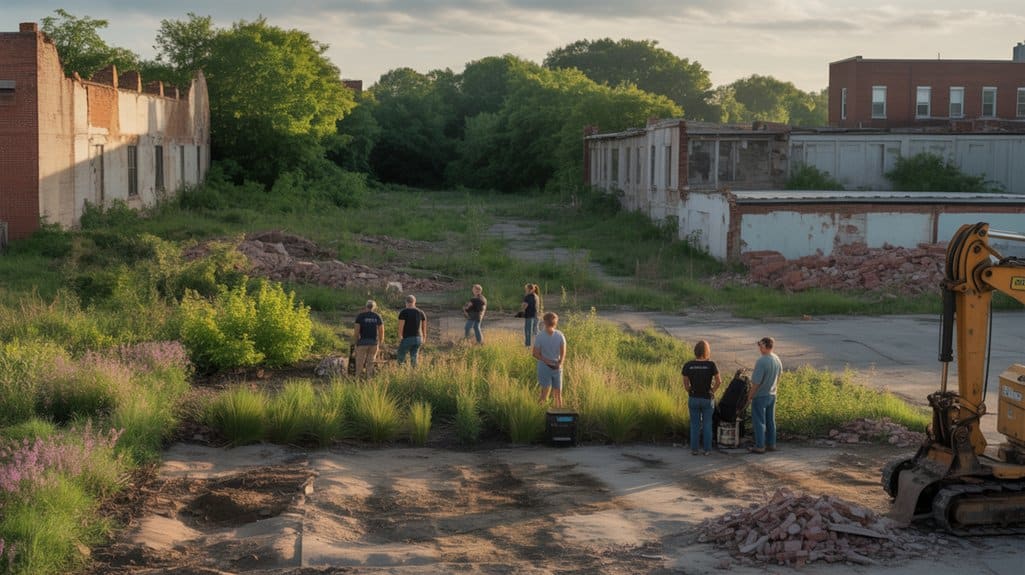
Bringing neighbors and local organizations into demolition projects early on makes all the difference, something I have seen play out time and again across Uruguay’s neighborhoods, from Montevideo’s Pocitos district to smaller inland communities like Trinidad. When residents have a real say in which properties come down and what fills that space afterward, the results tend to stick. Think green corridors, community gardens, or pedestrian paths that actually get used. In cities like Salto, community-guided site selection has turned neglected urban plots into breathing room that raises surrounding property values over time.
Partnering with local nonprofits strengthens these efforts considerably. Uruguay has a growing network of organizations focused on material recovery and circular construction, groups that salvage usable elements from demolished structures and redirect them toward community projects or affordable housing initiatives. Beyond materials, these organizations help bridge funding gaps that public budgets simply cannot cover on their own, keeping momentum going when bureaucratic timelines slow things down.
What I always tell clients is that trust is the foundation here, and you build it through straightforward engagement, neighborhood meetings, simple surveys, and honest conversations about what is actually planned and why. People who feel genuinely consulted become your strongest advocates rather than your loudest critics. Forming a demolition working group that brings together city departments, developers, neighborhood associations, and residents ensures decisions reflect both technical priorities and community concerns. In a market like Uruguay’s, where community identity runs deep and neighborhood character directly influences desirability, that kind of resident ownership over local transformation is not just good civics, it is good real estate strategy.
References
- https://www.huduser.gov/portal/publications/landbanks.pdf
- https://montrose-env.com/blog/strategies-to-revitalize-americas-abandoned-properties-and-legacy-neighborhoods/
- https://engagedscholarship.csuohio.edu/cgi/viewcontent.cgi?article=1173&context=urban_facpub
- https://pmc.ncbi.nlm.nih.gov/articles/PMC7440045/
- https://www.urban.org/sites/default/files/publication/100464/pfs_and_blighted_properties_0.pdf
- https://communityprogress.org/blog/vacant-properties-climate-resilience/
- https://www.877gethope.org/generated/uploads/frankel/Repurposing Strategies/Strategies – Incremental Repurposing/LukeWilkinson_GA Tech Vacant Property Strategies.pdf
- https://law.utexas.edu/wp-content/uploads/sites/11/2015/11/2007-12-ECDC-Building-Hope-Blighted-Properties.pdf
- https://imla.org/wp-content/uploads/2020/images/2011seminar/papers/imla2011neighborhoodstabilizationpaper.pdf
- https://www.route-fifty.com/management/2022/02/abandoned-properties-are-lot-more-eyesores/361973/