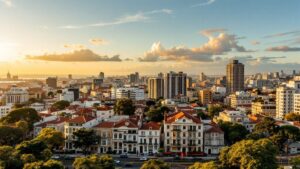
Plan Avanzar has been moving at a steady pace, and if you’re watching the Uruguayan housing market closely, this is worth your attention. The government’s $480 million commitment targeting 120 asentamientos and 15,000 families represents one of the more significant social housing pushes this country has seen in recent years, and its ripple effects touch more than just the families receiving keys.
Montevideo neighborhoods like Casavalle, La Unión, and Malvín Norte have already seen new units handed over, which matters for anyone tracking property dynamics in those zones. These aren’t areas to overlook , urban consolidation in historically informal settlements tends to shift surrounding land values over time, sometimes gradually, sometimes faster than people expect.
Bella Unión tells a slightly different story: 33 households in La Vía were relocated away from flood-prone land, which speaks directly to something seasoned buyers here already know , risk mapping in Uruguay’s river and coastal areas deserves serious consideration before any purchase.
Where things get murkier is on the financial side. Consolidated execution figures for the plan haven’t been made publicly available in any clear, centralized format, and that gap in transparency makes it harder to assess timelines and delivery commitments with confidence. For anyone whose investment decisions depend on infrastructure or neighborhood development schedules tied to this program, that’s a detail worth pressing on before signing anything.
Key Takeaways
Plan Avanzar represents one of the most significant housing commitments Uruguay has seen in recent years, backed by a declared $480 million investment that continues to translate into real results on the ground. If you’re tracking where the market is heading, this program is worth understanding closely , new homes are being delivered and formal deeds are being registered consistently across the country.
What makes this particularly relevant for families navigating property ownership is the regularization component. Informal occupation gets converted into documented land tenure, meaning families walk away with signed deeds and genuine legal protections. That shift from informal to formal title changes everything when it comes to property value, financing options, and long-term security.
Mevir’s role here is worth noting. The agency works directly with intendencias and the Ministry to combine new construction with on-site regularization, which keeps things practical and locally grounded rather than purely top-down. Uruguay’s interior departments benefit significantly from this model, and it’s something I’ve watched strengthen communities that previously had very limited access to formal housing structures.
The numbers speak to the program’s consistency , 3,193 new housing solutions were completed in 2022 alone, reflecting a delivery pace that serious buyers and investors should factor into their market read.
For anyone dealing with transfers or regularization paperwork, the local AVANZAR offices handle that process directly. Going through those channels builds clarity and keeps communication straightforward, which matters enormously when you’re formalizing something as important as property ownership.
What Is Plan Avanzar and Why It Matters Now
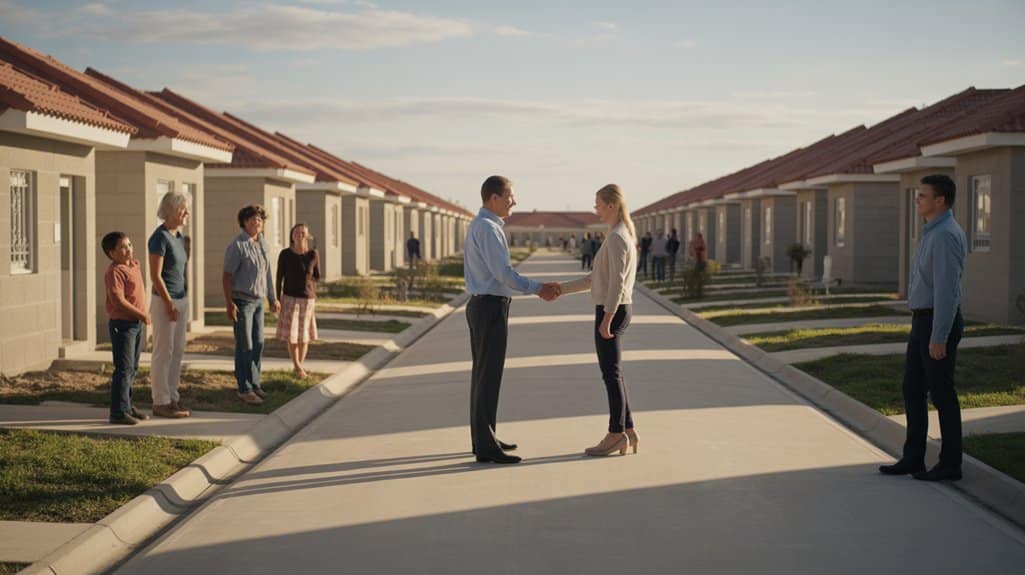
Uruguay’s housing crisis touches every corner of the country, and Plan Avanzar is the national government’s most serious attempt yet to address it head-on. The Ministerio de Vivienda y Ordenamiento Territorial, operating through Dinisu, leads the effort while coordinating with the Congreso de Intendantes and all 19 departmental governments at once , a level of institutional alignment we’ve rarely seen in this country’s approach to informal settlements.
The numbers alone tell you why this matters. Around 120 asentamientos and 15,000 families fall within its scope, and those households have been waiting far too long for real solutions. What sets this plan apart is its focus on integración urbana , not just building structures, but connecting families to services, infrastructure, and dignified living conditions they currently lack. That distinction is worth paying attention to, especially if you work in or around affected areas.
Community participation is built into the process, meaning residents have a genuine say in how their neighborhoods take shape. That kind of grassroots involvement tends to produce more durable outcomes, and from a market perspective, neighborhoods that develop with community buy-in tend to stabilize more predictably over time.
Backed by hundreds of millions in funding and structured across all 19 departments simultaneously, Plan Avanzar carries real weight. Those seeking more information or wishing to raise questions can do so directly, since the program’s offices keep regular business hours to assist the public. For anyone tracking Uruguay’s real estate landscape, this is the kind of intervention that reshapes entire zones , and that’s something worth keeping a close eye on.
How Plan Avanzar Funds New and Used Homes
Plan Avanzar backs its housing goals with real money , US$ 240 million in additional resources structured across several funding channels. CND received a US$ 11 million boost for 2022, PMB executes US$ 25 million in budgetary funds, and FISU channels the bulk at US$ 204 million. Each piece has a role, and together they form a subsidy framework designed to make credit genuinely accessible for Uruguayan families.
What makes this practical for buyers is how the support is structured on the ground. Non-reimbursable contributions can cover up to 30% of a home’s value, which meaningfully reduces the financial barrier at entry. From there, a 10% initial payment paired with 25-year financing gives families a manageable path forward , whether they’re purchasing new construction or an existing property.
In a market like Uruguay’s, where affordability has long been a real obstacle outside Montevideo and the major urban centers, this kind of structured access matters. In 2022 alone, 3,193 new housing solutions were completed nationwide, underscoring the program’s reach beyond the capital. The funding is there, the terms are reasonable, and families now have room to choose the option that fits their situation rather than settle for whatever they can reach.
New Homes Delivered Across Montevideo Neighborhoods
These deliveries under Plan Avanzar are worth paying close attention to, especially if you’re tracking how Montevideo’s residential landscape is shifting. Real change in this city doesn’t always come from headline numbers , it shows up street by street, neighborhood by neighborhood, and that’s exactly what we’re seeing here. The government has committed USD 2,600,000 toward this kind of housing effort, underscoring just how much weight these projects carry.
Casavalle is a good example. Twenty-six families from Complejo Independencia have moved into new units, which is a meaningful step in a rollout targeting 1,250 housing solutions for the area. Anyone familiar with that zone knows how long residents have waited for stable options, so each delivery carries real weight. La Unión followed a similar path, with 18 households now settled into horizontal duplexes featuring brick facades, aluminum fittings, and small front gardens. What makes those units stand out is that future residents shaped the design through community workshops , that kind of input tends to produce homes people actually maintain and value long-term.
Campo Galusso added 24 homes through a staged rollout deliberately tied to green infrastructure, which is smart planning given the flooding history in parts of greater Montevideo. Buyers and investors should take note when infrastructure and housing are developed together , it protects value down the line. Malvín Norte rounded things out with 27 families relocated from Progreso, using a mixed wood and traditional construction method that’s becoming more common across the metro area.
None of these projects fully close the gap between supply and demand, but each one represents a family trading uncertainty for a front door of their own , and that’s a foundation worth building on.
Bella Unión and the Interior Cities Get Their Turn
Bella Unión made a strong move on November 5, 2024, with 33 homes delivered to families from the La Vía settlement , and this is just the beginning. The full plan covers 133 households, breaking down into 55 new constructions and 78 regularizations for families already living within the settlement. Working alongside Mevir, this initiative is doing something that genuinely matters in the Uruguayan market: closing the gap between Montevideo and the interior, where housing access and legal tenure have historically lagged behind.
For anyone watching the interior market, that combination of new builds and on-site regularization is worth paying attention to. It signals a structured, phased approach rather than a one-off effort, which tends to produce more stable, lasting results for communities and surrounding property values alike. The project also brought 500 meters of new streets, sanitation networks, and 400 meters of potable water supply, all completed within 11 months of work.
Bella Unión’s First Housing Stage
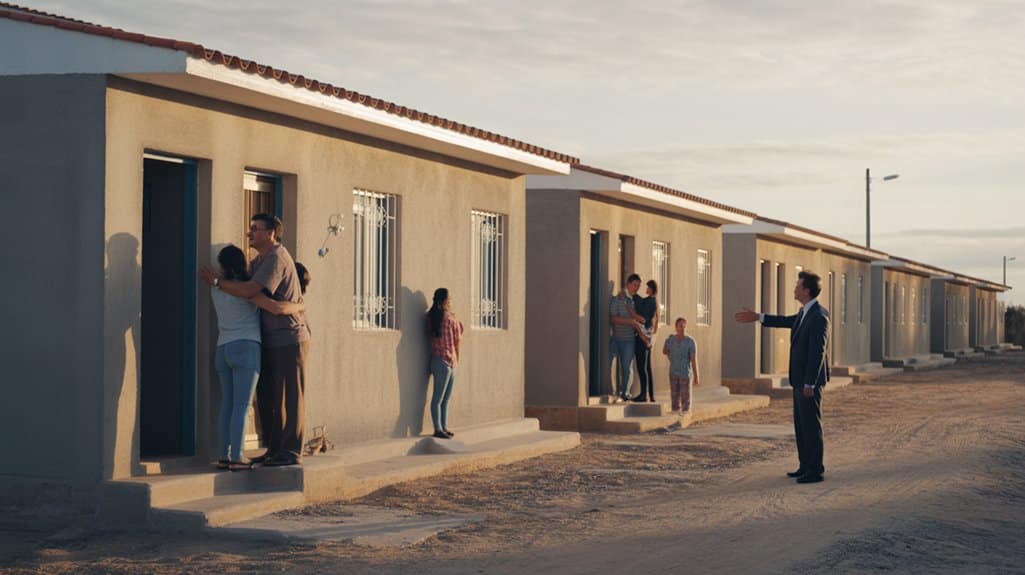
Bella Unión is now part of the growing list of interior cities benefiting from Plan Avanzar, and if you’ve been following housing development across Uruguay, you know this kind of milestone matters. Thirty-three families from the La Vía settlement have received their keys, marking the first stage of a commitment that covers 133 households in total. For anyone who has worked in this market as long as I have, you understand what years of waiting in a precarious settlement actually means for a family, and what finally holding those keys represents. Families can also complete related paperwork and inquiries through the local offices set up to support this transition.
- New homes handed over to families who had waited far too long for stability
- Solid, modest construction replacing what was once uncertain ground
- Infrastructure upgrades already planned for the surrounding streets
- A neighborhood actively building its social fabric, one block at a time
- La Vía transforming gradually, with each home delivering real change
The remaining 78 households will move through a regularization process rather than new construction, which is actually the smarter path for urban integration at this stage. Regularization done well anchors communities, clarifies property rights, and builds lasting value in ways that benefit both residents and the surrounding area. Bella Unión has real potential, and this program is laying the kind of groundwork that experienced buyers and local families should be paying close attention to.
Interior Cities Receive Deliveries
Plan Avanzar’s footprint across Uruguay’s interior is something worth paying close attention to if you’re thinking beyond Montevideo. Twelve localities, twenty programs, and more than 4,000 residents directly in scope , those are numbers that carry real weight in a market that’s historically undervalued interior opportunities. Artigas, Salto, Colonia, Durazno, Flores, Treinta y Tres, and Río Negro are all active under the plan, which tells you this is structured investment, not political optics.
What makes this particularly interesting from a real estate standpoint is the role of local governance. Intendencias are working alongside Mevir and the Ministry, which keeps projects moving without the usual bottlenecks that come with centralized decision-making. That kind of institutional alignment tends to produce steady delivery cycles, and steady delivery cycles matter when you’re evaluating medium-term value in a given market.
Bella Unión, Florida, Canelones, and Paysandú are part of that same accelerated pipeline, so the activity isn’t concentrated in one or two departments , it’s genuinely distributed.
| Department | Focus | Status |
|---|---|---|
| Artigas | Regularization | Ongoing |
| Salto | New housing | Ongoing |
| Colonia | Mixed model | Active |
Colonia’s mixed model is worth noting separately, given its existing demand profile from Argentine buyers and retirees. Regularization in Artigas and new housing in Salto point to different buyer profiles, but both reflect the same underlying reality: interior Uruguay is being taken seriously at a policy level, and that typically precedes market movement.
Regularizing Remaining La Vía Homes
La Vía, located in Bella Unión, is a community of 133 homes currently working through a structured plan that divides outcomes into two clear tracks: relocation for some families and regularization for the rest. Of those, 78 homes are set to remain in place, and that’s where the real work begins.
Keeping a home standing means very little in Uruguay’s property landscape without documented land tenure to back it up. A roof over your head is one thing, but legal title is what actually protects your investment and your family’s future. In my years working across Uruguayan real estate, I’ve seen firsthand how precarious informal occupation can be, no matter how long someone has lived somewhere.
Community engagement is central to this phase, and rightly so. Families need to feel confident in the process before putting pen to paper, and that trust gets built through consistent, honest communication.
- Signed deeds replacing years of uncertainty
- Families reviewing paperwork together at the table
- Neighbors cross-checking their legal standing
- Officials mapping boundaries along dirt paths
- Filed documents marking the end of long-held fears
The practical reality here is that regularization creates real, transferable value where there was none before. Once title is secured, these properties enter the formal market, opening doors to financing, inheritance rights, and genuine housing stability. That shift from informal to formal tenure is one of the most significant improvements a Uruguayan family can make to their long-term financial position.
Plan Avanzar’s Budget and Execution Numbers
Plan Avanzar carries a declared investment figure of 480 million dollars, and officials have positioned it as the largest initiative in Uruguay’s history focused on settlements. Work is running across all 19 departments at the same time, which tells you something about the scale they’re aiming for.
That said, anyone trying to verify how that money is actually moving will hit a wall pretty quickly. There’s no consolidated execution percentage available, no official cutoff date showing what’s been committed or paid out, and nothing separating what goes toward housing versus urbanization versus infrastructure. Timelines are missing entirely, so it’s genuinely unclear whether this budget covers a single year or stretches across several.
From where I sit, having worked through enough property transactions in this country to know how public investment shapes neighborhood values and buyer confidence, that kind of opacity matters. Buyers and investors look at government settlement programs as signals for where growth is heading, and Plan Avanzar is being cited in conversations about peripheral zones across Montevideo and beyond. When the numbers behind a program this size aren’t broken down in any verifiable way, it’s worth pausing before drawing conclusions about what it means for specific areas or timelines.
What’s been published reads more like institutional promotion than financial reporting. The gap between the announced ambition and the available data is real, and for anyone making decisions tied to where this investment actually lands, that distinction deserves attention.
Relocating Families From Asentamientos to Safer Ground
Families living in flood-prone asentamientos across Uruguay face real risks that go well beyond seasonal inconvenience , repeated flooding erodes property value, disrupts daily life, and makes long-term planning nearly impossible. Relocation programs like the one underway in El Progreso are worth paying close attention to, as they signal where government investment and infrastructure development are heading.
In El Progreso, 36 families have already settled into new homes in Malvín Norte, a neighborhood with solid urban infrastructure and better long-term prospects. The broader project is designed to serve 118 households in total, which tells you this isn’t a small-scale initiative , it’s a meaningful shift in how vulnerable communities are being repositioned within the city. Bella Unión has also entered its first housing stage, opening up another area where planned, permanent development is replacing precarious living conditions.
For anyone watching the Uruguayan market, these relocations tend to strengthen surrounding property values over time. Neighborhoods absorbing well-structured social housing projects often see improved services and connectivity, which benefits existing residents and new buyers alike. Keeping an eye on where these programs are expanding gives you a clearer picture of where stable, long-term growth is likely to follow.
Escaping Flood-Prone Zones
When a property sits in a flood corridor or on contaminated ground, the financial and personal costs compound quietly until they don’t. The Plan Nacional de Relocalizaciones exists precisely because Uruguay recognized that some families had been absorbing those costs for too long, in Montevideo and across interior cities alike. Toxic soil doesn’t respond to renovation budgets, and a house that floods repeatedly loses more than market value.
What I’ve seen across years of working in this market is that buyers and renters often underestimate how much location geology affects long-term quality of life:
- Riverbanks that look scenic in summer become front-door emergencies overnight
- Structural damage from contaminated runoff tends to appear gradually, then all at once
- Children in relocated communities gain access to green recreational spaces rather than proximity to drainage hazards
- Emergency packing before storm warnings becomes a seasonal ritual that no lease agreement accounts for
- Relocation programs deliver not just new housing, but foundations on ground that earns its price
Uruguay’s relocation framework gives affected families something that flood insurance and temporary fixes genuinely cannot: the ability to choose stable ground rather than negotiate with the weather every rainy season. That shift from reactive to deliberate is, in real estate terms, the difference between a liability and a home.
New Homes in Malvín Norte
Malvín Norte is worth paying close attention to right now. Nine families from the El Progreso settlement have already moved into new homes coordinated through Plan Avanzar and MVOT, working alongside Montevideo’s Intendencia , and that’s just the beginning. Of the 63 households scheduled for relocation, 36 will receive newly built units, with the remaining 27 accessing existing purchased housing. That distinction matters when you’re thinking about long-term value and stability.
What sets this apart from typical social housing is the construction approach. These homes are built with traditional materials and wood, designed for durability rather than as stopgap solutions , viviendas sostenibles in the truest sense. The community has also been actively involved throughout the process, which, from experience, tends to produce better outcomes for everyone, including the surrounding neighborhood.
The project is confirmed for completion in 2025, backed by over 128 million pesos in investment. For anyone watching Montevideo’s residential landscape, that level of institutional commitment signals genuine long-term development in this zone, not a one-off initiative. Malvín Norte has been quietly evolving for years, and moves like this tend to accelerate the kind of neighborhood consolidation that creates real opportunity for both residents and the broader market.
Bella Unión’s First Housing Stage
Flood risk doesn’t pause while paperwork catches up, and Bella Unión’s La Vía settlement is a strong reminder of why relocating families out of lowland zones matters so much in northern Uruguay. On November 5, 2024, 33 households received keys to new homes under a Plan Avanzar and Mevir partnership, the first stage of a broader plan covering 133 households in total. If you know this region, you know how long overdue this kind of move has been.
- Families relocated from flood-prone lowlands to stable, secure ground
- New keys in hand, with real security finally attached to them
- Homes sized to actual household needs, not the cramped conditions left behind
- Land tenure formalized for dozens of residents who lacked it
- A growing sense of community where there was once isolation
What’s worth noting here is that 55 new builds and 78 regularizations are still in progress. In Uruguay’s interior, where housing programs like Mevir have decades of track record working with rural and peri-urban populations, this kind of phased delivery is standard, and it works. Regularization isn’t just a legal formality , it’s what transforms a place to stay into a property with real value and real protections. That distinction matters enormously for any family planting roots in a place like Bella Unión.
References
- https://www.youtube.com/watch?v=IkXx1Vkm13A
- https://www.youtube.com/watch?v=BfSCUN5xyj0
- https://www.youtube.com/watch?v=GNUxZlsxXZ4
- https://www.gub.uy/presidencia/comunicacion/noticias/plan-avanzar-proyecta-90-avance-intervencion-asentamientos-durante-2024
- https://www.youtube.com/watch?v=6Wtl0w3umfo
- https://www.gub.uy/presidencia/comunicacion/noticias/ministerio-vivienda-entrego-10-soluciones-habitacionales-barrio-cotravi-0
- https://www.gub.uy/presidencia/comunicacion/noticias/nueve-familias-del-asentamiento-progreso-accedieron-viviendas-del-plan
- https://www.gub.uy/ministerio-vivienda-ordenamiento-territorial/comunicacion/noticias/plan-avanzar-entrego-33-viviendas-familias-bella-union
- https://www.youtube.com/watch?v=RqC42yzJXnk
- https://www.elpais.com.uy/informacion/politica/ministerios-de-desarrollo-social-y-vivienda-daran-100-viviendas-para-personas-en-situacion-de-calle