
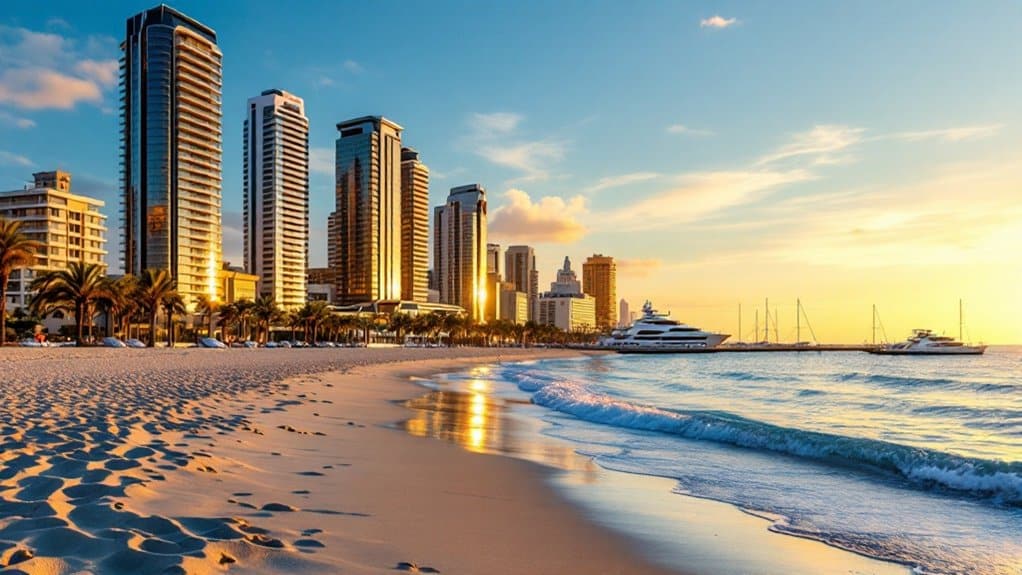
Punta del Este is no longer the market it was even ten years ago. The year-round population has nearly doubled, pulled in by permanent residents from Argentina, Brazil, and the United States who are prioritizing access to quality healthcare, reliable coworking infrastructure, and services that function consistently outside of January and February.
Bilingual school enrollment is growing at 20, 30% annually, which tells you something important , families are planting roots here, not just spending summers.
That shift changes how you approach buying and selling. Pricing strategies, neighborhood selection, and timing no longer revolve exclusively around the summer peak the way they once did. A well-positioned property in a zone with strong professional amenities now carries value in March just as it does in peak season, and that’s a meaningful change for anyone serious about this market.
The infrastructure is catching up, too. New coworking spaces, expanded medical facilities, and improved connectivity are concentrating in specific corridors, which is creating clear winners among neighborhoods. If you’re evaluating where to invest or list, those pockets of development deserve close attention , they’re where the year-round demand is anchoring itself.
Uruguay’s political stability and straightforward property ownership laws for foreigners have always made Punta del Este an attractive option, but this demographic evolution makes it a genuinely different opportunity than it was a decade ago.
The professionals moving here aren’t looking for a vacation home. They’re building a life, and the market is reflecting that.
Key Takeaways
Punta del Este is no longer the market it was ten years ago, and that shift matters if you’re thinking about buying or selling here. The year-round population has nearly doubled over the last decade, with Argentine, Brazilian, and American residents leading that growth. These aren’t seasonal visitors , they’re people putting down roots, and the market is responding accordingly.
What’s driving demand has changed considerably. Healthcare access, coworking infrastructure, and reliable everyday services have become the real deciding factors for buyers. The old seasonal tourism model still exists, but it’s no longer the engine it once was. Families relocating permanently are pushing bilingual school enrollment up by 20 to 30 percent annually, which tells you a great deal about the long-term nature of this trend.
La Barra is a clear example of where things are heading. Its active season now stretches well into late February, a direct reflection of gentrification pulling the area toward permanent professional living rather than short-term holiday use. If you watched that neighborhood ten years ago and compare it to today, the difference is striking.
For anyone with property to sell, the implications are real. Continuous market activity throughout the year means positioning a listing around a narrow seasonal window is no longer the strongest strategy. Buyers are present and active in months that were once considered off-season, and pricing accordingly gives you considerably more leverage than waiting for the traditional summer rush.
Why Punta Del Este Is Becoming a Year-Round Destination
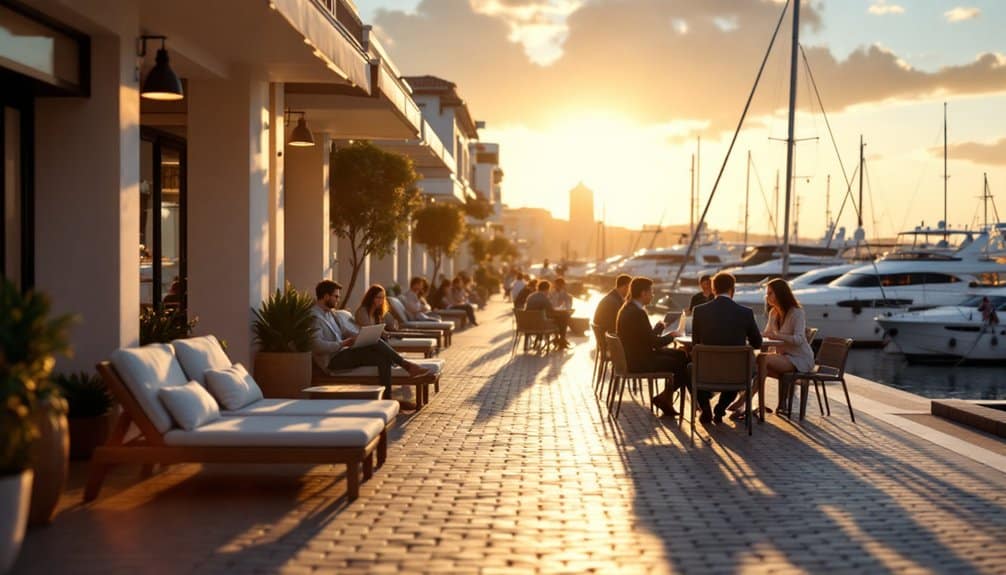
The numbers here don’t lie, and after years of watching this market, I can tell you the shift is real. Punta del Este’s year-round population has nearly doubled over the past decade, and these aren’t seasonal visitors waiting out the winter , they’re permanent residents building lives here. Argentina, Brazil, and the United States lead the wave, with Spain and the United Kingdom adding smaller but steadily growing communities to the mix.
What that means for the market is straightforward: affluent buyers aren’t shopping for a summer escape anymore. They want properties that make sense in July just as much as January, and they’re asking harder questions before they sign anything. Healthcare access, reliable coworking spaces, consistent services , these are the details that close deals now, not proximity to the beach alone.
Expat integration has become a genuine driver of how development decisions get made in this city. Developers who understand that are building accordingly, and buyers who understand it are positioning themselves well. Local bilingual school enrollment has even been climbing by 20-30% annually as more families settle into the area permanently. Punta del Este is redefining itself around function and long-term livability, which is exactly the kind of foundation that supports strong, stable property values over time.
Punta Del Este Real Estate Prices Keep Climbing
Prices in Punta del Este have climbed roughly 10% over the past year as of mid-2025, maintaining that pace through September, which tells you something important about the market’s momentum. Luxury and beachfront properties pushed even further, exceeding 12% annual growth, and José Ignacio’s median house price reached $1,600,000, the highest figure across the entire region right now.
The broader market sits at a median near $220,000, though beachfront demand pulls averages up to around $350,000, so where you buy matters enormously. Foreign capital accounts for 75% of luxury transactions, with Americans and Europeans leading the charge, yet despite that concentrated buying pressure, volatility stays remarkably low. Value here is anchored in location, not speculation, which is precisely what makes this market behave so differently from others in the region.
La Barra commands a significant premium, while San Carlos runs about 65% lower, meaning the price spread across neighborhoods gives buyers at every budget a genuine entry point. What drives the consistency is straightforward: people are putting down real roots here, not flipping assets, and that foundation keeps the market grounded. This shift is reinforced by prime property scarcity in areas like Península, Playa Brava, and Playa Mansa, which continues to support values even as overall sales slow.
For anyone watching from the sidelines, the data points in one direction. Decisive buyers have consistently come out ahead in this market, and nothing in the current figures suggests that dynamic is about to change.
Why International Buyers Dominate Punta Del Este’s Luxury Market
Foreign investors account for roughly 75% of luxury purchases in Punta del Este, and after years of working this market, that figure makes complete sense. Buyers aren’t simply drawn to the coastline , they’re looking for tax stability, genuine security, and a reliable place to protect long-term wealth. Argentines and Brazilians lead the pack, though North Americans and Europeans have been showing up in growing numbers, largely because Uruguay offers something rare: consistent political governance and no restrictions on foreign ownership. The investment process itself is refreshingly simplified, with no need for local trustees or complex legal structures to complete a purchase. When you combine financial strategy, political confidence, and quality of life into a single decision, it’s no surprise that international capital shapes this market far more powerfully than local demand ever could.
Global Buyer Profiles And Motivations
International buyers dominate Punta del Este’s luxury market for reasons that go well beyond lifestyle appeal. The buyer breakdown tells the story clearly: 33% South American, 25% Uruguayan, 22% North American, and 20% European, with foreign investors accounting for 75% of luxury purchases. Argentines and Brazilians laid the foundation decades ago, and now North Americans and Europeans are entering the market with serious intent.
What consistently drives these buyers is the need for control over their capital. They’re drawn to Uruguay’s political stability, dollar-denominated transactions, and legal transparency , protections that simply don’t exist at the same level in their home markets. Currency volatility and regional unpredictability are real concerns for this buyer profile, and Uruguay offers a credible alternative. New residents can even benefit from an 11-year tax holiday on foreign passive income, adding a powerful financial incentive to the equation. The decision to purchase here is rarely about luxury for its own sake. It’s about placing capital in a jurisdiction with genuine rule of law and measurable yield potential, which is exactly what a mature, well-regulated market like ours delivers.
Cross-Border Investment Appeal Factors
Regional instability has a way of sharpening focus, and that’s exactly when Uruguay’s legal and fiscal framework starts to stand out from the rest of the region. One of the first things I tell buyers is that you don’t need to establish residency before purchasing here , the entire transaction can be completed from abroad, which removes a significant barrier that other markets simply don’t address well. Local institutions also make the process easier by offering financing options for non-residents, with bank loans available for up to 15 years.
Tax residency works independently from legal residency, and that flexibility matters more than most people initially realize. It gives investors room to structure their position without being locked into obligations they didn’t sign up for. Every transaction runs through a transparent legal system that protects both parties, so there are no surprises buried in the fine print once the deal moves forward.
The fiscal incentives are where things get particularly interesting. Investments near the $2.4 million threshold qualify for a 10-year tax holiday, followed by a 50% reduction on rental income tax once that period closes. For anyone who has watched the rules shift unpredictably in neighboring markets, that kind of long-term certainty is genuinely difficult to walk away from. Uruguay doesn’t change the terms midway through , and after years of working in this market, I can tell you that consistency alone is worth factoring into the decision.
How Infrastructure Investment Is Reshaping Punta Del Este
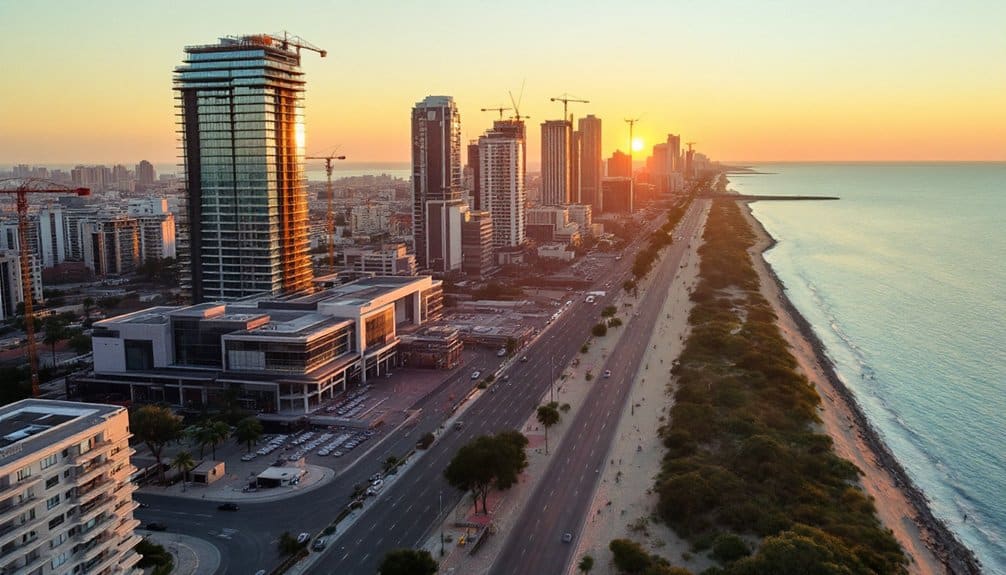
Infrastructure investment isn’t just supporting Punta del Este’s shift toward a year-round market , it’s actively redrawing the map of where demand is concentrating. Projects like the $500 million Cipriani Resort, Residences and Casino are anchoring a new wave of supply across La Barra, Manantiales, and Roosevelt, and what’s happening in La Barra in particular tells you a lot about where this market is heading. Gentrification there reflects a genuine move toward permanent, professional living, not just seasonal activity.
The ambition to position Punta del Este as a regional financial hub is no longer just talk. Improved connectivity, expanded services, and infrastructure that increasingly holds its own against other top luxury destinations in South America are giving that vision real credibility. Buyers who understand this city’s trajectory recognize that what’s being built right now isn’t simply adding inventory , it’s redefining which neighborhoods and asset types will lead the next cycle of appreciation.
Major Development Projects
Cranes now define the skyline where empty lots stood just a few years ago, and the capital flowing into these projects signals something worth paying attention to. The Cipriani Resort, Residences and Casino alone carries a USD 500 million price tag, delivered across three luxury towers built for buyers who won’t settle for less. Close to a dozen additional projects pushing near the 100-meter mark bring another USD 300 million into the equation , figures that reflect genuine conviction from developers who know this market.
New construction now accounts for 20-25% of active listings, which tells you developers aren’t waiting around. What’s also shifted is the amenity standard: co-working spaces, heated infinity pools, and around-the-clock bilingual concierge service have moved from selling points to baseline expectations. Buyers coming into Punta del Este today are sophisticated, and developers are building accordingly.
Playa Brava, Playa Mansa, and the peninsula remain the focal points for vertical development, and nothing on the horizon suggests that’s changing. If you’re evaluating where density and long-term value are converging along this coastline, these corridors deserve serious attention.
Gentrification In La Barra
La Barra moves to a different rhythm than the high-rise energy shaping Playa Brava and Playa Mansa, though the same investment logic applies: infrastructure unlocks value. Sewage systems, paved road access, and reliable energy grids have quietly transformed what was once a seasonal outpost into a functioning semi-permanent community, pushing the active season from December 20 through to the end of February.
That extended window has not gone unnoticed. Lifestyle migrants from Brazil, Argentina, and across Europe are acquiring here, pulled in by the surf culture and a social scene that rewards being present. Glass-and-concrete villas are going up alongside renovated casitas, and annual price appreciation has been running between 7% and 10% , consistent enough to take seriously.
Worth watching closely, though, is what that growth is costing the area’s identity. Galleries and creative locals are already feeling the squeeze, and the bohemian texture that made La Barra magnetic in the first place is under real pressure. These socio-cultural shifts tend to be gradual until they aren’t, and by the time the character of a place is gone, the window to buy into what made it special has usually closed too. If the lifestyle here is part of the draw for you, the time to move is before the polish fully replaces the patina.
Building A Financial Hub
Locals keep reaching for the word “momentum,” and the numbers genuinely support it. The World Trade Center Free Zone project has $75 million in committed capital behind it, a 27-story tower with over 12,700 square meters, 22 floors of dedicated office space, and more than 1,400 jobs expected once it wraps up in Q3 2025. This isn’t speculative construction , it’s a calculated move to capture growing demand in financial services.
What makes Uruguay particularly compelling here is the regulatory environment. The free trade zone framework gives international companies real, tangible advantages, and when you pair that with the country’s political stability and consistent fiscal policy, the case for establishing a presence in Punta del Este rather than elsewhere becomes hard to dismiss. Companies aren’t just looking for square meters , they’re looking for the kind of legal and economic predictability that Uruguay has quietly built over decades.
The location at Gorlero and 23rd Street matters too. That stretch already carries the city’s commercial weight, so the tower isn’t trying to create activity where none exists , it’s anchoring itself to where business already moves. For any investor or company evaluating their options in the Southern Cone, that combination of strong fundamentals and a well-chosen address deserves serious attention.
What Rental Yields Look Like in Punta Del Este
Rental yields in Punta del Este tell a more nuanced story than most buyers expect when they first start looking at the numbers. Gross yields on standard annual contracts typically land between 5.5% and 6.0%, with the broader market ranging from 4.5% to 7.0% depending on unit type and location. That spread matters, and understanding where your specific property sits within it is essential before making any commitment.
Net returns for foreign owners generally settle between 3.5% and 4.2% once you factor in taxes, maintenance, and administration fees. Uruguay’s rental income tax for non-residents runs at 10.5%, and property management fees in Punta typically add another 8% to 10% on top of that , figures that can surprise buyers who only looked at the gross headline number.
Property type plays a bigger role in yield than most people initially realize. Luxury houses in premium areas like La Barra or José Ignacio barely clear 2.5%, while compact studios in non-premium zones can push past 7%. The math behind that gap comes down to purchase price relative to achievable rent, not prestige or desirability.
Short-term rentals through platforms like Airbnb add another layer of complexity worth thinking through carefully. Seasonal income in Punta swings significantly , strong returns during the January and February peak, and real vacancy pressure from April through November. Gross yields through short-term platforms range from 1.5% to 5.5%, with the higher end requiring consistent management, smart pricing, and an honest read on your tolerance for off-season gaps.
Annual contracts offer predictability. Short-term rentals offer upside with strings attached. Knowing which model fits your financial goals before signing is the difference between a smart buy and an expensive lesson.
How Long Homes Really Sit on the Market in Punta Del Este
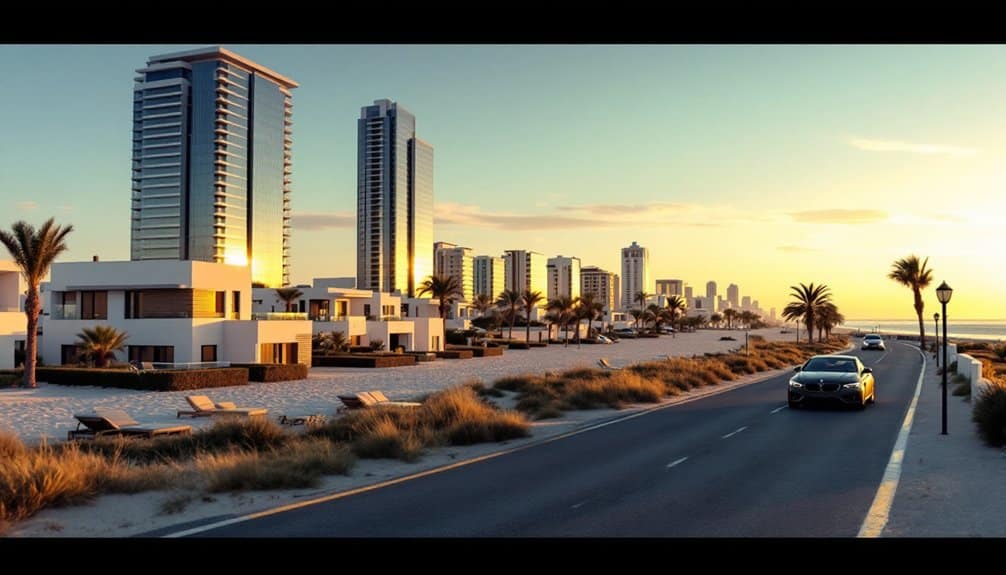
Punta del Este moves at its own pace, and knowing that before you list can save you a lot of frustration. Apartments typically spend between 120 and 140 days on the market, while houses tend to sit closer to 170 days. Those numbers catch a lot of sellers off guard, especially ones coming from faster-moving markets.
That said, not every property waits that long. Beachfront units in sought-after neighborhoods like Punta Shopping or La Barra can close in 30 to 60 days when they’re priced right. The properties that drag past 200 days usually have a specific reason holding them back , strong wind exposure, high maintenance fees, or title complications that make buyers nervous. Those issues don’t kill a sale, but they do slow everything down considerably.
Seasonality shapes this market in a way that’s easy to underestimate. Many owners rent their properties through the summer high season rather than list them, which means a wave of new inventory hits around March when the tourists leave. If you’re a buyer watching the market, that’s often when your options open up. If you’re selling, it’s worth thinking about whether holding through summer makes financial sense or just delays an inevitable negotiation.
Buyers here consistently negotiate around 6% off asking price, so building that into your strategy from the start is just practical. The sellers who do well in Punta del Este aren’t the ones rushing , they’re the ones who understand the rhythm of the market and position themselves accordingly.
References
- https://www.realestate-in-uruguay.com/blog/punta-del-este-real-estate-year-round/
- https://www.unwto.org/archive/americas/press-release/2014-11-06/punta-del-este-365-unwto-launches-first-prototype-overcome-seasonality
- https://thelatinvestor.com/blogs/news/punta-del-este-real-estate-market
- https://thelatinvestor.com/blogs/news/punta-del-este-good-time
- https://www.realestate-in-uruguay.com/de/blog/jenseits-des-sommersandes-der-immobilienmarkt-von-punta-del-este-entwickelt-sich-zu-einer-ganzjaehrigen-globalen-anlageoase/
- https://www.nicolasdemodena.com/blog/punta-del-este-prepares-for-a-strong-rental-season-high-demand-from-brands-and-rents-reaching-up-to-usd-110000/
- https://thelatinvestor.com/blogs/news/housing-market-punta-del-este
- https://www.jarniascyril.com/international-real-estate/invest-in-real-estate-uruguay-market-guide/uruguay-real-estate-market-trends/
- https://luxurypunta.com/en/info/punta-del-este-todo-el-ano-como-dejo-de-ser-un-destino-de-verano.html
- https://thelatinvestor.com/blogs/news/punta-del-este-expat-guide