
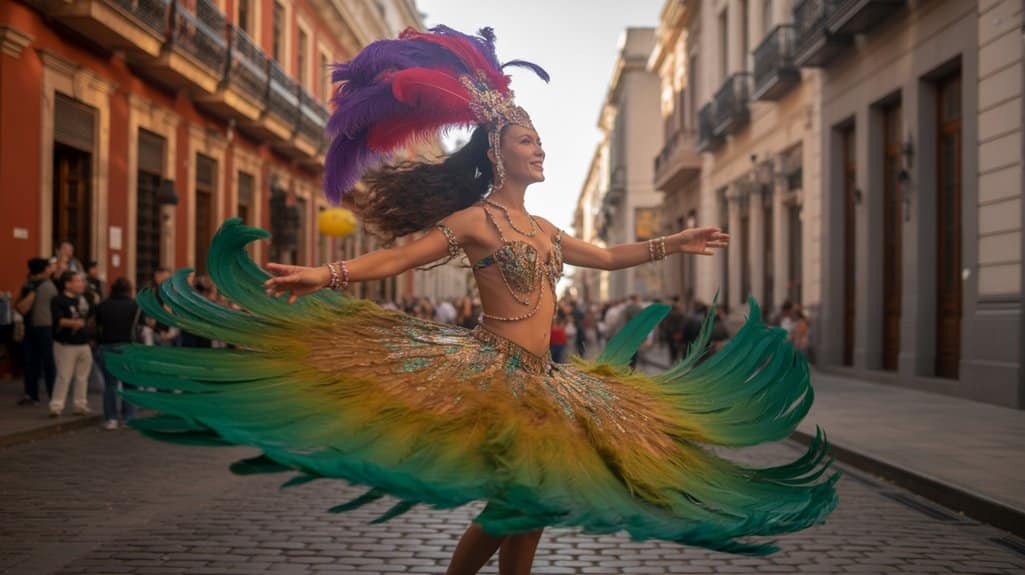
Montevideo’s streets will come alive with color, rhythm, and celebration when the city launches its carnival season on January 22, 2026. The inaugural parade along Avenida 18 de Julio marks the beginning of what locals call “the longest party in the world”, a 40-day festival that transforms Uruguay’s capital into a stage for music and dance.
More than 3,500 performers will participate in the opening ceremony, representing dozens of neighborhood groups called “comparsas” and “murgas.” These organizations spend months preparing elaborate costumes, choreography, and musical arrangements that reflect the carnival’s deep roots in Afro-Uruguayan culture. The tradition dates back to the colonial period when enslaved Africans brought their drumming and dance practices to the region.
The parade route stretches approximately two kilometers through the city center, with performances beginning at Plaza Independencia and continuing toward the Old City. Spectators can watch for free from sidewalks, though premium viewing areas require tickets that typically cost between $15-30 USD. The event draws around 200,000 people annually, making early arrival essential for securing good viewing spots.
Carnival in Montevideo differs significantly from its Brazilian counterpart. Instead of samba schools, Uruguay features “candombe” drumming, a UNESCO-recognized cultural practice performed exclusively with three types of drums: chico, repique, and piano. The rhythm creates the backbone for both street parades and formal theater competitions that run through early March.
Planning your visit requires understanding that this opening parade represents just the beginning. The official competition phase runs from late January through February, with performances held at outdoor stages called “tablados” throughout different neighborhoods. Each location offers a distinct atmosphere, from the tourist-friendly Ciudad Vieja to the authentic working-class barrios where carnival traditions remain strongest.
Key Takeaways
Montevideo kicks off its legendary carnival season on January 22, 2026, with the traditional inaugural parade that sets the tone for 40 days of celebration. This massive cultural event brings together 3,500 artists from across the country, transforming the capital into a stage for Uruguay’s most cherished traditions.
Thirty-seven performing groups will take over Avenida 18 de Julio, the city’s main thoroughfare, presenting four distinct carnival styles. Candombe groups beat their traditional drums in rhythms passed down through generations of Afro-Uruguayan families. Satirical theater troupes, known locally as “murgas,” deliver sharp social commentary through song and humor. Musical comedy acts blend storytelling with catchy melodies, while stand-up comedians roast politicians and celebrities with trademark Uruguayan wit.
The parade route stretches from Plaza Independencia, where the old city meets downtown, all the way to Plaza Cagancha, covering roughly two kilometers of prime real estate. City officials close streets to traffic at 3 PM sharp, giving crews time to set up sound equipment and barriers. The first performers typically hit the pavement around 7 PM, though exact timing depends on crowd size and weather conditions.
Smart spectators show up well before the 7 PM start time to claim good spots along the route. The celebration runs until midnight or later, making it essential to pack water and snacks for what becomes a marathon of music, dancing, and laughter. UNESCO recognized Candombe as an Intangible Cultural Heritage of Humanity in 2009, acknowledging its role in preserving African cultural expressions brought by enslaved people centuries ago.
Viewing options range from free curbside spots where locals spread blankets and camp chairs, to balconies that apartment owners rent out for the evening. Organized venues like Tablado Primero de Mayo and Teatro Verano offer ticketed seating with better sightlines and bathroom access, though many argue the real carnival experience happens on the street level where you can feel the drum vibrations and catch beads thrown by performers.
What to Expect at the January 22, 2026 Inaugural Parade
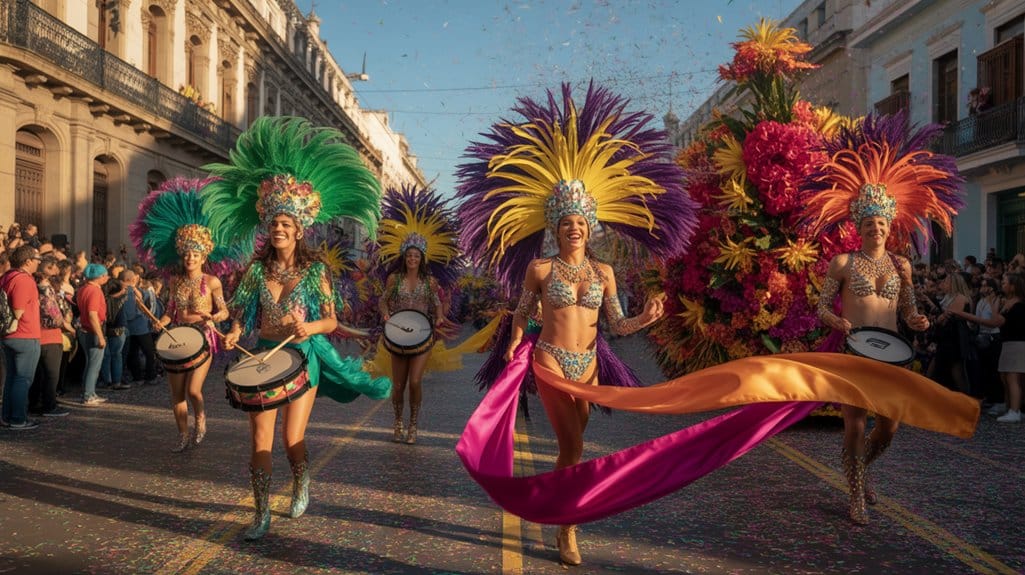
The streets of Montevideo transform on Thursday evening, January 22, 2026, marking the start of Uruguay’s renowned 40-day carnival season. Thirty-seven performing groups will parade through the city center, bringing together over 3,500 artists who’ll perform for an anticipated crowd of 7,000 people under favorable weather forecasts.
Six “negros y lubolos” groups anchor the celebration, performing Candombe, a drumming and dance tradition with African roots that UNESCO recognizes as part of Uruguay’s cultural heritage. Five parodista troupes follow with their signature satirical theater, poking fun at politicians and current events through clever wordplay and costumes. Musical comedy takes center stage with five revista groups, while four humorista acts round out the entertainment with stand-up comedy routines.
Official judges evaluate each category for annual prizes, creating genuine competition among participants. The procession order places previous year’s winners and top finalists at the front, a system that’s governed carnival organization for decades. Drummers, elaborate headdresses, and theatrical performances fill the streets as families claim their viewing spots early, many have attended this same event for generations. The parade follows a route from Plaza Independencia to Plaza Cagancha, winding through the heart of the historic city center. The celebration continues nightly through various neighborhoods until early March, making it one of the longest carnival seasons in Latin America.
The Parade Route: Plaza Independencia to Plaza Cagancha
The parade winds its way along Montevideo’s main thoroughfare, Avenida 18 de Julio, starting at Plaza Independencia and ending at Plaza Cagancha where performers take the stage. This route cuts straight through the city center, making it accessible for both international visitors coming from Carrasco International Airport and residents walking from surrounding barrios.
Avenida 18 de Julio serves as Montevideo’s primary commercial street, intersecting with key arteries like Bulevar Artigas and Avenida del Libertador. Multiple bus lines run along this corridor, including routes 21, 64, and 180, which connect the parade area to neighborhoods across the metropolitan region. The subway system also has stops at both plazas, providing direct access for attendees traveling from the eastern suburbs and Ciudad Vieja. Traffic will be diverted via Mercedes to the east during the event.
Navigating Av. 18 De Julio
Colorful floats and dancing crowds transform Av. 18 de Julio into a massive outdoor theater each January during Montevideo’s opening carnival parade. The city’s main avenue becomes the focal point as thousands gather to watch the procession that marks the official start of Uruguay’s carnival season.
Most hotels in Centro place you within a 10-15 minute walk of prime viewing spots. Taxis and ride-sharing apps provide reliable transport if your accommodation sits in neighborhoods like Pocitos or Punta Carretas. Traffic restrictions begin around 5 PM, so plan your arrival accordingly.
Viewing Tips
| Strategy | Benefit |
|---|---|
| Arrive before 7 PM | Secure prime viewing positions before crowds thicken |
| Pack snacks and water | Maintain energy during the lengthy 5-hour spectacle |
| Position near side streets | Enable quick movement and bathroom breaks |
Smart positioning makes the difference between comfort and frustration. Sidewalks pack tightly once the parade begins, with spectators standing shoulder-to-shoulder along the route. The atmosphere buzzes with anticipation as families stake out their territories and vendors weave through selling drinks and traditional carnival treats.
This celebration offers visitors a genuine window into Uruguayan culture. The parade features every major carnival group in Montevideo, from the thundering drums of candombe ensembles to the elaborate costumes of tablado performers. Each float represents months of preparation by neighborhood organizations that compete throughout the carnival season. The festivities extend for over 40 days, providing participants and spectators with extended opportunities to experience the cultural richness of Uruguay’s longest-running celebration.
Getting There From Airport
After picking your spot along the avenue, you’ll need to figure out how to get to Montevideo. The airport connects directly to the city center, but carnival season changes everything about timing.
Thursday arrivals require careful planning. Buses and taxis run on schedule until early afternoon, but at 3 PM the city starts blocking streets for parade preparations. You’ll want to land before mid-afternoon or wait until after midnight when the roads clear again.
The airport shuttle keeps running its normal route, though drivers take detours around the cordoned-off parade areas. Evening flights on Thursday mean longer rides since all traffic gets pushed onto Mercedes Street and the neighboring side streets. Your best bet is staying somewhere near alternative bus routes or close enough to walk to the celebration.
The parade route stretches from Plaza Independencia all the way to Plaza Cagancha, with crowds lining both sides of the avenue.
Best Viewing Spots and How to Get From the Airport
Finding the perfect parade viewing spot and making your way from the airport is straightforward. Several excellent locations line Avenida 18 de Julio, Uruguay’s main downtown thoroughfare, where you’ll catch the full spectacle of dancers, drummers, and elaborate floats.
The stretch between Plaza Independencia and Plaza Fabini offers the best combination of visibility and crowd management. Arrive early since locals stake out spots along the sidewalks hours before the procession begins. The area near the Palacio Salvo provides elevated viewing opportunities from nearby cafes and restaurants with street-facing windows.
Transportation from Carrasco International Airport runs efficiently year-round. COT buses operate the 710 route directly to downtown, taking roughly 45 minutes and costing around 50 pesos. Taxis charge a flat rate of approximately 1,200-1,500 pesos for the 30-minute trip, while ride-sharing services like Uber typically cost 800-1,000 pesos. Terminal Tres Cruces, the city’s main bus station, serves as a central hub where airport buses connect with local routes heading to parade areas. Many organized tours include transportation from Montevideo airport as part of their Carnaval packages.
Public restrooms become scarce during major celebrations, so plan stops at shopping centers like Montevideo Shopping or Punta Carretas before heading to viewing areas. Most parade routes close to vehicle traffic 2-3 hours before events begin, making early arrival essential for securing good positions.
Prime Parade Viewing Locations
Your parade experience depends entirely on where you position yourself during Montevideo’s carnival celebrations. Avenue 18 de Julio runs the full length from Plaza Independencia to Plaza Cagancha, giving you unobstructed access to the action. Standing at street level puts you right in the thick of things, you’ll feel the drum beats vibrate through your chest and catch every detail of the elaborate costumes.
Many locals rent out their balconies during carnival week, which you can find through rental platforms or by walking the route beforehand and asking directly. These elevated spots let your group celebrate privately while still catching all the spectacle below. Street-level watchers have the advantage of mobility, you can follow your favorite murga group or shift positions when the crowd thickens.
Carnival processions cover several city blocks, so smart positioning matters more than arriving at any particular time. The organized venues like Tablado Primero de Mayo and Teatro Verano sell numbered seats for their official competitions, where professional murga groups perform structured sets rather than parade-style performances. These indoor shows run throughout February and offer guaranteed seating with varying price points. Teatro Verano in the Parque Rodó neighborhood provides the most comprehensive Tablados with nightly outdoor performances. Montevideo’s compact downtown means you can easily walk between different viewing areas or catch multiple performances in a single evening.
Airport to Avenue Transport
Getting from Carrasco International Airport to the carnival parade routes offers travelers multiple transportation choices, each suited to different needs and budgets. Private transfers deliver the most convenient experience, taking you directly from terminal to destination for $47-70 per group, ideal for families or those carrying heavy luggage.
The DM1 airport bus represents the most economical option, connecting passengers to Punta Carretas neighborhood for approximately 50 Uruguayan pesos (roughly $1.30 USD). This hour-long route makes strategic stops at key shopping districts like Tres Cruces and Pocitos, allowing visitors to orient themselves with the city layout while saving money. Look for buses displaying “Montevideo” on their signage right outside the terminal for connections to the city center.
Standard taxis line up outside the arrivals area for the 24-kilometer journey into Montevideo’s center. Expect travel times between 30-40 minutes depending on traffic conditions, with fares fluctuating based on your specific destination within the city. During carnival season, demand increases significantly, so allow extra time for potential delays.
Shared shuttle services operate on fixed schedules throughout peak travel periods, splitting costs among passengers while maintaining reasonable comfort levels. These services typically require advance booking but offer a middle-ground solution between private transfers and public transportation.
Your choice ultimately depends on balancing cost against convenience, budget-conscious travelers gravitate toward public buses, while those prioritizing comfort and time efficiency lean toward private options. All methods reliably connect the airport to carnival celebration areas across Montevideo.
Where to Stay: Centro, Cordón, or Barrio Sur
Visitors to Montevideo’s Carnival celebrations typically choose between three main neighborhoods for their home base: Centro, Cordón, and Barrio Sur.
Centro puts you within walking distance of Cagancha Square and Montevideo Cathedral. Smart Hotel Montevideo provides well-appointed rooms with free WiFi, while Hotel Klee sits 328 feet from the metro station for easy transport connections.
Cordón delivers solid value for travelers watching their budget. The area comes alive on weekends with fruit markets where locals shop, and the bars here draw neighborhood crowds rather than tourists. The neighborhood is known for its vibrant craft beer scene, attracting visitors looking for local flavors. Hotel Europa features live piano performances and maintains close proximity to the historic quarter.
Barrio Sur appeals to visitors who want parks and evening entertainment. Ibis Styles Montevideo sits next to the tree-filled Parque Rodo, perfect for afternoon walks between Carnival events. The surrounding streets host traditional pubs and small wineries that showcase Uruguay’s growing wine culture. Each neighborhood grants easy access to Carnival venues while offering its own distinct atmosphere.
How the Inaugural Parade Previews the Full Carnival Season
The Inaugural Parade kicks off along Avenida 18 de Julio on January 22, 2026, giving spectators their first look at every group performing during carnival season. This opening event features comparsas with their full drum sections of 50 or more players, samba schools with elaborate choreography, and Carnival Queens riding decorated floats. The tradition connects directly to Afro-descendant cultural practices that survived from colonial times, when enslaved Africans gathered in Montevideo’s neighborhoods to maintain their musical and dance traditions.
Community excitement builds through this preview before the formal competitions start January 26 at Teatro de Verano. The momentum carries through to the major Llamadas Parade on February 6-7, where 80-90 comparsas compete in the neighborhood streets where carnival first took root. The following day, samba schools take their turn in the Desfile de Escuelas de Samba along Avenida 18 de Julio.
Several elements make this opening celebration particularly meaningful for locals. The drums – chico, repique, and piano – play rhythms passed down through families for generations. Dancers wear costumes that reference specific African cultural symbols, honoring ancestors who kept these traditions alive despite centuries of oppression. Streets fill with neighbors who’ve watched these same groups practice year-round in local clubs called sociedades de negros y lubolos. The parade represents genuine cultural expression rather than tourist entertainment, setting the tone for fifty days of celebration that follows.
What’s Next: Samba Schools on January 23 and Official Contests
Friday, January 23, 2026 brings samba schools to Avenida 18 de Julio, one day after the inaugural parade opens carnival season. These community groups parade from Andes to Paraguay street, showcasing the African-influenced rhythms that arrived in Uruguay through cultural exchange with Brazil. Unlike the theatrical storytelling of murgas, samba schools focus on music and dance, with elaborate feathered costumes and synchronized choreography.
The timing creates a natural progression in Montevideo’s carnival calendar. Official contests begin Monday, January 26 at Teatro de Verano, where groups compete in categories including murgas, lubolos, and parodistas. The samba school parade serves as the final informal celebration before competition season starts, when performances move to neighborhood tablados – outdoor stages that host shows across the city’s barrios for six weeks through early March. Spectators should prioritize comfort over perfection when choosing footwear and clothing, as the parade route involves standing and moving through dense crowds for extended periods.
References
- https://www.guruguay.com/montevideo-carnival-2026-dates/
- https://uruguaycarnival.com
- https://anydayguide.com/festival/837-montevideo-carnival
- https://uruguaynatural.com/en/farmoretanacountry/carnaval-2/
- https://www.tricotours.com/small-group-tours/uruguay-highlights-carnaval-2026/
- https://www.tripadvisor.com/AttractionProductReview-g294323-d15830138-Llamadas_candombe_Parade_Carnival_Tour-Montevideo_Montevideo_Department.html
- https://www.riotimesonline.com/latin-america-daily-pulse-january-22-2026/
- https://aldianews.com/en/culture/heritage-and-history/40-days-carnival
- https://www.daytours4u.com/en/travel-guide/your-essential-guide-to-uruguay-carnival
- https://www.realestate-in-uruguay.com/blog/carnival-in-uruguay/