

Moving to Uruguay brings exciting moments alongside puzzling social situations that catch newcomers off guard. Simple interactions like greeting friends or sharing meals carry unspoken rules that locals follow naturally. Understanding these cultural signals makes the difference between feeling like an outsider and truly connecting with the community. From conversation styles to dining habits, each custom offers a window into Uruguayan values. These everyday practices shape how relationships form and flourish in this welcoming South American nation.
Adapting to Local Customs and Social Expectations
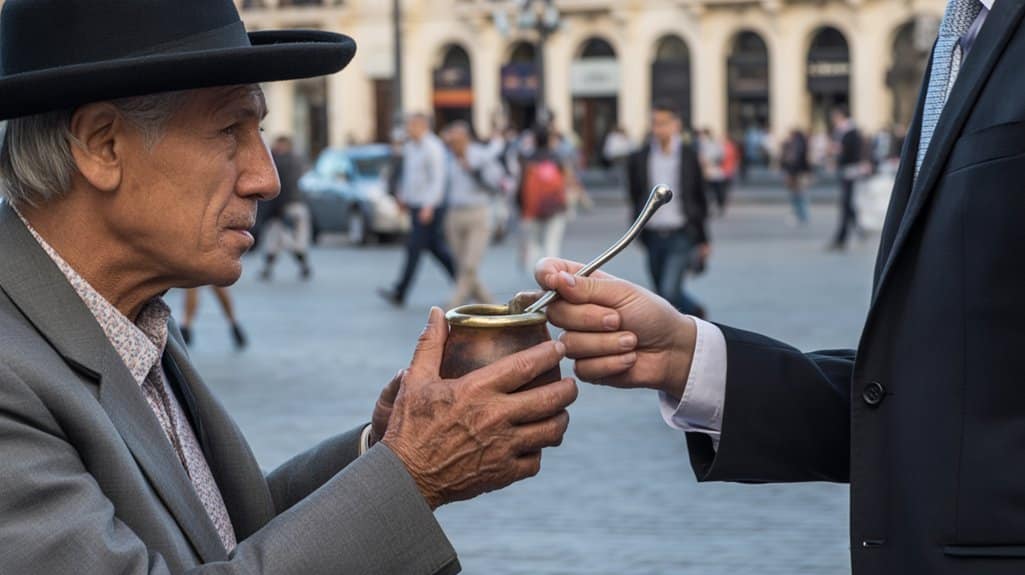
How does one maneuver the subtle yet significant cultural differences when settling into life in Uruguay? Understanding these nuances creates smoother transitions and helps newcomers feel more at home in their new community.
Personal space takes on different meaning in Uruguay compared to European standards. Conversations happen at closer distances, creating warmer connections between individuals. This physical closeness reflects the country’s friendly culture and shouldn’t feel uncomfortable once you adjust to it.
Dinner plans require a complete shift in thinking. Meals happen much later than most Europeans expect, often well into the evening hours. This timing might leave newcomers feeling hungry between traditional meal times. Smart planning includes having snacks available to bridge these gaps comfortably.
After dinner, Uruguayans welcome “Sobremesa,” a special time for continued conversation around the table. This practice extends meals beyond just eating, turning dinner into meaningful social experiences. Rushing away immediately after finishing food would miss this important cultural moment.
Restaurant experiences bring their own surprises. Salt shakers rarely appear on tables, reflecting the country’s focus on reducing salt consumption for better public health. High salt intake connects to serious health problems like heart disease and high blood pressure. Asking your server for salt works perfectly fine when needed.
Vehicle ownership presents unique responsibilities. Traffic fines attach to cars rather than drivers, meaning outstanding tickets from previous owners become new owner problems. The Matricula document records all vehicle-related fines and debts. Notaries play important roles during car purchases, confirming no outstanding claims exist before transfers happen.
Food fortification practices show Uruguay’s commitment to public health. Flour gets enriched with folic acid and iron to prevent nutritional deficiencies across the population. This approach mirrors practices in countries like Canada, Australia, and the United Kingdom.
These cultural differences initially feel overwhelming but become second nature with time. Engaging with local communities and asking questions helps speed up the learning process. Each small adjustment brings newcomers closer to feeling truly settled. Understanding these practices before arriving makes the transition smoother and more enjoyable for everyone involved.
Cultural Communication Guidelines
Uruguayans maintain significantly closer physical proximity during conversations than Europeans typically do. This cultural difference in personal space can feel surprising to European visitors or immigrants. Understanding this communication style helps avoid misinterpreting friendly closeness as invasiveness. When engaging with locals, expect more intimate conversational distances and accept this as part of authentic Uruguayan social interaction rather than stepping away, which might seem rude or standoffish.
What time do Uruguayans typically eat dinner?
Dinner time in Uruguay occurs much later than in European countries, often starting around 9 PM or later. This significant time difference means the afternoon gap between lunch and dinner is quite long. Many individuals adapt by having snacks or a light meal in the late afternoon to sustain themselves. Understanding this timing helps visitors and new residents plan their eating schedule accordingly and avoid showing up to restaurants too early when they might not yet be serving dinner.
What is “Sobremesa” and why is it important in Uruguayan culture?
Sobremesa is a unique Uruguayan cultural concept that refers to the time spent in post-dinner conversation while remaining at the table. This practice extends the dining experience beyond just eating, emphasizing social connection and relationship building. Unlike cultures where individuals quickly leave the table after finishing their meal, Uruguayans value this extended conversation time as an essential part of the dining experience. Participating in sobremesa demonstrates cultural understanding and respect for local customs.
How do traffic fines work differently in Uruguay?
Traffic fines in Uruguay are attributed to the vehicle rather than the driver or owner, creating a unique accountability system. These fines are recorded directly in the Matricula, which is the vehicle registration document. This means outstanding payments from previous owners can become a liability when purchasing a vehicle. The system reduces bureaucracy and works well in Uruguay’s high mobility context, but buyers must ensure all fines are cleared before completing a vehicle purchase.
Why don’t restaurants in Uruguay put salt shakers on tables?
Salt shakers are typically not placed on restaurant tables in Uruguay as part of a public health initiative to reduce salt consumption. This policy aims to combat health issues such as hypertension and heart disease that correlate with high salt intake. While salt isn’t automatically provided, restaurants will bring it upon request. This practice reflects Uruguay’s proactive approach to public health and is also found in other South American countries with similar health concerns.
What role do notaries play in car purchases in Uruguay?
Notaries play an important role in car purchases in Uruguay by confirming that no outstanding claims or fines exist against the vehicle. Since traffic fines attach to the vehicle rather than the driver, a notary’s involvement protects buyers from inheriting previous owners’ unpaid violations. This verification process is essential for ensuring a clean transfer of ownership and avoiding unexpected financial liabilities. The notary system adds legal security to vehicle transactions in Uruguay’s unique traffic fine framework.
How does Uruguay’s flour fortification program work?
Uruguay enriches wheat flour with folic acid and iron as part of a national food fortification program designed to prevent nutritional deficiency symptoms in the population. This mandatory fortification ensures that basic bread and flour-based products contribute to essential nutrient intake across all socioeconomic levels. Similar programs exist in countries like Canada, Israel, Australia, and the UK. This public health initiative demonstrates Uruguay’s commitment to addressing nutritional gaps through systematic food policy rather than individual supplementation.
What should newcomers know about adapting to Uruguayan meal timing?
Newcomers should prepare for significantly later meal times, particularly dinner, and plan for longer gaps between meals. The delay in dinner service often necessitates afternoon snacking to maintain energy levels throughout the day. Adapting to this schedule takes time, but understanding the cultural rhythm helps with smoother integration. Engaging with locals about meal timing and customs provides valuable knowledge for adjusting expectations and developing sustainable eating patterns that align with Uruguayan lifestyle.
How can understanding cultural differences improve social interactions in Uruguay?
Understanding cultural differences like closer conversational proximity, later dining times, and customs like sobremesa significantly improves social interactions in Uruguay. These observations help newcomers avoid cultural missteps and demonstrate respect for local traditions. Knowledge of these practices enables more authentic connections with Uruguayans and smoother integration into social settings. Observing and learning from locals while remaining open to different cultural norms facilitates better relationships and community engagement throughout the adjustment period.
Adapting to Local Customs
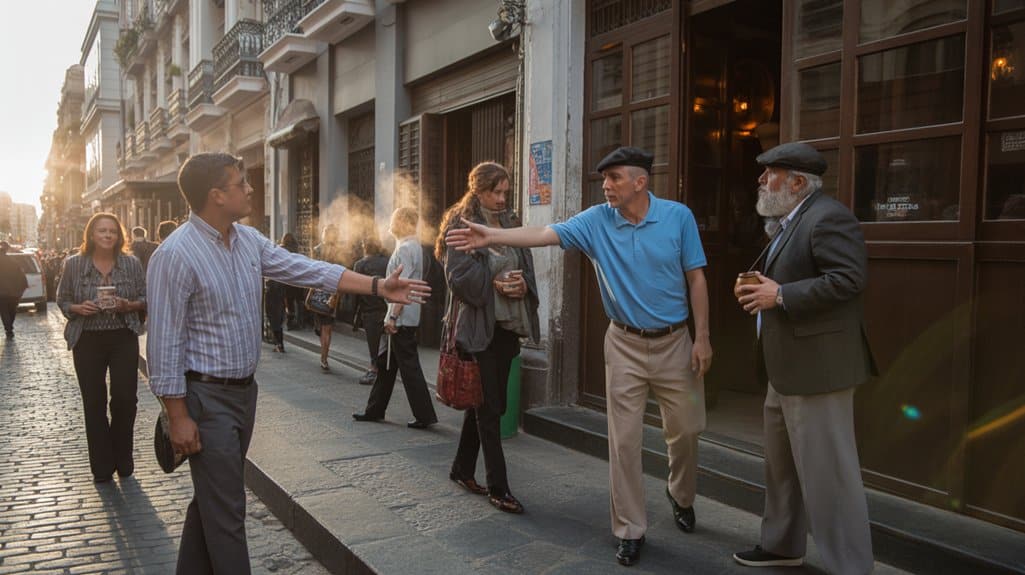
Learning about these cultural differences is just the beginning of settling into life in Uruguay. The real magic happens when newcomers start embracing these customs as their own. Standing a bit closer during conversations becomes natural over time. Late dinners evolve from inconvenience to opportunity for deeper connections. Even simple things like asking for salt at restaurants stop feeling awkward.
Each small adjustment brings individuals closer to feeling at home. The key lies in approaching these changes with curiosity rather than resistance. Soon, what once seemed foreign becomes part of daily life, creating genuine belonging in this welcoming South American nation.