

The new rent-price bill in Uruguay sets clear limits on how much landlords can increase rent and eliminates upfront payments before a lease is signed. Having worked in this market for years, I can tell you that renters in Montevideo and across the interior will likely feel more stability in their monthly budgets, which is genuinely good news for long-term tenancy.
That said, it’s worth thinking carefully about what this means for property owners. Tighter cash flow can delay maintenance cycles, and in older buildings , particularly those in Ciudad Vieja or the coastal departments , that gap between income and upkeep costs tends to show up quickly. A landlord who can’t cover repairs on time isn’t serving anyone well, renters included.
There’s also the question of supply. When owning rental property becomes less financially attractive, some owners quietly pull their units off the market or convert them to short-term platforms. Uruguay has already seen this pattern develop in high-demand areas like Punta del Este. Less inventory in a growing rental market puts upward pressure on the properties that remain available, which can work against the very goal the bill is trying to achieve.
Countries like Germany and Austria have implemented similar frameworks with reasonable success, but those markets have large, institutionalized rental sectors and strong incentive programs for property owners. Uruguay’s rental landscape is much more dependent on individual landlords, which makes that comparison worth examining closely.
The balance here isn’t impossible to strike, but both sides need breathing room to make it work.
Key Takeaways
The bill sets a ceiling on new listings at a single proposed rent, with annual adjustments capped at 10% and requiring either 30 or 60 days’ written notice , something Uruguay’s existing tenant protections already mandate, so landlords operating here should expect some regulatory overlap to sort itself out over time.
Tenants retain the right to challenge any rent increase within six months through a First-tier Tribunal, and an ombudsman steps in to keep an eye on hikes that appear discriminatory or retaliatory. Those are meaningful safeguards worth understanding before pricing a property.
The concern many landlords are raising , and it’s a legitimate one , is that caps tied to fixed percentages tend to fall behind inflation cycles. In Uruguay, where the UI (Unidad Indexada) has long been the standard mechanism for adjusting rental contracts, a rigid 10% ceiling could compress margins in ways that make routine upkeep feel financially unviable. Some owners are already weighing shifts toward short-term platforms or alternative property uses, which tightens the long-term rental pool for everyone.
Supporters of the measure point out that stabilizing tenant costs reduces displacement and keeps communities intact , goals that aren’t necessarily incompatible with growing supply. Paired with complementary tools like housing vouchers or faster permitting processes, rent stabilization can function as one piece of a broader strategy rather than a standalone fix.
For anyone managing property in Uruguay right now, watching how these overlapping frameworks settle into practice will matter more than reacting to the legislation at face value.
Explain How the New Rent-Price Bill Changes Rent-Control Rules for Landlords and Tenants
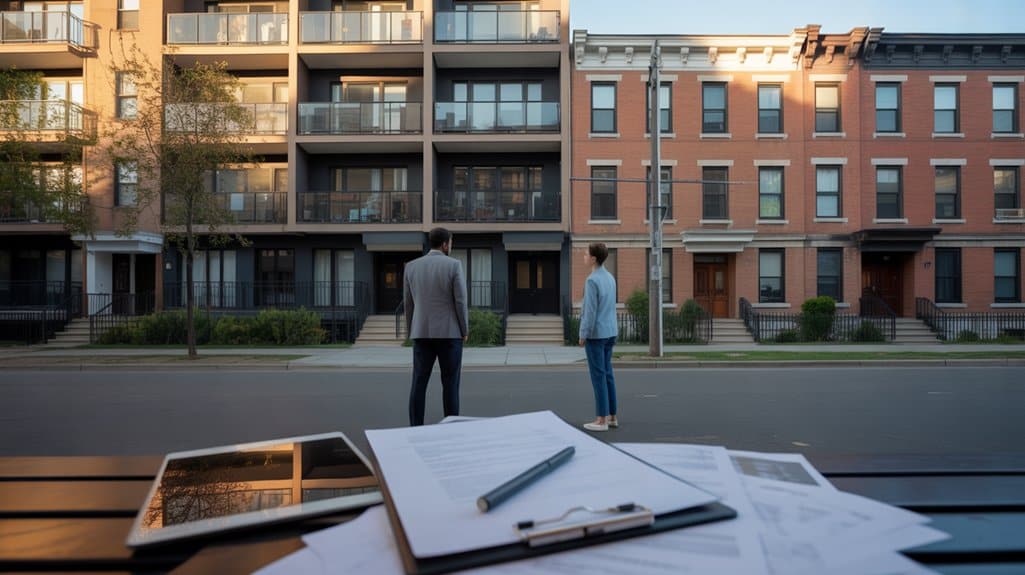
Starting May 1, 2026, the new rent-price bill will reshape how leases work across Uruguay, and if you’re renting or managing property here, it’s worth understanding exactly what’s changing before it kicks in.
One of the most straightforward shifts is that any new rental listing must show a single proposed rent figure, capped at one month’s rent. Tenants will have six months to challenge that amount before a First-tier Tribunal, which is a meaningful protection in a market like Montevideo or Punta del Este, where pricing pressure can be intense.
Pre-tenancy payments are out entirely. Landlords can no longer collect rent before a lease officially begins, which closes a practice that has created friction in Uruguay’s rental market for years. Rent adjustments are limited to once annually, and they require written notice , 30 days when the increase stays under 10%, and 60 days when it hits 10% or more. That notice must clearly state the new amount and the date it takes effect, no vague language.
Tenants who believe an increase is unjustified can formally challenge it, and an ombudsman will be responsible for ensuring landlords stay compliant. That oversight is specifically designed to discourage retaliatory or discriminatory rent hikes, which matters in neighborhoods where demand gives landlords significant leverage.
The legislation balances flexibility for both sides while bringing more transparency to a market that, frankly, has needed clearer ground rules for some time.
Show What the Data Say About Rent-Control’s Impact on Housing Supply and Quality
Putting the numbers side by side tells a story that anyone investing in Uruguay’s rental market should take seriously. When rent control measures tighten, the pool of available rental homes tends to shrink , and the units that remain on the market often deteriorate in ways that hurt both landlords and tenants over time.
We’ve seen this pattern play out in other markets with some consistency. In Washington D.C., controlled units dropped 14% over three decades. San Francisco recorded a 15-point decline in rental availability after expanding its control framework. Landlords there responded by converting apartments into condos, which pulled even more properties off the rental market entirely. Uruguay’s real estate landscape has its own dynamics, but the underlying incentive structure is the same , when returns feel squeezed, owners look for exits.
Maintenance is where the pressure shows up most visibly. When only 93 cents of every rent dollar actually covers repair costs, older buildings start to slip. Research links a doubling of controlled units with a 16% rise in severely inadequate housing conditions. In Montevideo’s older stock , particularly in neighborhoods like Ciudad Vieja and Palermo where the building age runs high , this kind of deferred maintenance compounds quickly and becomes expensive to reverse.
Over 70% of housing providers report rent control affects investment and development plans, intensifying the exodus of rental units. Tenant satisfaction tends to fall as units wear down, and eviction rates climb when owners decide to pull properties from the rental pool altogether. For anyone managing a portfolio here, that’s a dynamic worth watching closely. The data consistently suggest that tighter price caps create pressure that ends up working against both supply and quality in the long run.
Compare Pro- and Anti-Rent-Control Arguments With Supporting Evidence
Having worked in Uruguay’s real estate market for over two decades, I’ve watched the rent debate play out differently here than in most places , and the nuances matter if you’re making decisions about property in this country.
Uruguay’s rental law already includes some built-in protections, so understanding where rent control fits into that framework helps clarify what’s actually at stake. Tenant advocates , and yes, research from institutions like USC, UCLA, and UC Berkeley backs this up , point to real benefits when rent caps are in place: families in neighborhoods like Pocitos or Cordón stay rooted rather than being pushed toward the urban periphery when prices spike. That kind of stability tends to reduce homelessness rates and produce measurable health improvements. There’s also a less obvious upside: when landlords know they’ll have long-term tenants, repair and maintenance demand actually increases, which keeps property conditions competitive. Empirical studies show that rent control does not limit new housing construction or supply.
The other side of the equation is worth taking seriously, too. Restricting rent growth gives property owners less reason to develop new units , a pattern seen in controlled markets globally, where over 70% of providers have scaled back construction pipelines. In a market like Montevideo, where new inventory is already limited, that supply squeeze can push prices upward in uncontrolled segments and gradually erode the municipal tax base that funds local infrastructure.
| Pro | Anti |
|---|---|
| Reduces tenant displacement | Discourages new construction |
| Encourages maintenance investment | Compresses property values |
| Preserves neighborhood character | Limits owner returns |
| Supported by academic research | Can reduce municipal tax revenue |
| Protects lower-income renters | May intensify pressure in unregulated segments |
Present Rent-Control Alternatives (Including Vouchers) That Protect Renters Without Curbing New Construction
Working in Uruguayan real estate for years, I’ve seen firsthand how rent controls tend to slow down the very construction this market needs. There are smarter ways to protect tenants while keeping developers interested in building.
Housing vouchers, for example, let the market breathe. Families receive direct financial support to cover part of their rent, which means landlords stay motivated to maintain and improve their properties. In Uruguay’s context, where the rental market in Montevideo and cities like Punta del Este operates at very different price points, targeted voucher programs can be calibrated to reflect those local realities rather than applying a blanket cap that distorts pricing across the board.
Discrimination against renters who rely on government assistance is a real problem here, and source-income protection laws address it directly. Making it illegal to reject a tenant simply because they use a housing benefit opens up more of the market to vulnerable families without touching rental pricing structures.
Regulatory relief is where things get particularly interesting in Uruguay. The approval process for new residential developments can be lengthy, and easing zoning restrictions or streamlining permits keeps construction costs from climbing unnecessarily. Lower costs for developers tend to translate into more units hitting the market, which naturally moderates rents over time.
Local tenant assistance programs round this out well. Access to free legal counseling and eviction mediation means renters have real protection without disputes escalating into expensive court proceedings.
- Housing vouchers provide targeted rent support calibrated to Uruguay’s varied local markets
- Source-income protections eliminate discriminatory barriers for assisted renters
- Regulatory relief accelerates construction by reducing permitting delays and costs
- Tenant assistance delivers legal counseling and mediation before disputes escalate
- Combining these tools grows housing supply and shields renters without freezing rents
15% of housing units were removed in San Francisco after rent control was introduced.
Outline Projected Rent-Control Impacts for Landlords, Investors, and Renters
Rent control in Uruguay, particularly in Montevideo and the coastal resort areas like Punta del Este, tends to reshape the market in ways that are worth understanding before you make any decisions.
For landlords and investors, the math gets tighter pretty quickly. When rent caps grow slower than inflation, and Uruguay has historically dealt with significant inflationary pressure, maintenance costs, property taxes (Contribución Inmobiliaria), and utility expenses keep climbing regardless. That gap eats into returns and, over time, tends to push property valuations down for income-generating buildings. Owners working with compressed margins often defer repairs, which gradually affects building quality and, frankly, tenant retention too. San Francisco study shows that rent-control expansions can lower landlord profits and reduce investment in maintenance.
The rental supply picture shifts as well. When holding a rental unit stops making financial sense, owners look for alternatives, selling to owner-occupiers, converting to tourist rentals under platforms like Airbnb, or simply leaving units vacant. That pullback in available stock reduces choices for renters across the board and puts upward pressure on the uncontrolled segment of the market.
Renters in controlled units do benefit from predictable costs, which matters a great deal in a country where dollar-denominated leases have long been the norm. The trade-off is reduced mobility, families often stay in units that no longer fit their needs simply because re-entering the market means facing unregulated pricing. Meanwhile, renters outside the controlled system frequently absorb the spillover costs, creating real disparity between neighbors in similar situations.
References
- https://jbrec.com/insights/21st-century-road-to-housing-act-impact/
- https://www.brookings.edu/articles/what-does-economic-evidence-tell-us-about-the-effects-of-rent-control/
- https://bloustein.rutgers.edu/some-studies-challenge-long-held-views-on-rent-control/
- https://www.dcpolicycenter.org/publications/rent-control-lit-review-2025/
- https://naahq.org/advocacy/policy/issues/rent-control
- https://ryanbourne.substack.com/p/left-wing-economists-misrepresent
- https://www.youtube.com/watch?v=ixibKyMhSHc
- https://theindependentlandlord.com/renters-rights-rent/
- https://www.youtube.com/watch?v=8eB06vf28Mo
- https://www.youtube.com/watch?v=eLk6SPibSkw