
A massive trade deal between Europe and South America is stirring up quite the conversation. The EU-Mercosur agreement promises to create the world’s largest free trade zone, connecting nearly 800 million individuals across two continents. Yet not everyone is celebrating this historic moment. Some countries are pushing back hard, worried about what this means for their farmers and local businesses. The real story lies in understanding why this deal matters so much—and why it’s causing such heated debate.
The World’s Largest Free Trade Zone Takes Shape
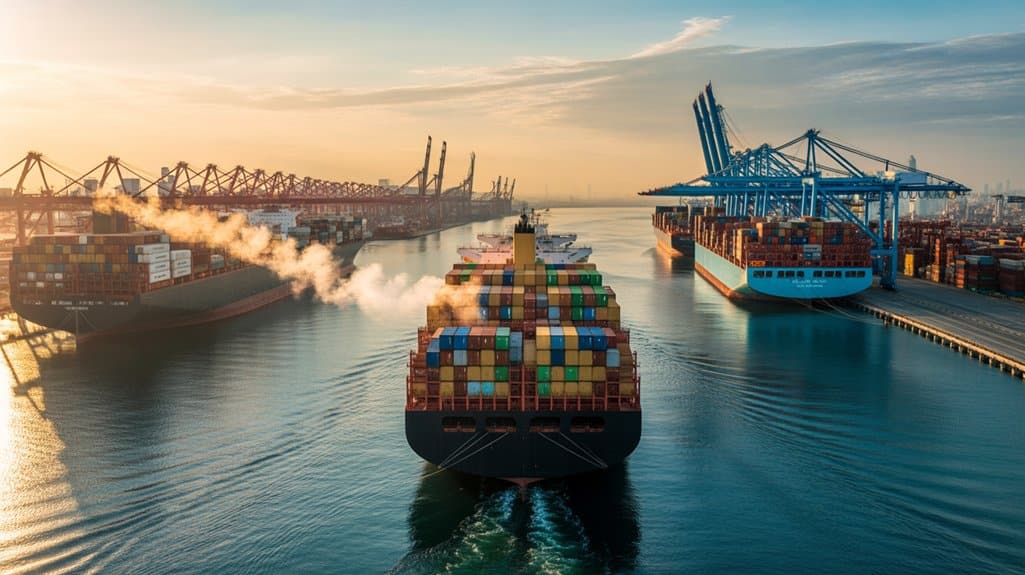
After twenty-five years of talks, the European Union and Mercosur have finally reached a major milestone. This innovative deal brings together Europe with Brazil, Argentina, Uruguay, and Paraguay. Together, they’re creating something remarkable—the world’s largest free trade zone.
Picture this: over 700 million individuals connected through easier trade and cooperation. It’s like building a massive bridge between continents, making it simpler for businesses to work together. The European Commission approved the agreement text in late 2024, sending it to member governments and Parliament. This historic partnership could reshape how we think about global trade.
Agricultural Sector Tensions and Member State Opposition
Resistance has emerged from several European nations worried about their farmers. France and Poland lead the charge, fearing their markets could be flooded with cheaper meat from South America. Think about it—local farmers already face tough competition. Now they might compete against beef and chicken produced with different rules and lower costs.
Italy shares these worries too. Their farmers wonder how they’ll stay in business when cheaper options arrive. Polish leaders want protection against unfair market changes. Even France’s trade minister calls the deal positive, but farmers remain nervous about their future.
Understanding the Complex EU Approval Process
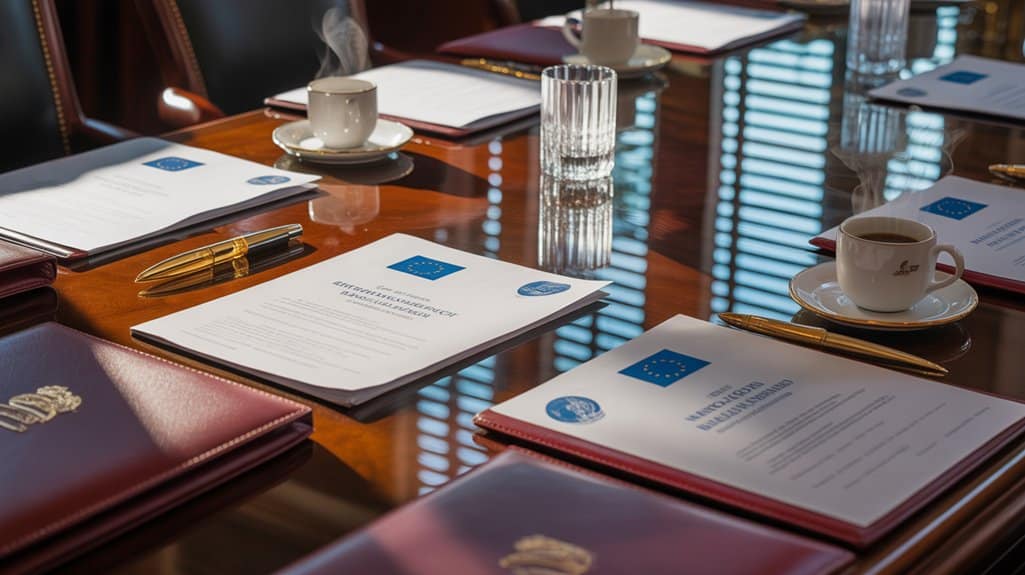
Getting this massive trade deal through the European Union requires jumping through many hoops. The approval process isn’t simple or quick. Twenty-seven member countries must vote, and the math gets tricky fast.
Here’s how it works: at least fifteen nations need to say yes. But there’s a catch. Those countries must represent sixty-five percent of all EU citizens. This means bigger nations like Germany and France carry more weight than smaller ones.
Right now, several countries have concerns. France and Poland worry about their farmers. This makes reaching the required numbers much harder for supporters.
Dismantling Trade Barriers and Economic Impact
Tariffs and trade walls between Europe and South America would disappear under this deal. Picture walking into a store where South American beef costs much less than before. That’s what millions of consumers might experience.
This massive trade zone would connect over 700 million individuals. European families could enjoy cheaper goods from Brazil and Argentina. Meanwhile, South American clients would have easier access to European products.
The changes run deeper than shopping, though. European farmers worry about competing with lower-priced meat and poultry. This shift could reshape how both regions do business for generations.
Global Trade Implications and Strategic Positioning
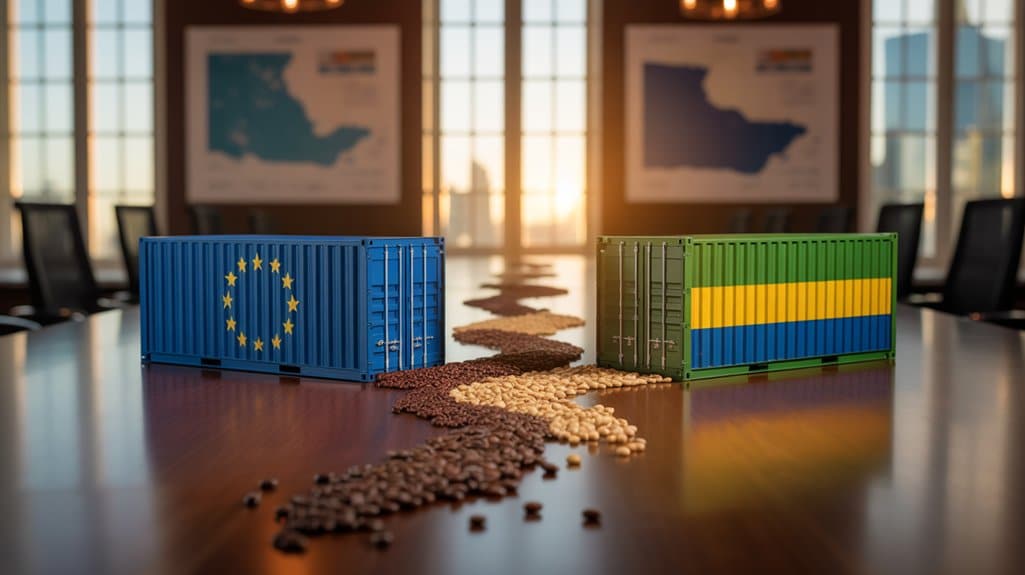
Beyond the immediate impact on consumers and farmers, this agreement signals a major shift in how the world handles trade. With over 700 million individuals involved, this deal creates the largest free trade zone globally. It’s like watching two giant puzzle pieces finally fit together after 25 years of trying.
| Region | Main Benefit | Challenge |
|---|---|---|
| Europe | New markets | Agricultural competition |
| South America | Economic growth | Meeting EU standards |
| Global trade | Stronger partnerships | US tariff tensions |
This partnership strengthens ties between continents while reshaping how nations work together economically.