
Heritage celebrations (Día del patrimonio) tend to follow a predictable pattern, and this weekend event with its thousand-plus activities is no exception, though the scope from Fray Bentos to the Legislative Palace suggests someone actually put thought into the logistics. The 1825–1830 bicentennial theme anchors everything, which makes sense given that historical markers provide convenient excuses for communities to gather, perform folk dances, and temporarily remember they share something beyond neighborhood boundaries. What remains unclear, however, is whether all this coordinated nostalgia actually translates into lasting connections or just fills up a calendar.
The 1825–1830 Bicentennial Theme and Its Significance
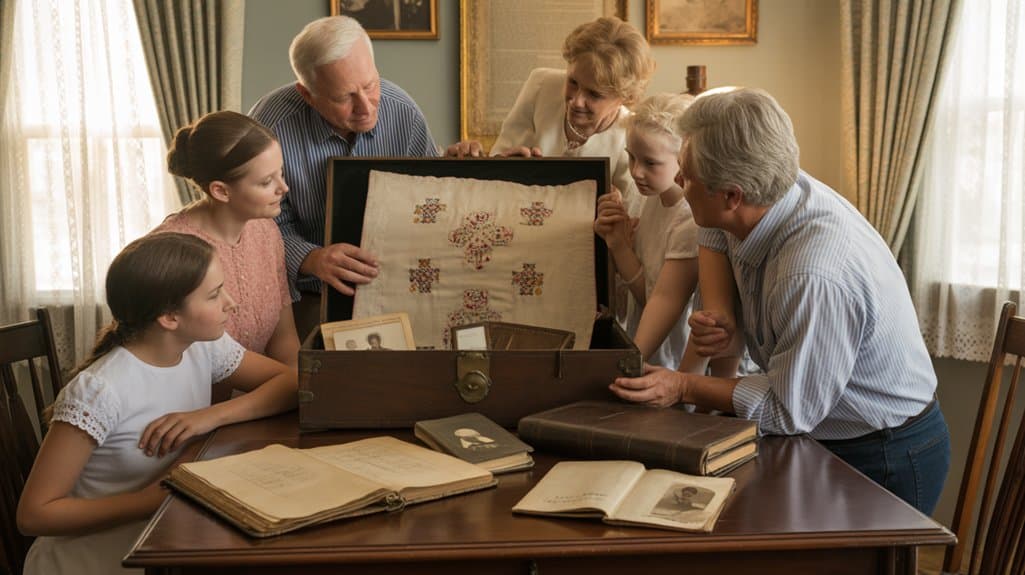
The Heritage Day celebration centers on a bicentennial theme that marks the period from 1825 to 1830, which, for those who might have forgotten their history lessons or never paid much attention in the first place, represents a vital era in the nation’s formation. The organizers designed this theme to create spaces for knowledge exchange and identity reflection, though whether individuals actually reflect or just show up for the free entertainment remains to be seen. Over a thousand activities spread across all regions aim to connect communities with their shared past, giving everyone a chance to feel part of something larger than themselves.
Regional Participation Across the Nation
Cultural regions from every corner of the country have signed on to participate in Heritage Day, organizing themselves according to geographic divisions that reflect both administrative convenience and local identity, which means Montevideo gets to break things down by neighborhoods while Canelones operates through micro-regions and localities. The Centre, Southwest, Littoral, North, and East regions have all joined in, though they’re sticking with the traditional department and locality structure because apparently that works better for them. Over a thousand activities will take place across these regions, which sounds ambitious until you remember the entire country’s participating.
Opening Ceremony in Fray Bentos
Saturday morning at 7:00 a.m., the Patriotic Committee will raise the flag in Plaza Artigas in Fray Bentos, Río Negro, which is either a reassuringly traditional start to Heritage Day or proof that someone decided the best way to kick off a national celebration is to make sure only the truly committed early risers show up. Two hours later, the Rio Negro Orchestra Band performs the National Anthem, followed by speeches from the city council representative and various educational and cultural officials, creating the kind of formal program that tells you this matters, even if you’re still half-asleep.
Closing Ceremony at the Legislative Palace
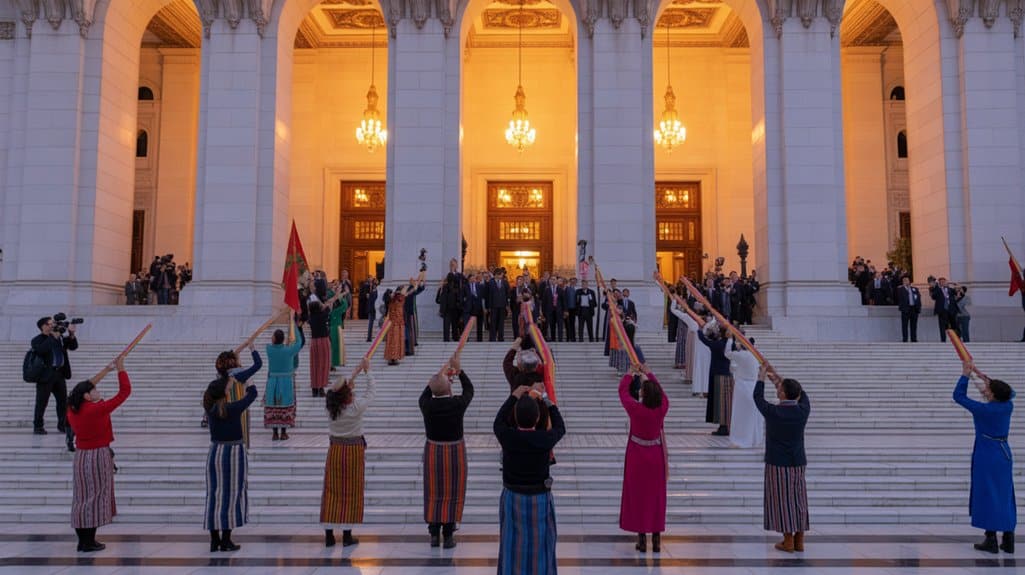
Continuity requires that after two days of scattered celebrations across regions and neighborhoods, Heritage Day has to wrap up somewhere official and ceremonial, which is why Sunday evening finds everyone converging on the South Esplanade of the Legislative Palace on Avenida Libertador, where at 6:30 p.m. the Florida Battalion leads a band and parade that serves as the formal gathering before things really get started. Twenty minutes later the actual ceremony begins, featuring Six Saxophones in concert and the National Pericón dance performed by the Folk Ballet from Sodre’s training school, which means the bicentennial ends with traditional displays that confirm national identity.
Artistic Performances and Community Engagement
Beyond the official ceremonies with their scheduled start times and formal lineups, Heritage Day depends on the thousand-plus activities scattered across regions and neighborhoods to actually engage individuals, which means local cultural groups, folk dancers, and community committees end up doing most of the work of making the bicentennial feel like something more than just speeches and flag raisings. The Folk Ballet from Sodre’s training school performs alongside saxophonists and pericón dancers, creating spaces where attendees can actually participate instead of just watching dignitaries read prepared remarks. These grassroots efforts, organized by volunteers across Montevideo, Canelones, and rural departments, convert heritage celebration into something communities experience together.


