
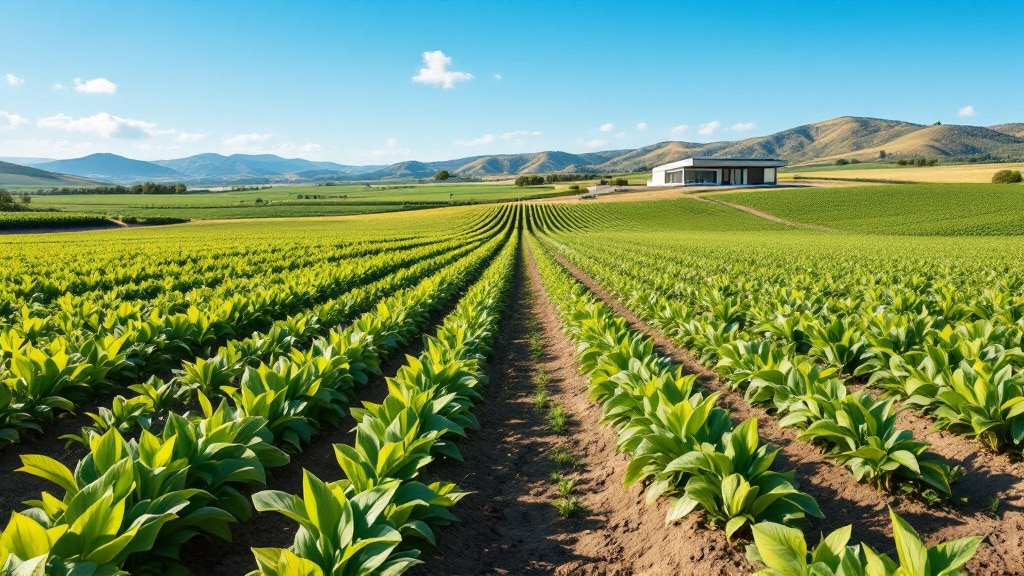
Uruguay’s seed sector is actively pursuing closer cooperation with European plant breeders as regulatory frameworks around New Genomic Techniques (NGTs) evolve on both continents. Diego Risso, Executive Director of URUPOV (the Uruguayan Union for the Protection of New Plant Varieties), outlined this strategy at the Euroseeds Congress 2026 in Valencia in late October 2026. The initiative centers on aligning development frameworks, market access, and intellectual property rights, with potential implications for agricultural land values and rural property investment across Uruguay’s interior regions.
Regulatory Shifts Open New Opportunities
European Framework Changes the Game
The European Union’s New Genomic Techniques regulation (EU 2026/1388) entered into force on July 16, 2026, and will begin practical application on July 17, 2028. This two-tier framework distinguishes between NGT-1 plants, those with targeted changes that could occur naturally through conventional breeding, and NGT-2 plants with more extensive modifications. NGT-1 crops face no mandatory GMO risk assessment or consumer labeling once a national authority verifies their classification, effectively treating them as conventionally bred varieties.
What This Means for Uruguay
Uruguay’s seed sector has maintained longstanding commercial ties with Europe, and the new regulatory environment removes a significant barrier that had existed since a 2018 European Court of Justice ruling classified all post-2001 genomic techniques as GMOs. The regulatory clarity now allows Uruguayan breeders to develop crop varieties using precise gene-editing techniques that qualify as NGT-1, opening European markets without the full GMO authorization burden.

Practical Impact on Farm Productivity
Yield and Disease Resistance Potential
Modern breeding techniques using NGTs target traits that directly affect farm economics. Industry sources indicate that disease resistance remains the leading area of demand, followed by traits related to drought and heat tolerance. These improvements matter in Uruguay, where soybean production, wheat cultivation, and other crops face ongoing pressure from evolving pathogens and climate variability.
Technology Transfer and Knowledge Exchange
Risso highlighted areas where greater cooperation could benefit breeders and seed companies, including intellectual property protection and collaboration among breeders, seed companies, distributors, and farmers. Uruguay’s experience with royalty collection systems and legal seed use offers practical lessons for European partners, while European advances in computational gene target discovery and genome-editing capabilities provide tools Uruguayan breeders can adopt.
| Cooperation Area | Uruguay Contribution | European Contribution | Practical Benefit |
|---|---|---|---|
| Intellectual Property | Royalty collection experience | Regulatory frameworks | Stronger legal seed markets |
| NGT Development | Field testing capacity | Gene-editing platforms | Faster variety development |
| Market Access | South American networks | EU market entry paths | Expanded commercial reach |
| Trait Discovery | Local adaptation data | Computational tools | Region-specific varieties |
Property Investment Implications
Agricultural Land Value Factors
Improved crop varieties that deliver higher yields, better disease resistance, or enhanced drought tolerance directly affect farm profitability and, by extension, agricultural land values. If European partnerships accelerate the adoption of modern breeding techniques in Uruguay, farms in the interior regions that grow soybeans, wheat, and other crops could see productivity gains that support land price appreciation. However, the timeline matters: the EU’s NGT framework begins practical application in 2028, and developing, testing, and commercializing new varieties typically requires additional years.
Regional Considerations
Uruguay’s interior agricultural regions, where large-scale grain and oilseed production dominates, stand to benefit most from productivity improvements linked to advanced seed varieties. Rural property investors evaluating farmland purchases should consider the potential for technology-driven yield increases, though these gains will materialize gradually as new varieties reach commercial release and achieve market adoption. The cooperation with European breeders represents a strategic positioning move rather than an immediate market shift.
Intellectual Property and Market Structure
The emphasis on intellectual property protection reflects practical concerns for both European and Uruguayan stakeholders. Stronger plant variety rights and effective royalty collection systems ensure that breeders and seed companies can recover research investments, which in turn supports continued development. For farmers and rural property owners, this framework means access to improved genetics remains commercially viable over time. Uruguay’s existing systems for tracking legal seed use and collecting royalties provide a foundation that can be strengthened through European cooperation, potentially creating more robust seed markets that benefit both technology developers and agricultural producers.
Quellen
- Uruguay Seed Sector Strengthens Ties with European Breeders
- Regulation, not technology, now driving gene editing adoption in Europe, says Hudson River
- Resurrect Bio Closes $10.3M Round: FloraFold AI Restores Crop Immunity With Native DNA Only
- From rice fields to accelerating vegetable breeding
- 3 ways Google DeepMind is using AI to reshape the food system