
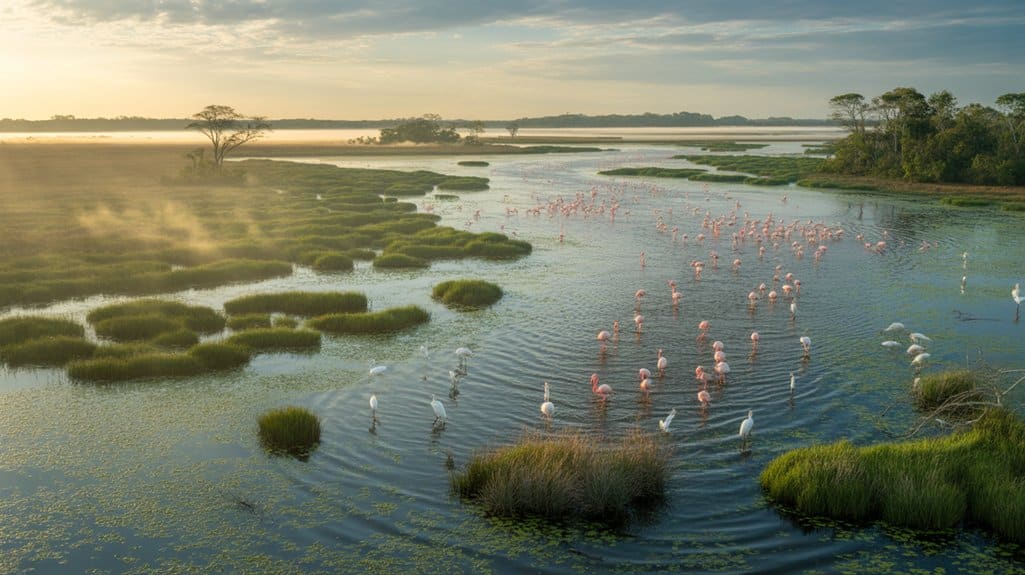
A peaceful section of the Uruguay River is transforming into something unprecedented. U.S. philanthropist Gilbert Butler’s $500,000 donation has secured six islands that form the foundation for what would become South America’s first binational park, spanning territory in both Uruguay and Argentina.
The initiative safeguards 9,884 acres of wetlands and native forests while opening doors for economic development in riverside communities. Local residents on both sides of the border stand to benefit from ecotourism, research opportunities, and conservation jobs that the park would generate.
Butler’s financial contribution covers initial land acquisition and legal frameworks, but establishing a functional binational park demands extensive coordination between two governments. Uruguay and Argentina must align their environmental regulations, establish joint management protocols, and create shared conservation strategies.
The countries have collaborated on river management before, though never on a protected area of this scale.
The wetlands house over 200 bird species, including the endangered yellow cardinal and several migratory waterfowl that use the region as a stopover point. These ecosystems also filter agricultural runoff from upstream farming operations, protecting water quality downstream where thousands of people depend on the river for drinking water and fishing.
Cross-border conservation projects face unique challenges. Different permitting processes, varying environmental standards, and separate tourism promotion systems must be reconciled. The park’s success depends on both governments maintaining long-term commitment despite potential changes in political leadership.
Early discussions between Uruguayan and Argentine officials suggest strong support for the concept. Environmental ministers from both countries have expressed interest in using the park as a model for future regional conservation efforts along their 1,000-kilometer shared border.
Key Takeaways
Gilbert Butler established Butler Conservation Inc. in 2005, drawing from his pension fund wealth to back environmental protection projects. His approach targets strategic land acquisitions that create measurable conservation impact.
Butler’s $500,000 investment secured six key islands within the Esteros de Farrapos wetland system, which spans the Uruguay River between Uruguay and Argentina. These purchases connected existing protected areas on both sides of the border, forming Uruguay’s first binational park.
The expanded protected area now encompasses 21,565 hectares of critical wetland habitat. This cross-border corridor serves communities totaling over 500,000 people in the surrounding regions of both nations, providing essential ecosystem services like water filtration and flood control.
Economic projections show the park could generate $1.78 billion in ecotourism revenue by 2025. Local communities benefit through new employment opportunities in guiding, hospitality, and environmental education programs that the park’s management has developed.
The wetlands shelter numerous threatened species while supporting over 1,000 documented plant varieties. Beyond biodiversity protection, these ecosystems act as natural flood barriers during seasonal river surges and help both countries adapt to changing climate patterns affecting the region.
Gilbert Butler’s Uruguay River Binational Park: From Vision to Reality
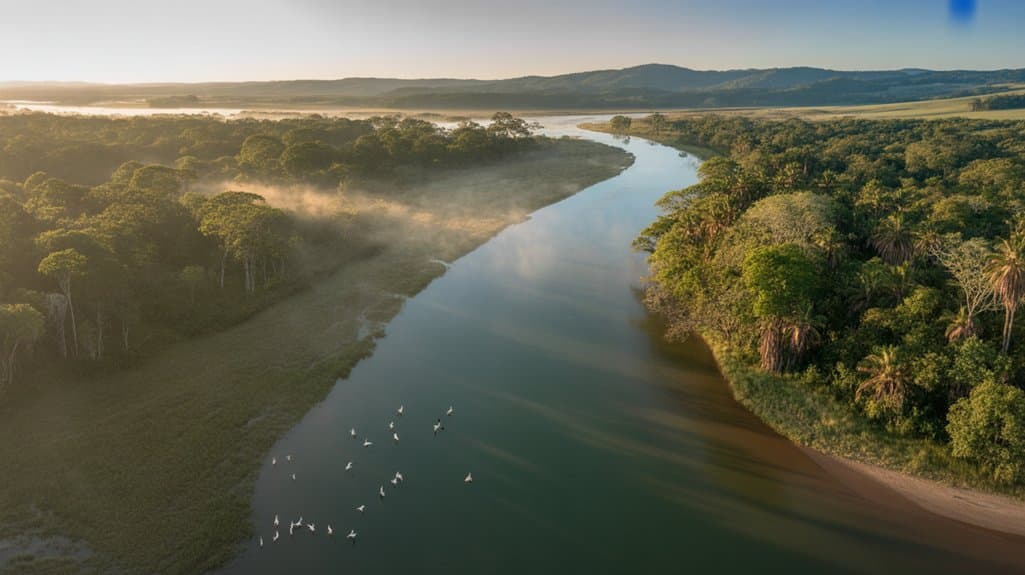
Gilbert Butler’s fortune from pension funds opened doors most people never see, but it was a simple kayak trip that changed everything. Paddling through the Uruguay River islands in 2019, Butler saw potential for something unprecedented – a conservation area spanning two countries.
Butler didn’t waste time turning vision into action. He returned to the river in early 2020 and began mapping out what would become the Uruguay River Binational Park. Butler Conservation Inc., which he’d established in 2005, already had projects running from South America to East Africa. This experience gave him the operational foundation needed for cross-border work.
The Argentina connection proved crucial. Butler’s existing relationships with local conservationists provided the diplomatic groundwork necessary for binational cooperation. Unlike typical conservation projects that operate within single countries, this initiative required coordination between Argentine and Uruguayan authorities from day one. The donation expanded the Esteros de Farrapos protected area to 21,565 hectares and 35 islands.
The First Uruguay-Argentina Binational Park and Why It Matters
By the end of 2021, Butler had acquired three Argentine islands in the Uruguay River, Dolores, San Genaro, and Campichuelo. These islands connect with three Uruguayan islands to create the first binational conservation park along the Uruguay River, spanning 9,884 acres of protected natural habitat.
Cross-border conservation works because animals and plants don’t stop at national boundaries. When you protect connected areas on both sides of a river, you give wildlife the space they need to move, breed, and adapt. The park creates what scientists call a biological corridor, essentially a wildlife highway that links different ecosystems along the river.
The numbers tell the story of local impact. More than 500,000 people living in surrounding communities now have access to this protected area. The park creates opportunities for nature-based tourism, environmental education programs, and field research stations. President Lacalle Pou highlighted the project as both environmentally sound and economically viable, positioning it as a template for future regional conservation partnerships.
Climate change makes these connected protected areas even more valuable. As weather patterns shift, species need room to migrate to suitable habitats. A binational park offers that flexibility in ways that isolated protected areas simply can’t match. The region houses 41% of Uruguay’s 2,450 described plant species, underscoring its critical importance for biodiversity conservation.
Six Islands Forming the Uruguay River Conservation Corridor
Six islands dot the Uruguay River like natural stepping stones, with three belonging to each country along the international border. Gilbert Butler’s foundation purchased all six islands, establishing them as protected areas that showcase what cross-border conservation can achieve.
| Country | Island Names | Protected Area |
|---|---|---|
| Uruguay | Chala, Ingá, Pingüino | Esteros de Farrapos e Islas del Río Uruguay National Park |
| Argentina | Dolores, San Genaro, Campichuelo | Islas y Canales del Río Uruguay Natural Park |
| Combined | Six total islands | 21,565+ hectares protected |
The wetland forests on these islands provide critical habitat for endangered yellow cardinals, whose population has declined dramatically across South America. Fish use the shallow waters around the islands as nurseries, while dozens of migratory bird species stop here during their seasonal journeys between North and South America.
Both parks allow public access through guided tours and designated trails. This approach balances conservation goals with educational opportunities, letting people experience firsthand why protecting river ecosystems matters for wildlife and water quality downstream. The binational park represents an unprecedented environmental collaboration between the two neighboring nations.
How Six Islands Expanded Into 9,884 Protected Acres
Gilbert Butler’s $500,000 bought six islands covering 514 hectares in Uruguay and 2,695 hectares in Argentina. What happened next turned this private purchase into something much bigger through smart partnerships with local governments.
Entre Ríos province stepped up and contributed about 1,400 hectares of public land that sat right next to Butler’s donated islands. This wasn’t charity, it was strategic thinking. Provincial officials saw they could create one large protected area instead of having scattered small pieces that would be harder to manage and less useful for wildlife.
The math worked out well for everyone involved. Butler’s original donation combined with the provincial land created nearly 4,000 hectares of protected space, that’s roughly 9,884 acres total. The provincial governors basically took existing public land that bordered the islands and folded it all into one unified preserve.
This approach delivered real benefits you can measure. Over half a million people living in nearby communities now have access to this expanded natural area for recreation. Wildlife gets continuous habitat instead of fragmented patches. The binational cooperation between Uruguay and Argentina shows how private donations can trigger much larger conservation wins when governments see the opportunity to multiply the impact of that initial investment. Butler’s foundation partnered with the Wildlife Conservation Society to implement comprehensive ecotourism infrastructure and conservation plans for the islands.
Climate Resilience and Conservation Goals Benefiting 500,000 Residents
The new park protects wild spaces while safeguarding more than 500,000 nearby residents from storms and flooding. Wetlands and forests function as natural barriers, absorbing excess water and reducing wind speeds during extreme weather events that have become more intense across Uruguay in recent decades.
These protected ecosystems store massive amounts of water, a single hectare of wetland can hold up to 1,500 cubic meters during heavy rainfall. The forest canopy breaks up storm winds before they reach populated areas, while root systems prevent soil erosion that would otherwise worsen flood damage.
Visitors gain access to hiking trails, birdwatching sites, and educational programs that showcase Uruguay’s native flora and fauna. Local communities benefit economically as tourists spend money on accommodations, meals, and guided tours. The park creates jobs for rangers, guides, and maintenance staff while generating revenue that supports both conservation efforts and nearby businesses. Ecological surveys have documented 402 plant species within the protected area, providing researchers and visitors insight into the region’s biodiversity.
This approach demonstrates how environmental protection directly translates into community safety and economic opportunity, making conservation a practical investment rather than just an environmental ideal.
Protecting Species and Habitats
Along Uruguay’s eastern border, the Uruguay River cradles an extraordinary ecosystem spanning 4,006 hectares of wetlands, islands, and forests. This natural sanctuary provides refuge for the aguará guazú, South America’s largest wild dog, which now teeters on the brink of disappearing forever. The protected waters around the Queguay Islands serve as crucial spawning areas for fish and safe havens where migratory birds can nest undisturbed.
Conservation teams work tirelessly to save species like the yellow cardinal and dozens of water bird varieties that call these wetlands home. Rangers and scientists have created wildlife corridors linking Argentine and Uruguayan islands, allowing animals to move freely between feeding and breeding areas. The park contains over 1,000 plant species, representing nearly half of all plants found throughout Uruguay, and acts as a natural bridge where tropical vegetation from Argentina’s Misiones rainforest gradually spreads southward.
The landscape shifts dramatically from sandy riverbanks to dense riparian forests and sprawling marshlands, each zone providing specialized shelter for different creatures. Civil society groups have mobilized to protect the Queguay Islands, advocating for their inclusion in Uruguay’s protected areas system. This cross-border collaboration proves that well-planned conservation efforts can safeguard irreplaceable wild places while creating jobs and educational opportunities for people living nearby.
Urban Resilience Along River
Over half a million people living along the Uruguay River’s banks are dealing with increasingly dangerous weather patterns. Climate data shows severe storms and flooding events have become more frequent, putting homes and jobs at risk in coastal communities throughout Entre Ríos, Argentina, and Uruguay.
The binational park initiative centers its work around preparing for floods. Regional officials have started building shared planning systems to manage weather that’s become harder to predict. Butler Conservation allocated $1,460,000 earmarked for programs that help communities recover more quickly when disasters strike.
Residents partner directly with conservation organizations to create workable solutions. They’ve established six emergency shelter facilities offering free temporary housing and rest areas. The area supports 41% of Uruguay’s plant species, contributing to the region’s ecological significance. This hands-on cooperation builds on what locals already know about climate risks while providing concrete support for the most vulnerable families.
Sustainable Tourism and Education
Building stronger communities along the Uruguay River goes beyond flood protection measures. Uruguay’s tourism industry demonstrates what happens when cultural heritage meets thoughtful planning. The country attracted 3.2 million visitors in 2025, generating $1.78 billion for local economies, money that directly supports 500,000 residents who depend on this income.
Real community involvement makes the difference in places like Colonia del Sacramento. This UNESCO World Heritage site draws travelers who want genuine cultural experiences rather than manufactured attractions. Rural areas near planned conservation zones see similar benefits. Small businesses flourish when visitors explore wildlife reserves and off-grid destinations like Cabo Polonio, where electricity and paved roads don’t exist.
Teaching programs show tourists how to protect the environment while supporting 159 local enterprises. This method keeps natural areas intact and gives people economic opportunities. Uruguay and Argentina share strong economic connections, which means conservation projects help communities on both sides of the border. When one country protects a watershed or wildlife corridor, businesses and residents across the region benefit from increased eco-tourism and sustainable development opportunities. VAT exemptions on gastronomy, car rentals, and hotel accommodations provide additional support for tourism growth through April 2025.
Free Ecotourism Shelters and Visitor Access Along the Uruguay River
Exploring the wild stretches of the Uruguay River becomes straightforward with six new shelters positioned along key waterway points. These free accommodations welcome visitors without any fees, constructed six meters above ground level to protect against seasonal flooding that regularly affects the region.
The shelter locations include Basura Island, Penguin Island, and the mouth of Farrapos Creek. Engineers designed these structures with metal frameworks encased in locally-sourced timber, a combination that withstands the river’s annual flood cycles that can raise water levels by several meters during heavy rains.
Each year, approximately 3,000 people use these facilities for overnight stays and day visits. Local communities partnered with environmental groups to establish this network, recognizing that many Uruguayans lack access to natural areas due to travel costs and accommodation expenses.
Rangers from nearby towns rotate through weekly schedules to maintain the shelters and assist visitors. They monitor usage patterns and coordinate with weather services during flood warnings. The shelters remain accessible throughout all seasons, though spring flooding occasionally limits boat access for short periods.
Visitors arrive by kayak, small motorboats, or hiking trails that connect to the main coastal road system. The shelters provide basic protection from weather while maintaining minimal environmental impact on the surrounding wetland ecosystems that support over 200 bird species native to the Uruguay River basin. The initiative is part of a broader effort to promote sustainable tourism in the region while preserving the natural and cultural heritage of the lower Uruguay River.
Strengthening Uruguay River Protected Areas Through Cross-Border Cooperation
While shelters give visitors a way to explore the area, something much bigger started happening along the Uruguay River in 2023. Argentina and Uruguay joined forces to create a binational park that protects thousands of hectares of wetlands and islands on both sides of the border.
Butler Conservation teamed up with local organizations to make this cross-border project work. The results speak for themselves, Argentina established the Islas y Canales Verdes park, which now safeguards 4,006 hectares in Entre Ríos province. Uruguay took a different approach by expanding their existing Esteros de Farrapos reserve from 16,424 hectares to 21,565 hectares.
The collaboration involved practical steps that made a real difference. Six islands received protected status across both countries through direct donations. This created an unbroken corridor where wildlife can move freely between the two nations.
The maned wolf, which faces extinction threats, now has secure habitat in this protected zone. The biodiversity numbers tell the story of why this matters, scientists have documented 41% of Uruguay’s entire plant species within this region. That concentration of plant life supports countless animal species that depend on these wetlands for survival.
This partnership demonstrates what countries can accomplish when they coordinate their conservation efforts. Rather than treating the river as a boundary, both nations recognized it as a shared ecosystem that benefits from unified protection. The initiative also includes educational programs for local youth to foster environmental awareness and strengthen community connections to regional conservation efforts.
References
- https://noticiasambientales.com/environment-en/a-billionaires-donation-of-islands-to-uruguay-sparked-enthusiasm-for-the-creation-of-a-binational-park-with-argentina/
- https://en.mercopress.com/2022/10/17/plan-for-first-binational-conservationist-park-underway-in-uruguay-river
- https://www.riotimesonline.com/brazil-news/mercosur/us-american-billionaire-buys-islands-on-the-border-between-uruguay-and-argentina/
- https://www.adaptation-fund.org/wp-content/uploads/2018/03/AFB.PPRC_.22.21-Proposal-for-Argentina-and-Uruguay.pdf
- https://www.ecoamericas.com/issues/article/2022/4/D42CDB66-171C-4499-B006-71F9FA4EFCB8
- https://www.newswise.com/articles/islas-y-canales-verdes-del-r-o-uruguay-a-new-protected-area-that-will-benefit-people-and-wildlife
- https://www.upi.com/Top_News/World-News/2026/01/15/latam-Uruguay-gilbert-butler-donates-islands/6381768502192/
- https://www.youtube.com/watch?v=Tpoav_PZVvs
- https://www.youtube.com/watch?v=DolapaWW0eU
- http://www.tickertech.com/cgi/?a=news&ticker=a&w=&story=202601UPI-1-20260115-142732-bc-latam-uruguay-gilbert-butler-donates-islands