
Uruguay’s sunny beaches typically draw crowds seeking holiday relaxation, but Christmas 2025 brought unexpected challenges to the coastal regions. Punta del Este and surrounding resort areas experienced a noticeable increase in petty crimes, particularly pickpocketing incidents and vehicle break-ins targeting both rental cars and local vehicles.
Police data from the Maldonado department showed theft reports jumped 30% compared to the previous December. Officers increased patrols along the main commercial strips and beach access points where crowds naturally gathered. The crimes followed predictable patterns – thieves targeted beachgoers who left valuables visible in cars or carried expensive items openly while walking between restaurants and shops.
Visitors found themselves adjusting their routines without abandoning their plans entirely. Beach clubs reported guests asking about secure storage options, while hotels saw increased use of their safety deposit services.
Local business owners installed additional security cameras and coordinated with police to establish more visible presence during peak evening hours when foot traffic was heaviest. The situation prompted practical responses from both authorities and the tourism sector.
Police issued straightforward safety guidelines through hotel concierges and tourism information centers: avoid displaying expensive jewelry or electronics, park in well-lit areas, and keep car interiors clear of bags or packages. Most travelers adapted quickly to these precautions while continuing to enjoy Uruguay’s renowned hospitality and beautiful coastline.
Key Takeaways
Petty crime spikes during Uruguay’s summer holiday season, which runs from December through March. Coastal tourist destinations bear the brunt of this seasonal increase, with visitors becoming prime targets for opportunistic criminals.
Criminal activity can double in tourist zones during peak season. Break-ins, street robberies, and car thefts become notably more frequent as crowds of vacationers flood popular areas. The combination of distracted tourists carrying valuables and increased foot traffic creates ideal conditions for petty criminals.
Uruguayan authorities respond by deploying specialized tourist police units throughout the summer months. These officers focus their efforts on high-traffic areas where visitors congregate, providing both deterrence and assistance to travelers who encounter problems.
Even Montevideo’s upscale neighborhoods aren’t immune to this seasonal pattern. Pocitos and Carrasco, traditionally considered safer districts due to their affluent residents, see heightened criminal activity as thieves target the increased number of tourists exploring these areas.
Smart precautions can significantly reduce your risk. Ridesharing platforms offer safer transport than walking alone or using unmarked taxis, especially after sunset. Moving in groups provides natural protection, as criminals typically target isolated individuals. When using rental cars or personal vehicles, store all valuables completely out of sight—even small items visible through windows can attract unwanted attention.
Holiday Season Security Concerns
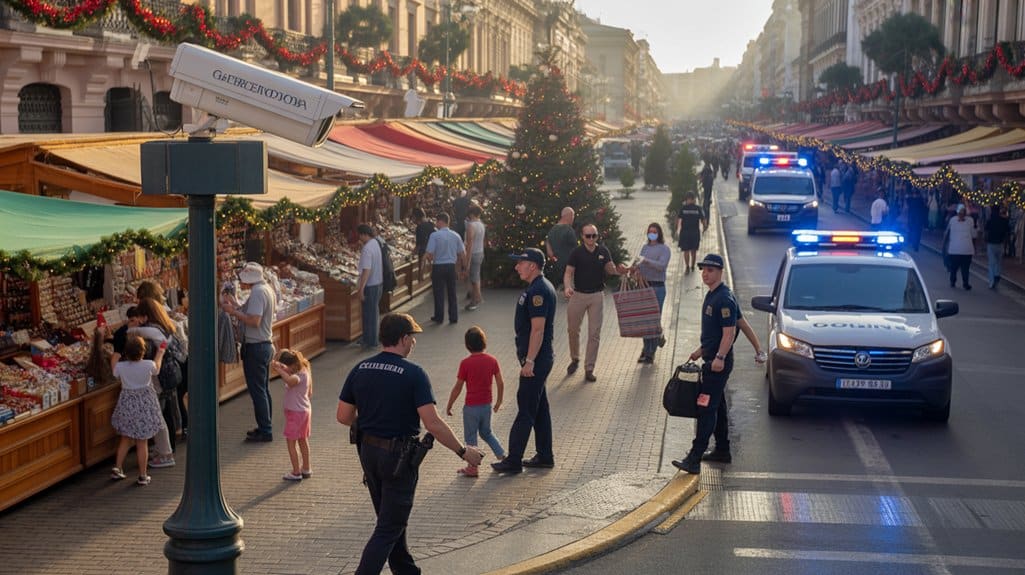
Uruguay’s summer holiday season transforms the country’s security landscape in ways that catch many visitors off guard. December through March sees a notable increase in petty crime as thousands of tourists arrive at coastal hotspots like Punta del Este and Rocha. Thieves know exactly when and where to find distracted vacationers carrying cash, electronics, and valuables.
The pattern repeats itself year after year. Break-ins target rental properties and hotel rooms. Street robberies happen more frequently in busy tourist areas. Car thefts spike as rental vehicles with obvious tourist markings become easy targets. These crimes aren’t limited to beach towns—Montevideo’s wealthier districts like Pocitos and Carrasco also experience increased incidents during peak season.
This seasonal crime wave puts pressure on Uruguay’s image as Latin America’s safest destination. The country consistently ranks well in regional security comparisons, yet local police reports show criminal activity can double in tourist zones during holiday periods. Most incidents involve theft rather than violent crime, but the sheer volume creates challenges for law enforcement.
The government recognizes these patterns. Tourist police units now patrol major destinations during summer months. Officers speak multiple languages and focus specifically on protecting visitors. Plans for a comprehensive National Security Strategy by 2026 aim to address these seasonal fluctuations more effectively. The Interior Ministry is actively collecting proposals and actions from diverse stakeholder groups to shape this upcoming plan.
Timing makes all the difference. Christmas and New Year’s celebrations create perfect conditions for opportunistic crime. People carry more cash than usual. They’re focused on festivities rather than personal security. Hotel lobbies fill with luggage and shopping bags. Restaurants and bars stay crowded late into the night, making it easier for thieves to blend in and identify targets.
Understanding these realities helps visitors take simple precautions without letting security concerns ruin their vacation. Uruguay remains relatively safe compared to neighboring countries, but awareness of seasonal crime patterns makes for smarter travel during the busy summer months.
Crime Statistics and Incidents
Uruguay’s homicide rate climbed to 10.6 per 100,000 inhabitants in 2024, marking a significant increase from the 2014 low of 7.5 per 100,000. The first six months of 2025 recorded 179 homicides, representing a marginal decline from the previous period.
Ministry of Interior data shows overall crime decreased during the same timeframe, yet violent incidents continue to spike periodically. A particularly deadly week in September 2025 saw 12 homicides, with Thursday shift responders alone managing 12 victims across injuries and fatalities. Violence particularly increased from Wednesday to Friday during that week.
International rankings place Uruguay’s 2025 crime index at 52.0, reflecting persistent security challenges. The violence has expanded beyond isolated incidents into what officials describe as an epidemic affecting daily life across communities.
Opposition parties have criticized the government for lacking a comprehensive public safety strategy. The Interior Minister has pledged a hardline approach to criminal activity in response.
The capital faces an evolving threat as organized gangs shift their operations from traditional robbery to extortion and small-scale drug distribution. Montevideo’s periphery has become home to family-based criminal networks operating like traditional mafia groups, while the city serves as a primary destination for sex and labor trafficking affecting both nationals and foreigners.
Six specialized sexual crimes units operate in Montevideo, supplemented by two in Maldonado and one in Salto. These units address the breadth of criminal activity during the holiday season and throughout the year.
Safety Recommendations for Travelers
Christmas season brings unique security challenges for visitors, making practical precautions essential for protecting yourself and your belongings. Moving in groups dramatically improves your safety, especially after dark in urban areas where foot traffic decreases and visibility drops.
Three Montevideo neighborhoods demand heightened awareness: Casavalle, La Teja, and Villa Española. Local crime statistics show these areas experience higher incident rates, particularly targeting tourists who appear unfamiliar with their surroundings. Violent crime is rare when victims do not resist, though maintaining awareness of your environment remains important throughout the city.
Beach visits during Uruguay’s peak summer season from December through March require the same group approach. When you need someone to watch your belongings, ask a nearby person “¿Me lo puedes mirar?” – this simple Spanish phrase creates an extra security layer while you swim or walk along the shore.
Vehicle safety means keeping valuables out of sight and doors locked, particularly at traffic lights and intersections where opportunistic theft occurs most frequently. Thieves often target rental cars and vehicles with foreign license plates during these vulnerable moments.
Monitored ridesharing platforms like Uber provide safer transportation than flagging down random taxis, since these apps track your route and driver identity. Emergency contacts remain straightforward: dial 911 within Montevideo city limits or 02911 throughout the rest of Uruguay.
These evidence-based measures let you experience Uruguay’s vibrant Christmas celebrations while maintaining personal security awareness.
References
- https://www.plenglish.com/news/2025/07/28/uruguayan-government-seeks-consensus-for-security-plan/
- https://www.hireinsouth.com/post/the-ultimate-guide-to-uruguayan-holidays
- https://www.travelandtourworld.com/news/article/christmas-travel-in-europe-2025-essential-advice-for-travelers-facing-widespread-airport-strikes-and-flight-disruptions/
- https://travel.gc.ca/destinations/uruguay
- https://es.churchpop.com/katy-perry-asegura-que-regreso-a-dios-tras-conocer-al-papa-francisco/?s-news-21414597-2025-12-11-uruguay-implements-new-security-program-and-achieves-economic-milestones-in-december-2025
- https://www.guruguay.com/is-uruguay-safe/
- https://www.mymesisfabrykawlosa.pl/?s-news-23337562-2025-12-24-uruguay-declares-end-to-pandemic-emergency-amid-rising-covid-19-cases-and-overburdened-healthcare-system
- https://travel.state.gov/content/travel/en/international-travel/International-Travel-Country-Information-Pages/Uruguay.html
- https://www.plenglish.com/news/2025/09/27/uruguay-marked-by-homicides-in-violent-week/
- https://www.statista.com/statistics/984832/homicide-rate-uruguay/