
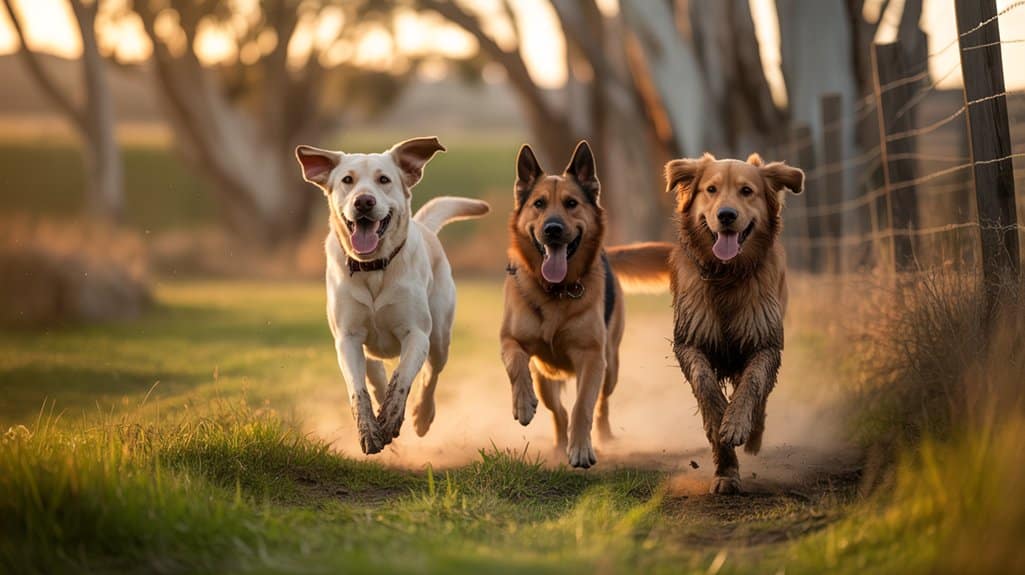
Many of my clients moving to Uruguay from abroad arrive with a Labrador or a shepherd and ask about boarding before they ask about the neighborhood. Start with a cage-free facility that has secure fencing, supervised group play, and written proof of vaccination. Plenty of places in Punta del Este, Canelones, and around Montevideo advertise themselves as “pet friendly,” but the phrase covers everything from a real dog hotel to a backyard with a loose gate. Ask how they handle big dogs specifically, and visit in person before you commit.
Once you’re on site, look at the basics. Fences should be tall and solid, with no gaps at the base, since a determined 35-kilo dog will test every one. Shade and fresh water matter a great deal in a Uruguayan summer, when January heat on open ground gets punishing. Count the attendants against the number of dogs in the yard, and watch how staff separate a rowdy group from a calmer one. Vague answers on any of this mean it’s time to keep looking.
Paperwork is the easy part to check. Every dog on the property should have current rabies, distemper, and Bordetella records, and a good operator will ask for yours before you even hand over the leash. Book early if you’re traveling between December and February, because the best places fill up fast along the coast.
Key Takeaways
After many years helping families settle across Uruguay, from Carrasco apartments to chacras in Canelones and Maldonado, I’ve noticed that dog boarding comes up almost as often as school zones. Cage-free is the norm here, so look for open green space. A “pet friendly” sign means little until you ask directly how many dogs the staff can handle.
Big dogs come with a bit more homework. Over 25 kg, expect a familiarization visit before you can book, and expect prices in weight tiers: up to 15 kg, 15 to 40 kg, and over 40 kg.
Walk the perimeter fence the way you’d check a boundary before buying land, meter by meter. Groups should be split by size and temperament, and staff should be able to see the whole property from where they stand.
Keep your dog’s paper vaccination records (rabies, distemper, Bordetella) at hand, and get the emergency protocol in writing before you pay. If a place gets vague about putting its rules on paper, look elsewhere.
Free-roaming group play is great for social, confident dogs, but it isn’t for every pet. Shared space raises the odds of kennel cough and leptospirosis, so ask about supervision ratios, with something like 1:10 as a reference point.
How Do You Choose a Dog Hotel in Uruguay?
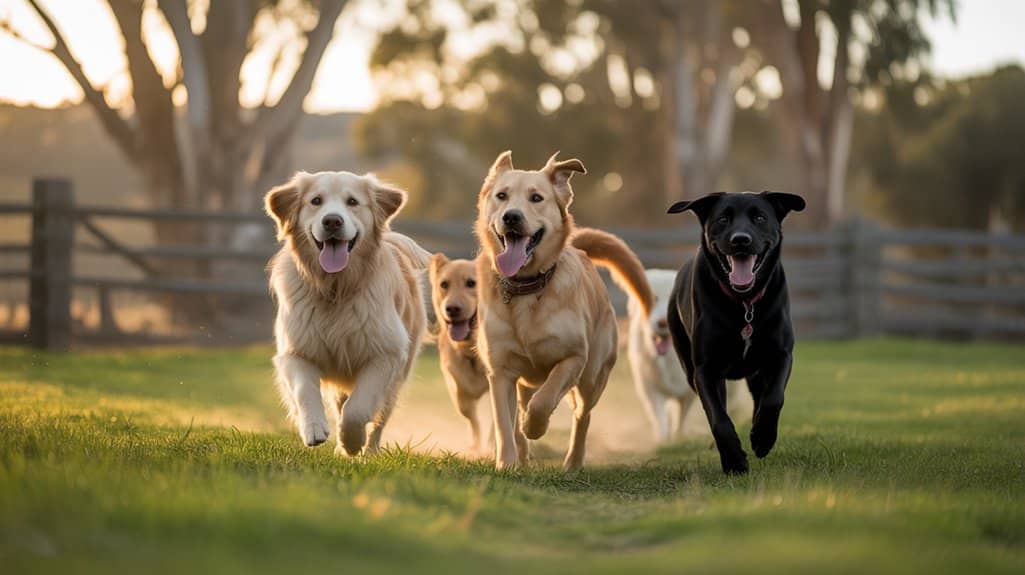
Most of my clients relocating to Montevideo, Punta del Este or the Rocha coast arrive with a dog, and the first thing I tell them is that “pet friendly” on a listing says almost nothing. It’s the same in real estate, where that phrase on a rental ad can hide a weight limit buried in the building’s reglamento de copropiedad. So when you look for a dog hotel, start by asking whether the place can actually handle your dog.
Uruguay leans toward cage-free, “sin encierro” boarding, so look for open green space rather than kennels, much like the room a good chacra in Canelones or Maldonado gives a dog to run. Ask about weight tiers, too. Many hotels price dogs up to 15 kg, 15-40 kg and over 40 kg differently, and dogs over 25 kg often need a familiarization visit first. Freedom still needs supervision, so find out who watches the dogs throughout the day, how few cupos they offer, and whether they admit only dogs that get along with others. La Casa de los Olis, for example, runs a daycare for medium and large sociable dogs with no confinement and limited spots.
Treat the booking like a lease or a promesa de compraventa: before you pay, get the vaccination requirements, the temperament evaluation and the emergency protocol on paper. A hotel that hesitates to spell out its rules is like a seller who dodges questions about the title, and either one should make you walk away.
Is Cage-Free Dog Boarding Right for Your Dog?
Listings in Uruguay love a good label, whether it’s “a estrenar,” “primera línea,” or “vista al mar,” but a label alone won’t tell you if a property will suit your plans, hold its value, or stay free of headaches. Buyers who know what they want and have the paperwork checked tend to do very well in Pocitos, Carrasco, or Colonia. Those counting on a quick resale or steady rental income can hit surprises when the title is unclear or a building’s administration is disorganized.
Match your own plans to the property’s real condition, and put direct questions to the seller and the agent. “Primera línea” might mean a few steps from the sand in José Ignacio, or a lot two blocks back with a sliver of water on the horizon. Ask for the certificados registrales, the recent gastos comunes, and any pending works approved by the building. Then have your escribano go through everything before you sign the boleto de reserva, since in Uruguay that professional is your best safeguard. Cage-free boarding suits social dogs that thrive in group settings, but it is not ideal for every dog, since some may get too stressed and act out.
Dogs Who Thrive Cage-Free
Después de muchos años vendiendo casas y chacras en Uruguay, noto que los perros sociales y seguros de sí mismos son los que mejor se adaptan a las propiedades abiertas y de convivencia, como los barrios privados de Canelones o Maldonado. Muchos compradores pagan por un terreno o una ubicación que no encaja con el carácter de su mascota. Ese tipo de vida da resultado cuando el perro tiene el perfil adecuado, y lo reconocés enseguida si tu perro:
- Es amistoso y extrovertido con las personas y con otros perros
- Tolera bien el ruido, el movimiento y los espacios de juego activos
- Se acomoda en un espacio compartido sin sufrir ansiedad por separación
- Responde bien a las normas y rutinas del grupo
Los perros de mucha energía, sobre todo los acostumbrados a la guardería, son los que primero se adaptan, porque prefieren correr, olfatear y recorrer el terreno antes que pasar horas detrás de una reja. El alojamiento Cage-Free Boarding está pensado justamente para perros sociales que disfrutan de grupos libres y supervisados con cuidado las 24 horas. Si el tuyo se inquieta cuando lo encerrás, una casa con fondo amplio en Ciudad de la Costa, una chacra en Pando o un lote en la zona de Punta Ballena le va a cambiar el día a día. Un apartamento en Pocitos, con su reglamento de copropiedad y sus gastos comunes, puede dejarlo sin salida. Ese detalle conviene mirarlo antes de firmar el boleto de reserva, porque después el ajuste sale caro para todos.
Cage-Free Safety Considerations
Open land doesn’t automatically make for a good cage-free dog business. I see buyers fall for that idea all the time, usually while standing in a beautiful chacra in Canelones or a field outside Maldonado. The property has to earn your confidence. Start with the perimeter and walk every meter of the fence. A loose wire or a gap washed out by heavy rain can cost a dog its life, and a boundary that holds cattle won’t necessarily hold a determined terrier. Then look at the layout. A free-roaming group needs room to be split by size, temperament, and energy, and buildings where staff can see everything without a blind corner. Cameras are easy to install, but check that the site has reliable UTE service and decent internet, which isn’t a given outside the main towns.
Water and drainage come next. Find out whether the lot connects to OSE mains or depends on a well, how waste is handled where there’s no saneamiento, and whether the buildings get real cross-ventilation. Uruguay’s humid summers and damp winters let illness spread fast. A separate structure for sick animals is worth having, and so is space to keep vaccination records in order. Kennel cough is the most common boarding health concern, and it spreads through airborne droplets and through shared bowls, toys, bedding, and kennel runs, so a shared, high-density space needs good airflow and easy-to-clean surfaces. Before you sign any promesa de compraventa, sit down with your escribano and ask the Intendencia and the MGAP which habilitaciones this use requires. Rural zoning and neighbor objections can stop a business that looks perfect on paper. A good deal here is one that lets you meet every one of these points from day one.
Questions to Ask Facilities
After years of showing houses and chacras from Punta del Este to Colonia, I’ve seen how many newcomers board their dog while they tour properties. Most pick the place from a few photos and a friendly WhatsApp exchange, and that’s how dogs end up somewhere that doesn’t suit them. A dog used to open space deserves real answers, so get specific:
- What does a full day look like, from wake-up to bedtime? Get the hours of active play separated from the hours of rest.
- How are dogs grouped by size, age, and temperament, and what screening happens before any of them share a yard?
- What training do the attendants have, how many dogs does each one handle, and do they supervise play or just check in now and then?
- What happens in an emergency, does the facility carry boarding insurance, and how will you get daily updates while you’re out at viewings?
Book a trial day before your property trip, and remember that January and February fill up fast along the coast. Also confirm which vaccines the facility requires, since dogs typically need proof of current rabies, distemper, and Bordetella vaccinations before they can stay. If the replies come back vague, keep looking, because that place won’t give your dog the room it’s used to.
How Does Free-Roaming Dog Boarding Work?
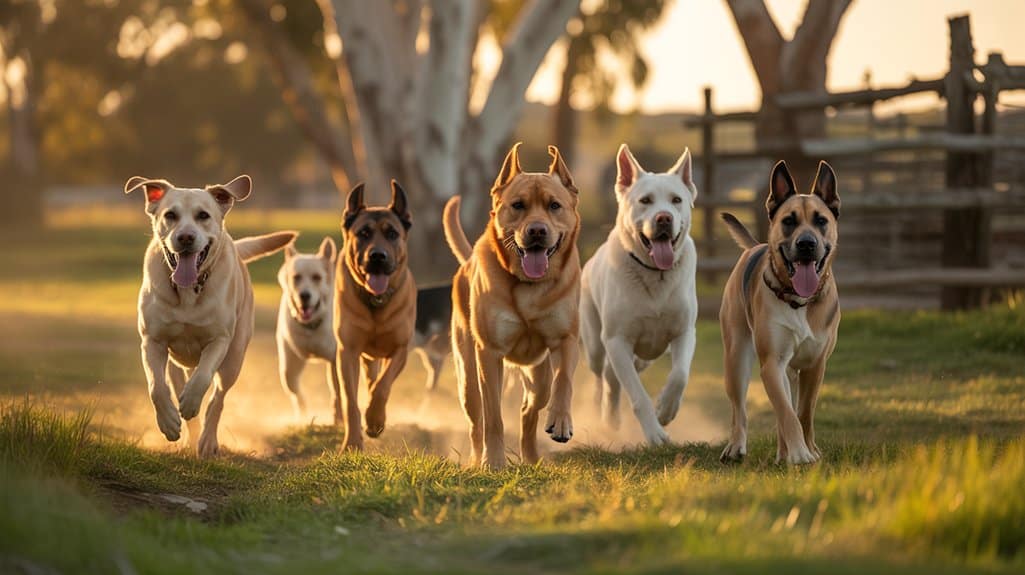
Si está pensando en montar una pensión canina sin jaulas en Uruguay, la propiedad importa tanto como el método. Este modelo cambia el canil por espacio abierto y supervisado, donde los perros pasan casi toda la estadía corriendo, jugando y descansando. Duermen en colchonetas, camas o salas asignadas, y solo entran a un box un rato para comer o descansar. Por eso conviene buscar una chacra o un terreno con cerco perimetral firme y con áreas techadas y descubiertas. En Canelones, en la zona de Pando o en el entorno de Maldonado hay buena oferta de padrones de una o dos hectáreas, a una distancia razonable de Montevideo o Punta del Este. Como siempre hay personal presente, de día y de noche, es útil que la casa principal esté dentro del mismo predio, y que tenga buen acceso por ruta.
Todo gira en torno a cómo se arman los grupos, así que la pensión necesita espacio para separar perros según compatibilidad: una zona de evaluación, otra para la presentación previa y varios patios de juego. Los paseos, las salidas al aire libre y los descansos programados también piden metros disponibles, y la superficie que necesita cada perro condiciona el tamaño del predio. Antes de reservar o firmar, consulte en la Intendencia si el padrón admite este uso, porque la categoría del suelo (rural, suburbano o urbano) y los ruidos hacia los vecinos pueden decidir el negocio. La mayoría de las operaciones se cierra en dólares, y los extranjeros compran en las mismas condiciones que los uruguayos. Le conviene revisar con escribano los títulos, los planos y los gastos de escrituración antes de comprometerse.
Which Dog Hotels Welcome Large Dogs in Uruguay?
Después de muchos años acompañando a clientes que llegan a Uruguay con sus perros para comprar o alquilar, aprendí que “pet friendly” no siempre incluye a los de más de 40 kg. Muchos alojamientos no aclaran ese punto, y conviene preguntarlo antes de fijar fechas de visitas o de mudanza. Estas opciones tienen espacio para perros que necesitan moverse:
- Shadow’s Hotel para Perros: publica tarifas para ejemplares de más de 40 kg y cuenta con espacios verdes y habitación climatizada.
- Hotel Canino de la Ballena: ofrece caniles amplios y techados, con atención personalizada de su dueño.
- Tierra de Perros Uy y Sigor: no indican límite de peso, así que confírmelo por teléfono antes de reservar.
- Aloft Montevideo: recibe perros y gatos de hasta 88 libras (unos 40 kg) por mascota.
Pida las tarifas de hospedaje y consulte la disponibilidad por temporada. En verano, sobre todo por la zona de Maldonado y Punta del Este, los cupos vuelan. Elegir con datos, y no con suposiciones, le da margen para concentrarse en lo importante: encontrar el lugar donde va a vivir.
What Does Playtime Look Like at a Dog Hotel?
After years of selling homes from Montevideo to Punta del Este, I’ve noticed that buyers moving here with a dog almost always ask the same thing: what happens when we travel? At a good dog hotel, playtime is supervised group play. Staff sort dogs by temperament and often by size, watch body language closely, and step in before excitement turns into trouble. It’s no free-for-all. The better facilities keep handler-to-dog ratios near 1:10, require vaccination and temperament screening, and treat safety as the baseline, not a bonus.
Rest matters just as much. Shade and quiet corners make a real difference, especially during a Maldonado summer, because dogs that run without pause get overstimulated. A well-run program plans recovery time as carefully as it plans the games. Since a reliable hotel nearby adds real value to a home in Carrasco, La Barra, or the quinta areas of Canelones, tour the facility before you settle on a neighborhood, and ask to watch a play session in progress.
Supervised Group Play
Buying in Uruguay is not a free-for-all, and anyone who treats it as one is gambling with their savings. The market is open and welcoming, since foreigners buy on the same terms as locals, but it works best when every step has a professional watching it. After many years of working from Montevideo to the Rocha coast, I’ve found that a few habits make the difference:
- Hire your own escribano. This notary reviews the title history, checks for liens, and registers the deed at the Registro de la Propiedad, so your interests stay protected.
- Match the zone to your goal. Pocitos and Carrasco suit steady rental demand, Punta del Este and José Ignacio favor seasonal income, and Colonia or the interior offer lower prices and a quieter pace.
- Budget for costs beyond the price. Count on about 2% transfer tax for each side, agency fees near 3% plus IVA, and notary fees. Most deals are quoted in US dollars.
- Sign a compromiso de compraventa and pay a deposit, usually around 10%, only once the paperwork checks out.
Skip any property with unclear documents or an owner who resists inspection, because a good deal never needs to be rushed. If the title is clean and the location fits your plans, the process is smooth and secure.
Rest and Shade Options
When I show properties for a dog hotel, whether a quinta in Canelones or a chacra near Pan de Azúcar, I start with the rest areas, because a dog can’t tell staff it’s overheated, exhausted, or simply done with the noise. A good facility builds rest into playtime, and you should notice it the moment you walk in. Uruguayan winters are damp, and a sudestada can leave the ground wet and cold for days. Look for raised sleeping platforms, insulated bedding, and separate sleep zones where dogs can leave the play area without being crowded. If a property lacks them, price the retrofit into your offer.
Shade deserves the same scrutiny. Existing eucalyptus and pines help, but rarely enough. Check for permanent options like a tinglado, awnings, or a pergola, and count on portable canopies, sails, or umbrellas to fill the gaps. Several shaded spots let dogs move freely between sun and cover, and each one needs water close by, so confirm the OSE connection or the well’s capacity. The same roofs keep off the rain, but January and February are another matter. For those weeks, ask about ventilation and air-conditioned rooms, and make sure the electrical connection can handle the load.
How Much Does Dog Boarding in Uruguay Cost?
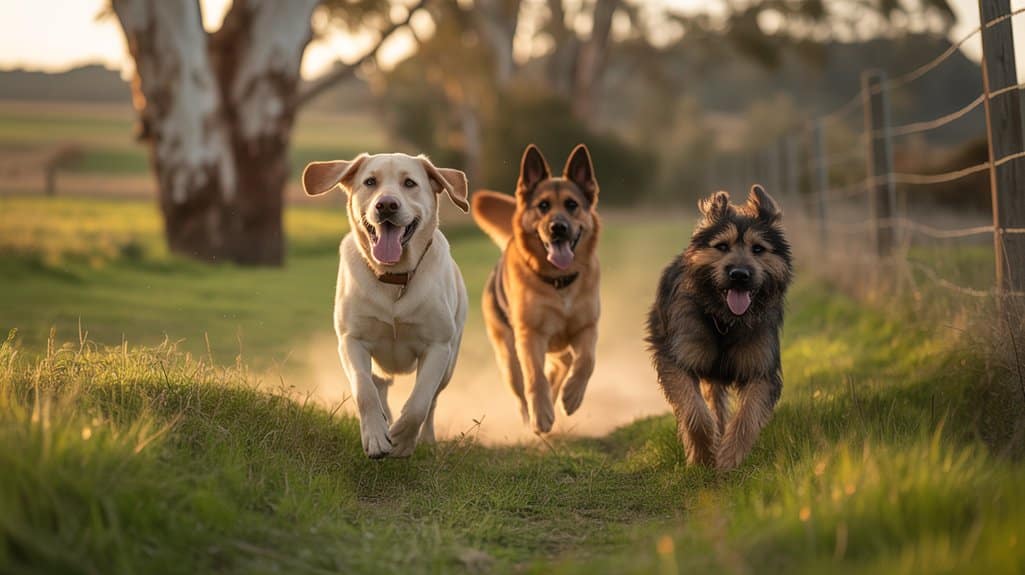
After many years showing homes from Montevideo to the Colonia countryside, I’ve noticed that clients with dogs ask about boarding almost as often as they ask about square meters. There’s no single price, and you’ll find a wide spread. Most places charge $200 to $500 a day, while basic services sit closer to $100 to $200. Location matters, too. Montevideo averages around $450 a night, and in Nueva Helvecia, a favorite with buyers looking for space, one dog costs $600, dropping to $500 when more than two stay.
- Shared stays start near $400 a night, while individual rooms run $500 to $700 if you want climate control.
- Longer bookings bring the rate down. One kennel drops from $850 to $750 a night once the stay passes 30 nights, which helps if you’re between a sale and a move-in.
- Multi-pet discounts come in tiers of 10%, 15%, and 20%.
- Extras pile up fast: food at $60 a day, a bath at $500, and transport on top.
Before you book, ask what the daily rate covers and whether the dogs get room to roam. Then set the quotes side by side, just as you would with two properties that look identical on paper.
What Vaccines Does Dog Boarding Require in Uruguay?
Families relocating to Uruguay often ask me about dog boarding before they ask about closing costs, especially when a property hunt in Punta del Este or Colonia means a few nights away from the dog. After many years in this market, I can tell you rabies is the one item no facility bends on, and the paperwork has to prove it. The certificate should list the date, type, series, and brand, and the shot must still fall within the manufacturer’s validity period. A first-time dose needs at least 21 days before entry, and some places want 30, so ask about intake policy the moment you shortlist a kennel.
Past rabies, expect distemper, parvovirus, and adenovirus on the list. Parainfluenza and leptospirosis come up often where dogs roam freely and play in groups. Puppies under three months fall under separate rules and stay out of the pack until fully covered, so complete records matter even more for them.
The smaller items round out the list: deworming within 15 days, a clinical exam within 10, and possibly a microchip. Get those done and your dog can roam while you tour houses.
References
- https://shadowshotelparaperros.uy/
- https://entrepatas.uy/Lugares
- https://www.kcu.com.uy/
- https://tatupet.com.uy/category/servicios/hoteles/
- https://dogcenter.uy/category/alojamiento-para-mascotas/
- https://urbanhouseuruguay.com/
- https://huelladekanel.com/
- https://tatupet.com.uy/category/servicios/1-servicios-de-cuidado-y-alojamiento/hoteles/
- https://www.tierradeperrosuy.com/
- https://lospinoscoloniahotel.com.uy/hotel/hotel-y-guarderia-patitas/


