
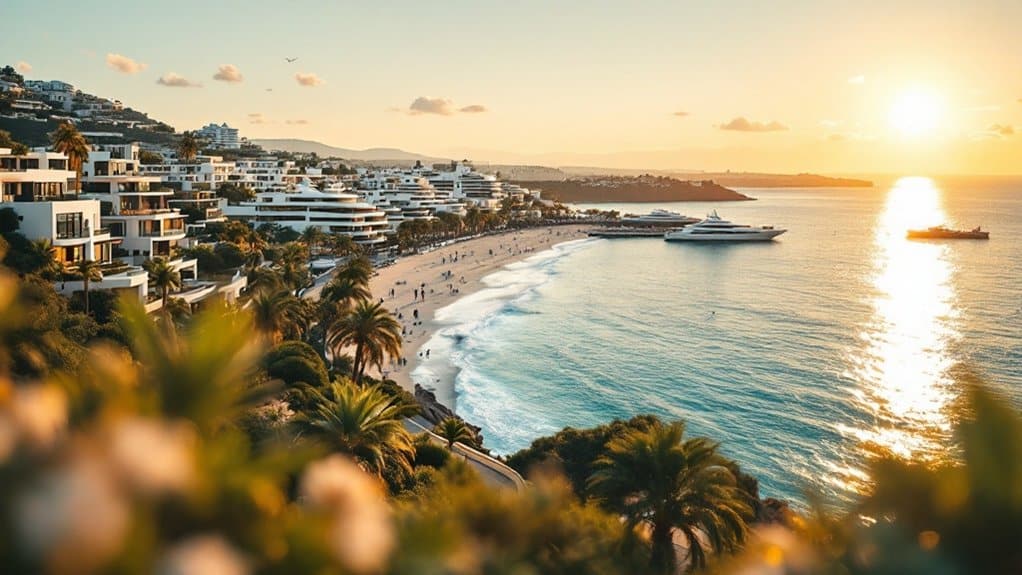
Punta del Este and Uruguay’s coastal corridor consistently attract foreign buyers for good reason. Property ownership here comes with no restrictions, no permits, and no quotas , foreign nationals hold exactly the same rights as Uruguayan citizens, which is something you rarely see elsewhere in the region.
The numbers speak for themselves. Beachfront and gated community properties have been delivering between 8% and 12% annual appreciation, and prime rentals are generating gross yields of up to 12%. These aren’t projections built on optimism , they reflect a market that has held steady through cycles that rattled neighboring countries.
What makes this corridor particularly compelling is how straightforward capital deployment actually is. There are no bureaucratic layers slowing down acquisition, and the legal framework is transparent and well-established.
Whether you’re looking at a penthouse in Punta del Este or a villa along the quieter stretches of José Ignacio or La Barra, the path from interest to ownership is cleaner than most buyers expect.
Key Takeaways
Foreign nationals enjoy the same property rights as Uruguayan citizens , no permits, quotas, or government approvals standing between you and a coastal purchase. That legal simplicity is one of the first things I point out to clients, because it removes a layer of friction you’d face in most other Latin American markets.
La Barra and José Ignacio have been particularly strong performers, with luxury beachfront properties appreciating around 12% annually in 2025. Foreign buyers account for roughly 75% of demand in those corridors, and that sustained interest is what keeps values moving in one direction. On the rental side, prime beachfront properties are generating gross yields between 8% and 12%, with peak season returns running $8,000 to $25,000 per month depending on the property.
Uruguay’s tax residency framework adds another dimension worth understanding before you structure a purchase. Qualified investors currently benefit from an 11-year exemption on foreign-sourced capital income, and there’s no capital gains tax on property , a combination that’s genuinely rare in the region and one that significantly improves your net return picture.
Looking ahead, beachfront luxury properties are projected to appreciate 8% to 12% annually through 2026 and 2027, comfortably outpacing the broader market. The fundamentals supporting that forecast , limited coastal inventory, consistent foreign demand, and a stable legal environment , are the same ones that have defined this market for years.
Why Foreign Buyers Keep Choosing Punta Del Este

Punta del Este keeps drawing foreign buyers for reasons that go well beyond lifestyle appeal, and after years of working in this market, I can tell you the fundamentals here are genuinely different from what you’ll find elsewhere in the region.
Uruguay’s political stability isn’t something that shifts with election cycles, and that matters enormously when you’re placing serious capital. Property rights for foreign buyers are identical to those held by citizens, the economy operates in U.S. dollars, and the legal framework is transparent and consistently enforced. These aren’t selling points, they’re the baseline conditions that serious investors expect and rarely find all in one place.
The tax structure deserves particular attention. Foreign-source income carries no tax obligation for the first 11 years of residency, and there are no capital gains taxes on property. That combination creates real financial freedom, not the kind that gets walked back through hidden levies or policy reversals.
The community itself has expanded by around 15,000 people since the pandemic, and that growth reflects permanent relocation decisions, not seasonal interest. Year-round residents support a cultural and social infrastructure that makes Punta del Este function as a genuine home rather than a resort destination.
What I find most telling is that international buyers now account for 75% of luxury purchases here. That’s not speculation or momentum trading. These are deliberate decisions by people who have looked at the alternatives and concluded that Punta del Este offers something the others simply don’t, a jurisdiction that actually holds up over time. Foreign inquiries into the market have risen 20% over the past year, reflecting sustained and growing confidence from buyers across Argentina, Brazil, Europe, and North America.
What Do Luxury Properties in Punta Del Este Actually Cost?
Pricing in Punta del Este can genuinely catch people off guard if they come in without a clear sense of what the tiers actually look like. The median home hovers around $220,000, but that number tells only part of the story. Beachfront premiums shift things considerably, pushing luxury condos into the $800,000 to $5,000,000 range, with penthouses in prime locations crossing $10,000 per square meter. Villas in La Barra and the better gated communities typically land between $1.5 million and $4 million, and the top of the market right now sits above $17 million.
What many buyers don’t anticipate until it’s almost too late is the closing cost layer sitting on top of all of this. Transaction fees and taxes add another 8% to 12% to the purchase price, which on a $2 million property becomes a significant line item that needs to be in the budget from day one, not discovered at the notary’s office. Listings currently on the market reflect this range directly, with properties like the Elegant House Close to Sea offered at USD 1,038,600 and others such as the Mansión en Alquiler reaching USD 1,296,600.
The market here rewards buyers who understand exactly which tier they’re entering and why properties are priced where they are. Proximity to the water, the specific neighborhood, construction quality, and whether a property sits inside a managed community all drive the numbers in ways that aren’t always obvious from a listing alone. Knowing those distinctions before you start viewing properties makes the entire process far more productive.
Rental Yields and Returns on Punta Del Este Investment Properties
Rental yields in Punta Del Este tell a pretty clear story once you understand what drives them. Gross annual returns range from around 4.5% all the way up to 10.4%, and that spread comes down to three things: your strategy, your property type, and how well the operation is managed. Peak season is where the real money moves , a well-positioned high-end apartment pulling $20,000 a month during January and February can push gross yields into the 7% to 10% range without much trouble. Long-term annual leases sit lower, typically between 5% and 7%, but they come with something short-term rentals rarely offer: predictability.
The decision between short-term and long-term arrangements is genuinely one of the most important calls you’ll make as an investor here. Short-term operations give you the upside, especially during Punta’s intense summer season, but they require active, competent management , the kind that handles turnovers, guest relations, and seasonal pricing without dropping the ball. Long-term contracts remove most of that complexity and deliver steady income month after month, which suits investors who aren’t based locally or simply prefer a quieter asset. Neither path is wrong; it just depends on what you’re optimizing for and how hands-on you’re willing to be. Among the more grounded entry points, Maldonado Centro 1-bedroom apartments stand out with net yields reaching 4.8% at purchase prices around UYU 4.45 million, making them the most cost-efficient option for yield-focused buyers.
Peak Season Rental Returns
Peak season in Punta del Este runs December through March, and those four months are where the real money gets made. Premium listings in the best locations , think Rambla neighborhoods and the most sought-after streets in La Barra , regularly pull between $8,000 and $25,000 per month. Well-positioned houses and apartments in solid but less exclusive areas typically land between $4,000 and $11,000. These aren’t aspirational numbers; they reflect what the market consistently delivers to owners who price and present their properties correctly.
Occupancy tells the fuller story. La Barra and similar high-demand sectors run close to 100 percent capacity during peak weeks, then quiet down considerably once the season closes. That swing is sharp, and it shapes everything about how you should think about returns. Profit margins above 50 percent during high season are realistic, but they come alongside genuinely slow winters. Most owners earn 70 to 80 percent of their annual rental income within an 8 to 12 week window , which sounds concentrated until you run the actual numbers and see what that short burst produces.
The investors who do well here aren’t the ones expecting year-round consistency. They’re the ones who understand exactly how Punta del Este works , plan around the season, price aggressively when demand is there, and treat the quieter months as part of the model rather than a problem to solve. Furnished units command a 15 to 25 percent premium over unfurnished equivalents, making fit-out investment one of the more straightforward ways to lift annual returns without changing location.
Annual Yield Potential
Gross rental yields in Punta del Este typically fall between 5.0% and 6.0% annually for apartments, with the realistic range stretching from 4.5% to 7.0% depending on where the property sits and what type it is. Those figures hold reasonably well even as property prices have appreciated sharply since 2020, which tells you something about the underlying rental demand in this market.
Foreign individual owners who secure long-term annual leases generally land between 3.5% and 4.2% net, once you factor in taxation, vacancy periods, and maintenance. That gap between gross and net is worth keeping in mind early in any investment conversation, because it shapes realistic return expectations considerably.
Comparing Punta del Este to Montevideo, gross yields run in a similar 5% to 7% range, though coastal properties carry seasonal volatility that the capital simply doesn’t. That seasonality cuts both ways , strong short-term rental income in summer, softer demand outside peak months , so your strategy matters as much as the location itself.
Properties outside the immediate city center occasionally push gross yields toward 10.4%, and that kind of upside is real when long-term demand and positioning align well. These opportunities reward investors who understand the micro-markets within the broader Punta del Este area rather than treating the whole coast as a single uniform market. Among the stronger performers, Roosevelt and Cantegril two-bedroom apartments consistently achieve around 4.1% net yield at purchase prices near UYU 9.4 million to 9.8 million, making them a practical benchmark for evaluating other opportunities across the coast.
Short Versus Long Term
Deciding between short-term and long-term rentals in Punta del Este is one of the most consequential choices you’ll make as an investor here , it directly shapes your risk exposure, how much time you’ll spend managing the property, and what you can realistically expect to earn.
Short-term rentals can generate gross yields between 8.0% and 12.0% on prime beachfront properties, which sounds compelling until you look at the occupancy numbers. The median property sits around 28% annual occupancy. Top performers push past 66%, but reaching that level requires dynamic pricing, consistent marketing, and hands-on operational management throughout the season. Most investors underestimate that workload until they’re in it.
Long-term contracts tell a different story. Gross yields typically land between 5.0% and 7.0%, but once the lease is signed, the management demands drop significantly. For anyone focused on building steady, reliable income rather than chasing peak-season returns, that trade-off is worth taking seriously. Punta del Este has a strong base of long-term tenants , families, professionals, and retirees who value the lifestyle here year-round , so vacancy risk is manageable when the property is priced and presented well.
Neither model is inherently superior. What matters is honest alignment between the strategy and your actual capacity to execute it. Short-term can outperform, but only with exceptional execution. Long-term delivers predictability that most investors, over time, come to appreciate more than they expected.
Punta Del Este Price Appreciation Rates and Near-Term Forecasts
Punta del Este’s broader market closed 2024, 2025 with around 10% annual price appreciation, which is a figure worth paying attention to if you’re weighing entry timing. La Barra and José Ignacio moved even faster, with luxury beachfront properties posting gains above 12% annually , and that’s no coincidence, given that foreign buyers accounted for roughly 75% of all luxury transactions in 2025. Demand at that level tends to sustain pricing pressure regardless of what the wider market does.
For 2026, broader market appreciation is forecast in the 3% to 7% range, though beachfront luxury is expected to hold closer to 12%. That gap matters when you’re deciding where to allocate. Beachfront inventory in premium zones remains genuinely constrained, and Uruguay’s stable legal framework for foreign ownership means that capital keeps flowing in from Argentina, Brazil, and Europe without the friction you’d encounter elsewhere in the region. Those fundamentals don’t shift quickly, which is part of why the upper segment consistently outperforms the headline numbers.
Recent Price Growth Trends
Punta Del Este has shown remarkable consistency in value growth, averaging around 10% annually through 2024, 2025, with premium zones reaching 11.67%. That kind of steady appreciation doesn’t happen by accident , it reflects real structural demand, not a speculative cycle.
| Zone | Appreciation Rate | Period |
|---|---|---|
| General Market | 7.00% , 8.01% | 2024, 2025 |
| Premium Zones | 11.67% | 2024, 2025 |
| La Barra & Manantiales | 12.00% | 2024, 2025 |
| José Ignacio | 12.00% | 2024, 2025 |
| USD-Term General | 6.90% | 2024, 2025 |
La Barra, Manantiales, and José Ignacio are each holding at 12% , and if you know these areas, you understand why. Supply is tight, the lifestyle offering is genuinely world-class, and foreign buyers continue to seek them out precisely because they hold value across economic cycles. The broader USD-denominated general market at 6.90% still outperforms what you’d find in comparable regional destinations.
What underpins all of this is straightforward: disciplined supply management, ongoing infrastructure investment, and sustained international interest. Buyers here are acquiring tangible, dollar-denominated assets in one of the most politically and financially stable countries in Latin America , and that combination is difficult to replicate elsewhere in the region.
Luxury Segment Outperforms Market
The luxury segment in Punta del Este isn’t just keeping pace , it’s pulling ahead, and the gap is widening. Beachfront properties and gated communities recorded appreciation rates exceeding 12% annually as of mid-2025, while the broader market averaged between 7% and 10%. That difference matters when you’re making a long-term capital commitment.
La Barra and Manantiales have been driving this performance consistently, with prime seafront villas gaining 10% to 15% over two to three years. Non-luxury inventory, by contrast, stagnated below 5% , a spread that tells you exactly where demand is concentrating. Buyers who recognized this dynamic early have been well rewarded.
Looking ahead to 2026, 2027, luxury coastal segments are projected to sustain annual appreciation in the 8% to 12% range. For anyone focused on building real wealth through property, Punta del Este’s premium tier continues to be where the numbers make the strongest case.
Near-Term Appreciation Forecasts
Punta del Este is holding its value well, and the numbers back that up. Across the broader market, annual appreciation is tracking between 3% and 7% over the next twelve months, but that figure tells only part of the story. Luxury beachfront properties are pushing past that range entirely, driven by foreign capital and a consistent pipeline of buyers who want more than a seasonal retreat.
What’s worth noting for anyone negotiating right now is that discounts are still running around 6% below asking price. That’s not a sign of weakness , it’s simply the room the market has traditionally allowed, and experienced buyers know how to use it.
Secondary inventory is a different conversation. Sellers in that segment tend to hold firm, so flat movement there isn’t surprising and shouldn’t be read as stagnation across the board.
Uruguay’s fundamentals are genuinely different from what you see in more volatile coastal markets. Infrastructure continues to improve, year-round demand has grown steadily, and the legal framework here remains one of the most stable in the region for foreign ownership. Those aren’t talking points , they’re the reasons this market keeps attracting serious capital even when other markets hesitate.
The growth here is measured and consistent, which honestly suits the kind of buyers Punta del Este tends to attract.
Can Foreigners Actually Own Property in Uruguay?
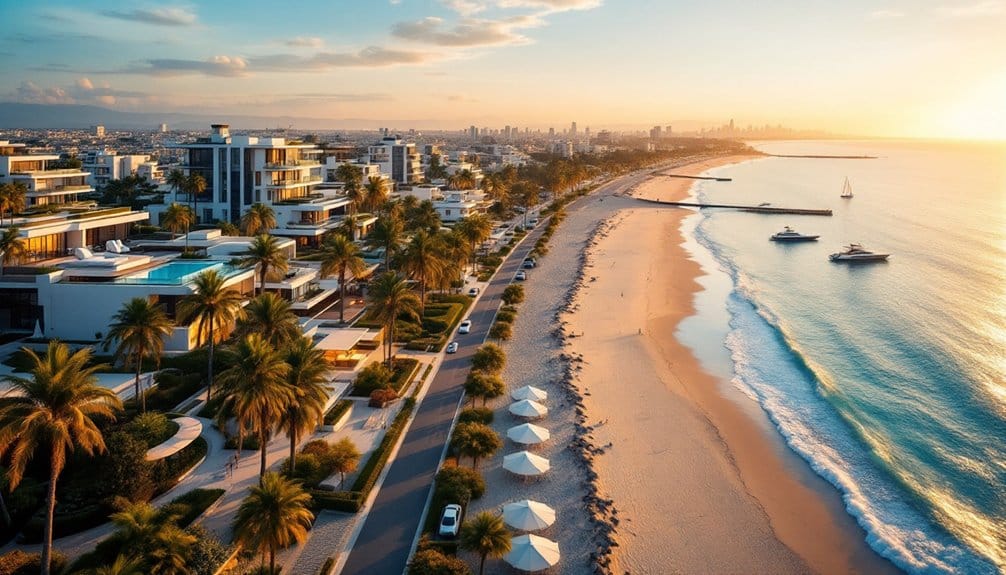
One of the first questions I hear from international clients is whether Uruguay will throw up legal barriers the moment they try to buy property here. It never does. Foreign nationals enjoy the exact same ownership rights as Uruguayan citizens, with no quotas, no special permits, and no minimum investment requirements blocking the path forward.
The paperwork side of things is straightforward. You need a valid passport, a Uruguayan Tax Registry number, which we call the RUT, and documentation showing your source of funds. That’s genuinely it. No residency status, no visa category, no prior approval from any government body. The purchase process itself runs along the same lines as any local transaction, title verification, notarized deed execution, and registration with the property registry.
What that means in practical terms is that you can buy a beachfront lot in Punta del Este, an apartment in Montevideo’s Ciudad Vieja, or agricultural land out in the interior, all directly in your own name from day one. There’s no need to structure ownership through a local entity unless you specifically want to for tax or estate planning purposes.
Uruguay has made a deliberate policy choice here, and after years working in this market, I can tell you it’s a real differentiator. Most countries complicate foreign ownership at some level. Uruguay simply doesn’t.
Uruguay’s Tax Residency Rules and the US$2 Million Threshold
Uruguay’s tax residency framework changed substantially on January 1, 2026, and if you’re considering a property investment here, these shifts matter more than most people initially realize. The old US$590,000 real estate entry point no longer applies. In its place sits a US$2 million threshold, specifically tied to Punta del Este and the coastal corridor , markets I’ve watched evolve for decades and where serious capital has always found its footing.
Qualifying through real estate now demands a meaningfully higher commitment, though the path isn’t limited to property alone. Spending 183 days physically present in Uruguay each year remains a valid route, as does contributing US$100,000 annually to the National Innovation Fund over 11 consecutive years. Each option carries its own lifestyle and financial logic, and the right fit depends entirely on your broader goals.
What hasn’t changed is the reward for those who do qualify. An 11-year exemption on foreign-sourced capital income is genuinely attractive by any international standard, followed by a reduced 6% transition rate once that window closes. Miss the qualification criteria, though, and you’re looking at an immediate 12% tax with no grace period. Uruguay rewards clarity and commitment , it always has , and this new structure simply makes that expectation more explicit.
How Punta Del Este Became a Year-Round Luxury Market
Punta del Este’s transformation into a year-round market didn’t happen by accident, and if you’re evaluating property here, understanding that shift is essential. The World Trade Center Free Zone opening in Maldonado was a genuine turning point , it pulled in corporate offices, education services, and business tourism that simply didn’t exist before, and that activity doesn’t disappear in March when the summer crowds leave.
The post-pandemic period added roughly 15,000 permanent residents to the area, and that’s not a temporary spike. Brokers across the market confirm that year-round demand has held firmly for at least three consecutive seasons now. That kind of sustained occupancy changes the math on an investment completely.
The infrastructure followed the demand, as it tends to do in mature markets. Smart Towers with executive co-working spaces and 24/7 concierge services are now the baseline expectation for buyers in this segment, not a premium add-on. Commercial spaces on the top avenues are running at nearly 100% occupancy, with annual rents reaching USD 110,000. Those numbers reflect a city operating on a different rhythm than it did even five years ago.
The old seasonal retreat argument just doesn’t hold up to scrutiny anymore. If you’re still pricing Punta del Este as a summer-only market, you’re working with an outdated model , and likely leaving real value on the table.
References
- https://www.riotimesonline.com/punta-del-este-uruguay-luxury-wealth-hub-cipriani-2026/
- https://timesofmalta.com/article/International-real-estate-buyers-eye-Punta-del-Este.540304
- https://www.realestate-in-uruguay.com/blog/uruguay-luxury-real-estate-market-trends/
- https://thelatinvestor.com/blogs/news/punta-del-este-price-forecasts
- https://www.youtube.com/watch?v=1QIWn0TMMvc&vl=en
- https://www.globalpropertyguide.com/latin-america/uruguay/price-history
- https://www.youtube.com/watch?v=oPKe3DAT9tk
- https://www.jarniascyril.com/international-real-estate/invest-in-real-estate-uruguay-market-guide/uruguay-luxury-real-estate-market-punta-del-este-jose-ignacio/
- https://www.realestate-in-uruguay.com/de/blog/punta-del-este-vs-jose-ignacio-luxury-real-estate/
- https://luxurypunta.com/en/extranjeros