
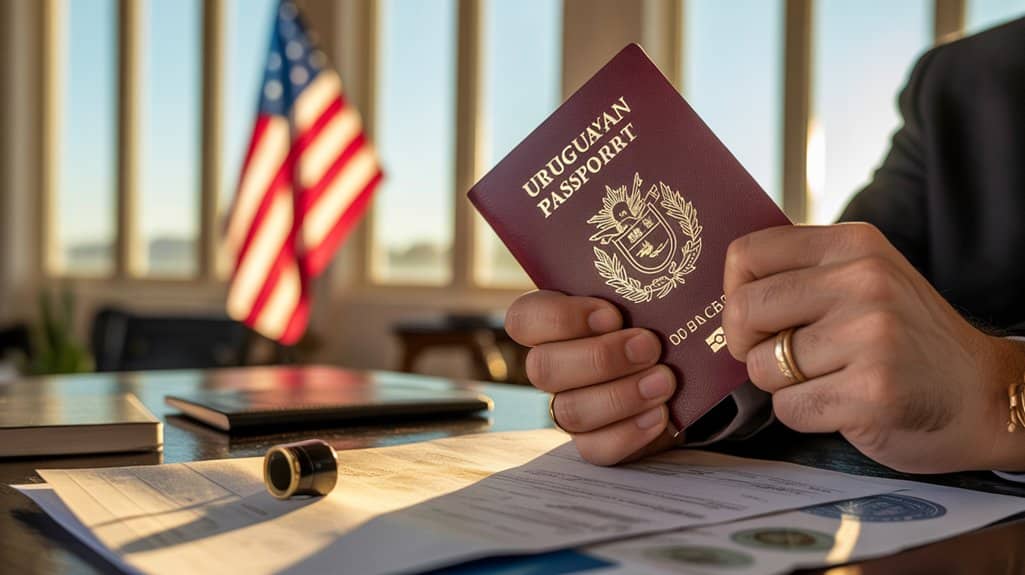
Starting this January, families across Uruguay and 74 other nations hit an unexpected wall in their path to American residency. The U.S. government announced a suspension of immigrant visa processing, the paperwork that leads to green cards and permanent residence status.
Tourist visits continue as normal, but thousands waiting to join family members now face indefinite delays. This freeze affects only immigrant visas, which differ from tourist or business travel documents. Immigrant visas allow people to move permanently to the United States, often to reunite with spouses, children, or other relatives who already live there.
The suspension doesn’t touch temporary visitor visas, so Uruguayans can still travel to America for vacations or short-term business. The timing creates particular hardship for families already deep in the application process. Many Uruguayan applicants have spent months or years gathering documents, passing medical exams, and attending interviews at the U.S. Embassy in Montevideo.
These families now wait without knowing when processing might resume. The State Department cited operational challenges as the reason for the pause, though they haven’t provided specific details about what caused these issues or how long the suspension might last. Similar freezes have occurred before during periods of high application volumes or administrative restructuring.
Uruguayan families caught in this situation have limited options. They can maintain their place in line by keeping all documentation current and responding promptly to any embassy requests. Some may qualify for different visa categories that aren’t affected by the freeze.
Legal experts recommend consulting with immigration attorneys familiar with U.S. law to explore alternative pathways. The suspension reminds us how immigration policies can change quickly, affecting real people’s lives.
For Uruguayan families planning to reunite in America, staying informed about policy updates and maintaining complete documentation remains their best strategy while waiting for normal processing to return.
Key Takeaways
The United States has suspended visa processing beginning January 21, 2026, targeting 75 countries deemed high-risk. Uruguay joins this list alongside Somalia, Russia, Afghanistan, Brazil, and Iran, marking a significant shift in American immigration policy.
This freeze specifically blocks immigrant visas that lead to permanent residency. Uruguayans planning to visit for tourism or business can still apply for temporary visas, though processing may face delays. The distinction matters because it separates those seeking to build new lives in America from short-term visitors.
Millions of people worldwide now face indefinite delays in obtaining green cards. Uruguayan families already separated by the immigration process must wait longer for reunification. Workers holding temporary permits find themselves in limbo, unsure whether they can transition to permanent status.
The policy introduces tougher financial requirements that many Uruguayans may struggle to meet. Applicants must demonstrate they won’t need government assistance by showing strong English skills, higher education credentials, and substantial financial resources. These standards reflect a broader push to reshape who gains entry to the United States.
Presidential Proclamation 10998 does allow some exceptions, though details remain limited. Uruguayans with pending applications should check travel.state.gov regularly for updates and keep thorough records of all documentation. The website serves as the primary source for policy changes that could affect individual cases.
This policy represents the most restrictive approach to immigration from Uruguay in recent decades. Families planning to immigrate should prepare for extended waiting periods and higher barriers to entry than previous applicants faced.
75 Countries Hit by U.S. Immigrant Visa Freeze Starting January 21, 2026
A massive immigrant visa freeze kicks in on January 21, 2026, blocking applications from 75 countries that U.S. officials consider high-risk sources of migrants who could end up needing government benefits. The affected nations include Somalia, Russia, Afghanistan, Brazil, and Iran, with Uruguay making the list as well.
For Uruguay specifically, this creates an unusual situation. The country has historically maintained stable diplomatic relations with the United States and boasts relatively low emigration rates compared to other South American nations. Most Uruguayans who seek U.S. residency do so through family reunification or employment-based categories rather than asylum claims. The inclusion of Uruguay alongside countries facing active conflicts or economic crises suggests the freeze applies broad criteria that don’t necessarily reflect individual country circumstances.
The suspension affects millions worldwide who were planning to apply for green cards through family sponsorship or employment pathways. State Department officials say they’ll spend this time overhauling how they screen applicants, but they haven’t set any deadline for when normal processing might start again. The pause aims to assess vetting procedures under existing immigration law.
People visiting for tourism or business can still get their visas processed normally. Anyone who already has an approved immigrant visa gets to keep it. The 2026 World Cup creates a special exception, allowing participants to proceed with their applications despite the freeze.
Families caught in this freeze face real hardships. Uruguayan families with relatives already in the U.S. who were planning to join them through legal immigration channels now find themselves stuck in limbo, unable to predict when they might reunite or whether the rules will change again before processing resumes.
Complete List of Countries Affected by the Visa Processing Pause
The visa processing freeze affects 75 countries spanning multiple continents. Countries from Africa, Asia, the Middle East, Latin America, and select European nations face delays in their visa applications during this suspension period.
The geographic distribution reveals the policy’s extensive reach. African nations represent a significant portion of the affected countries, while several Asian countries also experience processing interruptions. Middle Eastern countries face similar restrictions, and various Latin American nations encounter the same delays. Some European countries round out the list of affected regions.
Understanding which specific countries fall under this pause matters for anyone planning travel, conducting business, or maintaining family connections across these borders. The suspension creates practical challenges for residents of these 75 nations who need to travel for work, education, medical treatment, or family emergencies. The White House cited the public charge provision as justification for implementing the visa pause, emphasizing the prevention of individuals who may rely on government benefits.
All 75 Nations Listed
Seventy-five countries can no longer process visas under this directive, creating a standstill that reaches across multiple continents. People from Africa, Asia, the Middle East, Latin America, and Eastern Europe find themselves caught in this policy shift. Official statements specifically named Somalia, Haiti, Iran, and Eritrea, while Russia, Afghanistan, Brazil, Nigeria, and Thailand also made the list.
The affected nations represent a mix of economic situations and diplomatic ties with the United States. State Department officials point to welfare usage statistics among immigrants from these countries as the driving factor behind their analysis. Several of these nations already operated under existing travel limitations before this announcement. The sheer number of countries involved shows how far-reaching these visa policy changes have become.
India’s exclusion from this extensive list brings up legitimate questions about how officials determined which countries to include. Consular officers now evaluate applicants using criteria such as health, age, economic situation, and language abilities. This pause marks one of the most comprehensive shifts in immigration policy we’ve seen in years, touching nearly every region of the world where people seek to travel to America.
Regional Distribution Breakdown
Regional Distribution Breakdown
Five continents see nations clustered into regional groups under this visa processing freeze. The pattern shows how immigration policy changes ripple across different parts of the world.
Africa bears the largest burden with roughly 25 countries affected. Major population centers like Algeria, Egypt, Nigeria, and Sudan face these new restrictions. Smaller nations including Angola, Benin, and Burkina Faso round out the continent’s substantial representation.
Asia contains some of the most significant cases. Afghanistan will experience a complete suspension beginning January 1, 2026. Iran, Iraq, and Yemen face limitations tied to security concerns. Pakistan, Uzbekistan, and Kazakhstan also join the 75-country suspension list.
European nations on the list include Russia, Belarus, and several Balkan states. The Americas contribute Brazil, Colombia, Cuba, Haiti, and Uruguay to this group. Oceania adds countries like Fiji, showing how this pause reaches every corner of the globe.
Uruguay’s inclusion reflects broader regional trends affecting South American immigration patterns. The country’s placement alongside other American nations suggests these restrictions target specific economic or diplomatic relationships rather than geographic proximity alone. For Uruguayans seeking visas, this means navigating the same processing delays as applicants from much larger neighbors like Brazil and Colombia. The pause begins on Jan. 21 and continues indefinitely as consular officers conduct their reassessment.
Which Visa Types Are Suspended and Which Continue Normally
Understanding which visas face restrictions and which ones continue as usual helps individuals plan their travel and immigration steps.
The visa processing impacts differ significantly between categories. Tourist and business visas remain fully available for affected nationals from the 75 countries facing immigrant visa suspension. These nonimmigrant applications proceed normally at consular offices.
Starting January 21, 2026, immigrant visas, which lead to permanent residency, face complete suspension with no set end date. This creates a clear divide between temporary and permanent immigration pathways.
A separate group of 19 countries experiences broader restrictions under Presidential Proclamation 10998. These nations face either complete visa freezes or partial suspensions that block specific categories like student visas.
Visas issued before these restrictions took effect remain valid and usable. Emergency situations may qualify for case-by-case waivers through consular officers, though each case gets evaluated individually. The Secretary of State or a designee may approve travel serving U.S. national interest after coordinating with the Secretary of Homeland Security.
The distinction between these categories matters because it determines which immigration routes stay open. While temporary visitors can still apply for short-term visas, those seeking permanent status must wait until the suspension lifts.
Why Public Charge Concerns Are Blocking Immigrant Visas
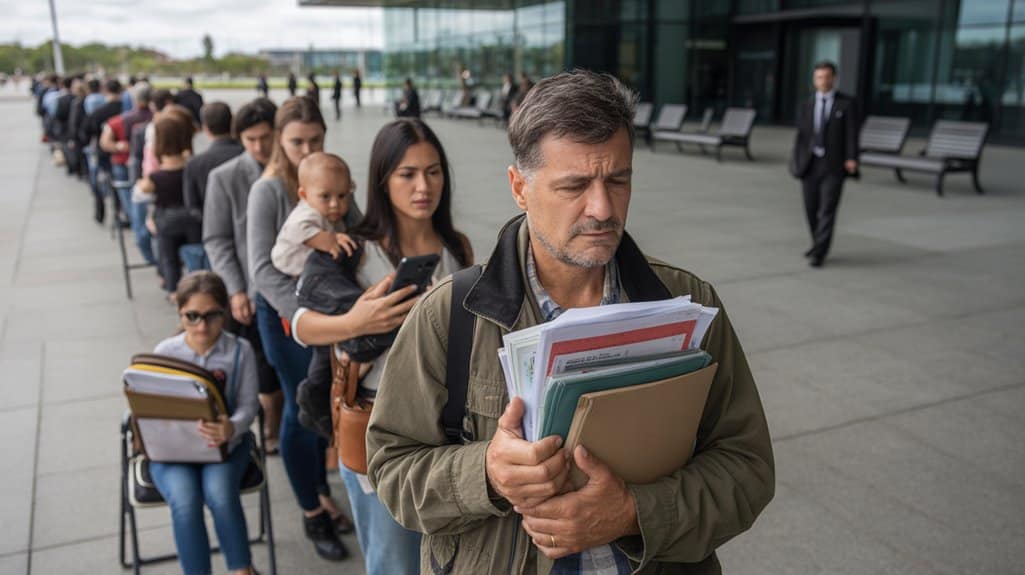
Immigration officers spend their days evaluating whether visa applicants can financially survive in America without tapping into government benefits. This assessment process, known as the public charge rule, gives officials the authority to reject applications from people who appear likely to depend on cash welfare programs or costly medical services funded by taxpayers.
The screening process has gotten much tougher in recent years. Officials now scrutinize applicants’ education levels, English skills, and financial resources more carefully than before. They also consider whether someone has chronic health conditions that might require expensive treatment.
These stricter standards create real obstacles for different groups of immigrants. Elderly parents joining their adult children face rejection if they might need Medicaid-covered nursing home care. Young adults from low-income backgrounds struggle to demonstrate they won’t need food stamps or housing assistance. Even skilled workers can hit roadblocks if they have medical conditions or large families to support.
The rule affects both family-based immigration and employment cases. Spouses and children of U.S. citizens must now provide extensive financial documentation that wasn’t required before. Workers applying for green cards through their employers face additional scrutiny about their long-term earning potential and healthcare needs. Immigration officers evaluate applications based on a wide range of factors, including health, wealth, and benefits used, which could lead to varied outcomes among similar cases.
Welfare Usage Rate Concerns
Federal officials weigh potential government assistance needs when evaluating immigration applications. This assessment directly impacts visa processing speeds and approval rates.
The data reveals clear patterns across different groups. Immigrant households tap into public assistance at 14 percent, slightly above the 10 percent rate for US-born families. The gap widens dramatically when looking at legal status – undocumented immigrant households access welfare programs at 59 percent, while legal immigrant households reach 52 percent.
What’s particularly striking is that immigrants actually consume 27 percent fewer benefits than Americans with similar ages and income levels. This suggests more restrained usage patterns despite higher participation rates.
Federal welfare spending reached $2.8 trillion in 2022, making self-sufficiency a key consideration for immigration officials. They prioritize applicants who demonstrate financial independence and won’t require extensive government support. Noncitizen immigrants consumed 54 percent less welfare than native-born Americans overall.
Rising concerns about welfare dependency translate into tighter visa restrictions. Families planning to immigrate face more scrutiny of their financial resources and employment prospects. This scrutiny can delay applications for months or lead to outright rejections, even when applicants meet other requirements.
The system creates a challenging balance – officials must protect taxpayer resources while maintaining America’s tradition of welcoming those seeking better opportunities. Each percentage point change in welfare usage rates influences policy decisions that affect thousands of potential immigrants.
Economic Self-Sufficiency Requirements
Visa officers function as financial screeners, evaluating whether applicants can support themselves without accessing government assistance programs in the United States. The public charge rule empowers immigration officials to reject candidates whose economic circumstances suggest potential reliance on welfare benefits. Officers examine bank statements, employment history, educational qualifications, health records, and English proficiency to assess financial stability.
This screening process protects American taxpayers from bearing the costs of supporting new arrivals who cannot sustain themselves economically. Immigration policy prioritizes applicants who can contribute to the economy immediately rather than those who might require public support during their initial settlement period. Budget-conscious lawmakers view immigrant self-sufficiency as essential for maintaining public resources and ensuring successful integration into American society.
Current restrictions affecting Uruguay alongside 74 other nations have strengthened these financial evaluations. Immigration officers now conduct more thorough reviews of applicants’ economic credentials, requiring clear documentation of their ability to maintain financial independence without accessing public benefits such as food stamps, housing assistance, or Medicaid. Recent policy changes have expanded the definition to include non-cash benefits such as free and reduced-price school lunch programs.
Uruguayan applicants face particular challenges under these enhanced requirements. Despite Uruguay’s stable economy and relatively high education levels compared to regional neighbors, individual applicants must still demonstrate substantial personal assets and earning potential. Many qualified Uruguayan professionals find their applications delayed or denied based solely on insufficient financial documentation, regardless of their skills or educational background.
What Happens to Your Pending Immigrant Visa Application
Thousands of people waiting for their green cards face delayed timelines and new barriers. Application status checks reveal processing holds that started January 1, 2026. Cases can remain stalled even after interviews or complete document submission.
Enhanced security screening creates specific challenges across multiple areas. Work permits expire while primary applications stay frozen, which leaves people unable to maintain legal employment. Interview appointments get rescheduled with minimal notice, disrupting carefully planned schedules. Cases that received approval now face complete re-evaluation if applicants entered the United States after January 20, 2021.
Immigration processing already took years before these changes took effect. The system now dedicates resources to reviewing existing files rather than advancing new petitions. This shift means people who thought they were close to resolution find themselves back at square one.
The ripple effects extend beyond individual cases. Employers struggle to retain workers whose permits lapse during these extended reviews. Families remain separated as spouse and child cases also face the same delays. Educational opportunities slip away when students can’t maintain their status during prolonged waits. The freeze currently affects nationals of 39 countries who are subject to the enhanced vetting requirements.
These processing changes reflect broader policy shifts in immigration enforcement. The administration prioritizes thorough background checks over speed, which translates to longer waits for everyone in the system. Understanding these realities helps set appropriate expectations for what lies ahead.
How to Respond if Your Country Is on the Freeze List
When a home country gets placed on the freeze list, people need to act fast to safeguard their spot in the immigration queue. Anyone with scheduled interviews after January 21, 2026, should reach out to their U.S. embassy or consulate right away. Smart applicants hold onto every receipt and piece of official mail, this paper trail becomes crucial for tracking where things stand.
| Application Strategies | Visa Alternatives |
|---|---|
| Check travel.state.gov weekly for updates | Explore temporary visa options if you qualify |
| Collect proof to counter public charge worries | Look into special exemptions like World Cup participation |
| Keep records of all scheduled meetings | Research eligibility through other countries |
| Save all official communications | Monitor announcements about review completions |
Presidential Proclamation 10998 creates narrow escape routes for specific nationals, though these exceptions remain limited. People caught in this situation can explore backup visa categories or adjust their application approach. The key lies in staying flexible while the government works through its reassessment process.
From Uruguay’s perspective, this kind of immigration freeze affects thousands of families who’ve invested years in the American dream. The country’s citizens often qualify for various nonimmigrant visas, and those with dual citizenship might find pathways through unaffected nations. The State Department announced the processing pause on January 14, 2026, catching many applicants off guard. Staying informed about policy shifts helps people make smart decisions about their next moves.
Previous Visa Bans That Led to This Immigration Pause

Looking back over the past decade shows how immigration restrictions gradually built toward today’s freeze. Visa limitations that started in 2017 shaped the policy landscape we’re seeing now.
Three key policy changes created this foundation:
2017 Travel Ban , This blocked entry from seven Muslim-majority countries, then grew to include North Korea and Venezuela. The policy faced multiple court challenges before taking final shape.
2019 Public Charge Rule , Immigration officers began denying visas to people who might need government benefits like Medicaid or food stamps. This affected families applying for permanent residency who had used these programs.
2025 Afghan Incident Response , A security issue triggered paused asylum decisions and expanded travel restrictions to 39 countries. The administration cited national security concerns for this broader approach.
These policies tightened entry requirements step by step. Official records show the government revoked more than 100,000 visas during Trump’s first year back in office. This systematic approach created the framework for today’s indefinite suspension affecting 75 countries worldwide.
The pattern reveals how immigration policy often develops through incremental changes rather than single sweeping reforms. Each restriction made the next expansion easier to implement and defend politically.
References
- https://www.foxnews.com/politics/us-freezes-all-visa-processing-75-countries-including-somalia-russia-iran
- https://www.murthy.com/2026/01/14/dos-pausing-visa-processing-for-citizens-of-75-countries/
- https://time.com/7346329/trump-immigration-visa-processing-pause/
- https://www.kyivpost.com/post/68073
- https://san.com/cc/white-house-suspends-visa-processing-for-75-countries/
- https://abcnews.go.com/US/us-suspend-visa-processing-75-countries-starting-week/story?id=129210370
- https://travel.state.gov/content/travel/en/News/visas-news/suspension-of-visa-issuance-to-foreign-nationals-to-protect-the-security-of-the-united-states.html
- https://www.henleyglobal.com/publications/global-mobility-report/2026-january/us-travel-bans-explained
- https://travel.state.gov/content/travel/en/legal/visa-law0/visa-bulletin/2026/visa-bulletin-for-january-2026.html
- https://www.planetware.com/2074546/americans-travel-these-countries-without-visa-2026/