

Deep beneath Uruguay’s coastal cliffs lies something amazing. Ancient fossils from ten million years ago tell stories about creatures that once roamed this land. Scientists have found unique species that could change how we understand our planet’s past. But these treasures face real threats from erosion and development. The question becomes urgent: how can this small South American nation protect these irreplaceable windows into Earth’s history before they disappear forever?
The Historic Monument Proposal for Arazatí and Kiyú
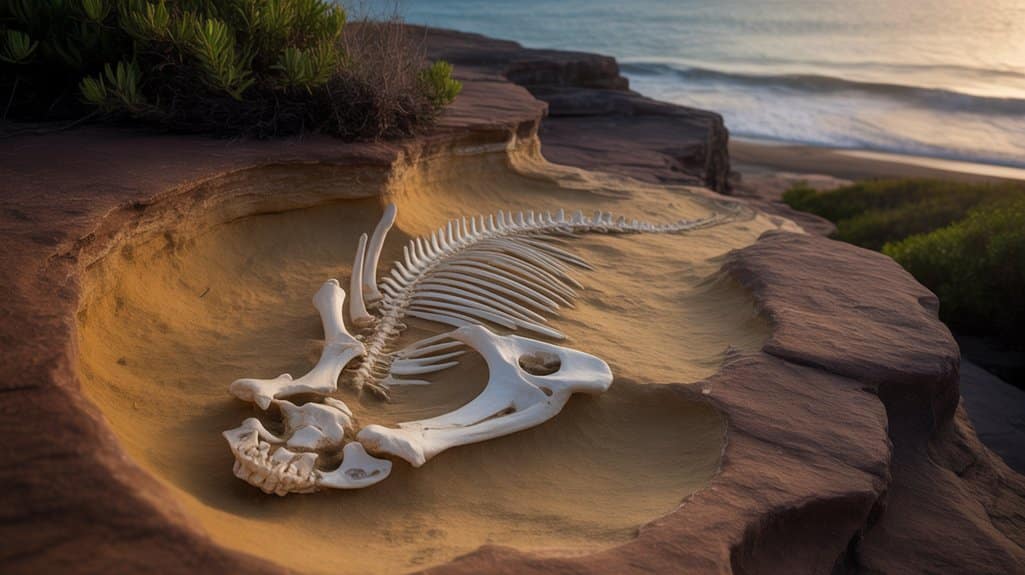
As Uruguay looks to protect its ancient treasures, two special places are getting closer to official recognition. Arazatí and Kiyú are being proposed as Historic Monuments. These areas hold fossils that are millions of years old.
Scientists from universities and museums have joined together to support this idea. They sent their request to the National Cultural Heritage Commission in December 2024. The new government has received the proposal and is reviewing it.
The commission is still choosing its members. Officials hope to add a paleontologist to help make smart decisions about these important fossil sites.
Scientific Significance of 10-Million-Year-Old Fossil Records
When scientists look at the fossils buried in Arazatí and Kiyú, they see a story that goes back 10 million years. These ancient remains tell us about animals and plants that lived long before humans walked the earth. The fossils span from the late Miocene to late Pleistocene periods, showing how life changed over millions of years.
Recent discoveries include saber-toothed tigers and massive herbivores that once roamed this terrain. Some species found here exist nowhere else on earth, making these sites precious to researchers worldwide. These fossils help scientists understand how Uruguay’s environments and climate evolved over time.
Unique Species Discoveries Impacting Global Research
What makes these fossil sites truly special is that scientists have found animals here that lived nowhere else on Earth. These one-of-a-kind creatures help researchers around the world learn new things about ancient life.
Recent finds include saber-toothed tigers and massive plant-eating animals that roamed Uruguay millions of years ago. When scientists study these bones, they write papers that get shared with experts everywhere. This helps piece together the puzzle of how life changed over time.
These discoveries don’t just sit in museums gathering dust. They become part of important research that changes what we know about our planet’s past.
Dual Protection Framework and Heritage Recognition
Scientists know these amazing fossil sites need strong protection, so they’re asking for help in two different ways. They want Arazatí and Kiyú declared as Historic Monuments first. This gives the strongest legal shield for these special places. But they’re also seeking geological heritage recognition as a backup plan.
| Protection Level | Benefits | Timeline | Community Role |
|---|---|---|---|
| Historic Monument | Strongest legal protection | Pending review | Local advocacy support |
| Geological Heritage | Scientific recognition | Alternative option | Educational partnerships |
| UNESCO Geopark | Global status | Long-term goal | Tourism development |
| Combined Approach | Maximum coverage | Flexible strategy | Ongoing engagement |
This smart dual approach gives these precious fossil beds the best chance for survival.
The Path to UNESCO Geopark Status
Beyond basic protection, these remarkable fossil sites have their sights set on something much bigger. The team dreams of UNESCO geopark status for Arazatí and Kiyú. This special label would celebrate their amazing rocks and fossils on a world stage.
Getting UNESCO recognition takes years of hard work. The process has many steps and tough requirements. But the reward is worth it. A geopark brings global attention and respect.
Local residents play a huge role in making this dream real. Their support and involvement help show UNESCO that the community truly cares about protecting these ancient treasures for everyone.
Community Involvement and Local Partnership Building
How do local communities become part of protecting these amazing fossil sites? The answer lies in building strong partnerships that benefit everyone involved.
Local groups work closely with scientists to support the protection efforts. These partnerships create real value for communities through education programs and awareness initiatives. Individuals learn about the incredible fossils in their own backyard.
Community feedback shapes the planning process. When residents feel heard and included, they become powerful advocates for preservation. This collaboration can also boost local tourism, bringing economic benefits while protecting these precious scientific treasures for future generations.
Overcoming Bureaucratic and Financial Challenges
While community support provides a strong foundation, protecting Uruguay’s fossil sites faces significant hurdles that extend far beyond local enthusiasm. The path forward requires navigating intricate government processes and securing adequate funding.
| Challenge Type | Specific Issue | Potential Solution |
|---|---|---|
| Bureaucratic | Long UNESCO process | Clear timeline planning |
| Financial | Limited application funds | Grant partnerships |
| Administrative | Commission member selection | Technical expert inclusion |
| Procedural | Multiple assessment stages | Streamlined documentation |
| Organizational | Ongoing maintenance costs | Sustainable funding models |
These obstacles demand creative approaches and persistent advocacy to ensure Uruguay’s paleontological treasures receive proper protection.
Paleontological Heritage Protection Questions
These locations contain fossils dating back 10 million years, spanning from the late Miocene to late Pleistocene periods. The sites are essential for understanding Uruguay’s ancient biodiversity, environments, and scenery. Recent discoveries include saber-toothed tigers and ancient herbivores. Unique species found only in this region have significantly impacted global science, with fossils from these areas contributing to numerous academic studies and international publications.
What is the Historic Monument designation process for these paleontological sites?
The application for Historic Monument status was submitted to the National Cultural Heritage Commission in December 2024 by paleontologists and researchers from the Faculty of Sciences and National Museum of Natural History. The request emphasizes the paleontological, geological, and archaeological significance of the areas. The new administration has recognized the application, though it’s pending review as the commission selects its members.
What levels of protection are being proposed for these fossil sites?
Two protection levels are proposed: formal declaration as a Historic Monument, which is the primary goal, and geological heritage acknowledgment. The protection is rationalized based on the heritage value of fossils and unique geological materials found in the Kiyú and Arazatí ravines. These sites are highlighted due to ongoing paleontological work and their scientific importance to global research.
How does the UNESCO Geopark designation process work?
The UNESCO geopark declaration process is lengthy, involving multiple stages and assessments with various criteria that must be met. This designation recognizes significant geological and paleontological value, encompassing both scenery and cultural significance. The process requires collaboration with local authorities, community involvement, and demonstrates potential for sustainable development in local tourism while maintaining scientific integrity.
What role do local communities play in protecting these paleontological sites?
Local communities are vital to the geopark initiative’s success. Education and consciousness campaigns are implemented, with community feedback central to planning processes. Partnerships with local organizations and stakeholders can lead to economic benefits from active community participation. Community support helps garner advocacy for area protection and ensures long-term sustainable management of these valuable paleontological resources.
What challenges face the protection of Uruguay’s paleontological heritage?
Key challenges include the lengthy duration of UNESCO declaration processes, bureaucratic hurdles, and limited financial resources for supporting applications. Balancing conservation needs with local development pressures presents ongoing difficulties. Additionally, there’s a requirement for continuous maintenance and management after designation, which demands sustained commitment from both governmental and community stakeholders to ensure effective long-term protection.
Why is having a paleontologist on the Cultural Heritage Commission important?
Director General Marcel Suárez has confirmed aspirations to include a paleontologist on the National Cultural Heritage Commission for technical expertise. This specialized knowledge is integral for properly evaluating the scientific significance of fossil sites and making informed decisions about protection measures. A paleontologist’s input ensures that the unique scientific value of these 10-million-year-old fossil deposits receives appropriate consideration during the review process.
What scientific discoveries have been made at these paleontological sites?
The sites have yielded fossils spanning from the late Miocene to late Pleistocene periods, including recent discoveries of saber-toothed tigers and ancient herbivores. These locations contain unique species found nowhere else, significantly impacting global paleontological science. The fossils have contributed to numerous academic studies and publications, helping scientists understand ancient biodiversity patterns and environmental changes in South America.
How would geopark status benefit local tourism and development?
Geopark designation facilitates sustainable development in local tourism while preserving scientific heritage. This status attracts educational tourism, bringing economic benefits to local communities through increased visitor numbers. The designation creates opportunities for guided tours, educational programs, and research tourism, generating income while maintaining conservation goals. Local businesses can benefit from increased tourism infrastructure and services needed to support scientific and educational visitors.
What is the timeline for the Historic Monument designation decision?
The application submitted in December 2024 is currently under consideration by the National Cultural Heritage Commission. The timeline depends on the commission completing its member selection process and conducting thorough reviews of the paleontological, geological, and archaeological evidence presented. While the new administration has acknowledged the request, no specific timeline has been announced for the final decision on Historic Monument status.
Global Scientific Impact Considerations
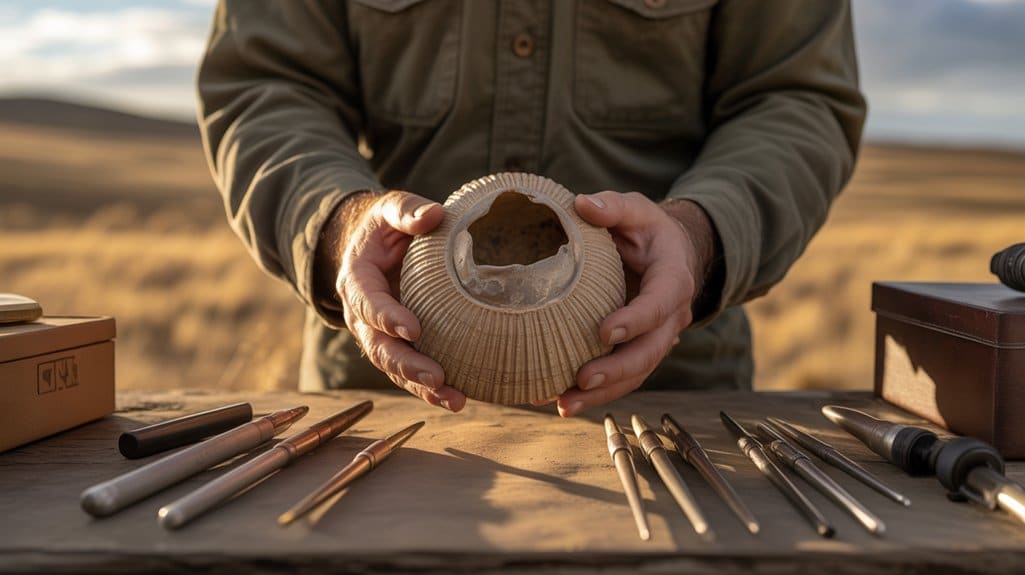
When scientists discover fossils in Uruguay’s coastal ravines, their findings reach far beyond the country’s borders. These ancient treasures tell stories that reshape how we understand life on Earth millions of years ago.
Unique species found only in Arazatí and Kiyú appear in research papers worldwide. Scientists from different countries study these fossils to learn about ancient climates and how animals evolved. The saber-toothed tigers and giant herbivores discovered here help fill gaps in our knowledge of prehistoric life.
Every fossil becomes part of a global puzzle. When Uruguay protects these sites, it preserves scientific knowledge for researchers everywhere.