
Most homeowners in Uruguay never think about their chimney flue once winter ends, which is precisely the problem. The open damper sits there like a forgotten window, letting conditioned air escape while hot, humid summer air flows right in, and the air conditioning unit works overtime to compensate. It’s a small oversight with surprisingly large consequences, from energy bills to unwanted visitors making nests in the chimney shaft, and understanding why that flue needs closing might save considerable trouble down the line.
Key Takeaways
- Closing the flue reduces cooling costs by up to 30% by preventing hot outdoor air from entering your home.
- A sealed flue blocks humid air infiltration during Uruguay’s 71-82% summer humidity levels, preventing mold growth and structural damage.
- Closed flues prevent birds and bats from nesting inside chimneys, avoiding health risks from droppings and parasites.
- Sealing the chimney blocks debris accumulation from summer storms, preventing ventilation blockages and fire hazards.
- Flue closure stops rainwater entry that causes masonry deterioration, mortar degradation, and metal component corrosion.
Energy Efficiency and Lower Air Conditioning Costs
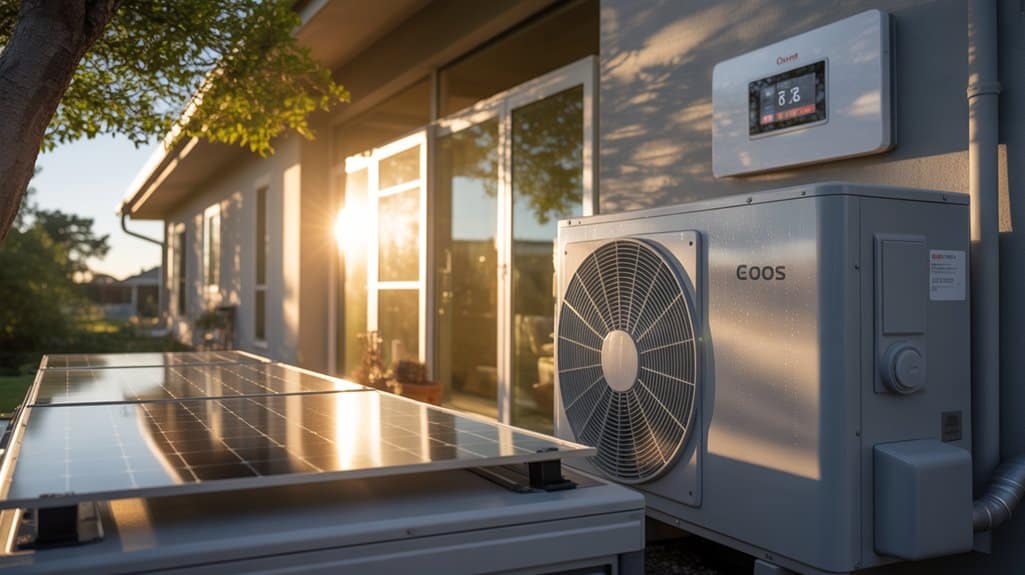
Uruguay’s push toward energy efficiency in buildings has become something of a national priority, driven largely by the fact that the country has to import most of its fossil fuels, which means electricity costs tend to run higher than anyone would prefer. Closing your chimney flue during summer is one of those simple moves that actually makes a difference, since an open flue essentially invites warm outdoor air inside, forcing your air conditioning to work harder than necessary. This matters because cooling strategies that don’t require extra electricity are worth considering when your power bill starts climbing. Buildings with sealed flues can cut cooling energy consumption by up to 30%, which is not insignificant when you’re trying to maintain both comfort and financial sanity during the warmer months. Interestingly, the same chimney structure can be adapted seasonally: allowing hot air recirculation in winter for heating while maintaining natural ventilation during summer when the flue is properly managed.
Protection Against Humid Summer Air Intrusion
Homeowners frequently underestimate how much moisture can actually sneak into a house through an open chimney flue, which is unfortunate because the problem becomes painfully obvious once the summer humidity settles in and everything starts feeling clammy. Uruguay’s December-through-March humidity levels hover between 71-76%, with Montevideo sometimes hitting 82%, and that muggy outdoor air actively seeks interior spaces through any available opening, including chimneys that haven’t been sealed after the last chimney cleaning or flue inspection. The open passage creates a direct moisture highway into living areas, increasing indoor dew points and making spaces feel uncomfortably sticky despite running air conditioning at full blast. December represents the least humid month at 67%, yet even this relatively lower moisture level can infiltrate through unsealed chimneys and affect indoor comfort.
| Condition | Impact on Indoor Environment |
|---|---|
| Open flue during 76% humidity | Continuous moisture infiltration pathway |
| Montevideo peak 82% humidity | Substantially heightened indoor dampness levels |
| Closed flue barrier | Prevents humid air exchange completely |
| Indoor dew point increase | Muggy feeling despite temperature control |
| Sealed chimney advantage | Maintains interior moisture independence |
Prevention of Mold and Mildew Growth
When Uruguay’s humid summer air sneaks through an open chimney flue, it brings along enough moisture to turn the dark, cool interior into something like a mold incubator, which is exactly what nobody wants happening inside their walls. The dampness settles on the brick and masonry surfaces, creating perfect conditions for mold and mildew to spread throughout the flue system, and once that growth starts, it becomes surprisingly difficult to stop without professional intervention. Beyond the obvious problem of damaging the chimney structure itself, mold spores circulating through the house pose real health risks, especially for anyone with allergies or respiratory issues, making flue closure during the off-season less of a suggestion and more of a practical necessity. Mold can deteriorate masonry and mortar, leading to cracks and potentially serious structural damage that may require costly repairs.
Humidity Enters Through Flue
During Uruguay’s summer months, the open chimney flue becomes an unexpected highway for humid air to infiltrate the home, and while most individuals worry about rain getting in, the real troublemaker is often the moisture-laden air that wanders through at its leisure. This flue humidity creates condensation risks that accelerate structural deterioration in ways most homeowners never consider until the damage shows up.
The mechanism works through three main pathways:
- Humid outdoor air, frequently exceeding 60% relative humidity during Uruguay summers, flows directly through the open flue into living spaces
- Temperature differences between warm exterior air and cooler chimney surfaces trigger condensation inside the flue cavity
- Negative pressure during atmospheric changes pulls moisture-laden air downward, saturating bricks and mortar
Understanding these routes helps explain why closure matters beyond simple rain protection. This elevated humidity activates dormant mold spores within the chimney structure and adjacent walls, creating conditions that promote rapid microbial growth in areas that are difficult to inspect and clean.
Moisture Promotes Mold Growth
Once humidity establishes itself inside an open chimney flue, the structure essentially becomes a vertical mold incubator, complete with darkness, moisture, and the kind of stagnant air that mold spores find irresistible for colonization. The problem intensifies during Uruguay’s humid summer months when air conditioning creates additional condensation, essentially giving mold an engraved invitation to multiply throughout the chimney system. Moisture sources include everything from rain entering through damaged caps to condensation forming when warm air meets cool masonry surfaces, and without proper ventilation or a closed flue, these moisture sources convert chimneys into biological hazards. Beyond the immediate health concerns, prolonged moisture exposure can weaken bricks and mortar, compromising the structural integrity of the entire chimney system and leading to costly repairs that far exceed simple preventative measures. Mold prevention becomes significantly easier when homeowners simply close the flue during summer, cutting off the humidity supply and denying mold the damp environment it requires to establish itself.
Health Risks From Mildew
The consequences of allowing mold to flourish inside a chimney extend far beyond the unsightly appearance or musty odor that homeowners might notice, because exposure to these fungal colonies triggers a cascade of health problems that range from merely irritating to genuinely dangerous depending on individual vulnerabilities. Mold exposure causes respiratory complications that particularly affect at-risk groups, and the research documenting these effects is extensive:
- Mildew allergies manifest through eye, nose, and throat irritation, with systematic reviews confirming these reactions occur reliably in sensitive individuals
- Asthma attacks become more frequent when spores circulate through living spaces, which explains why children in mold-contaminated homes experience heightened wheeze rates
- Immunocompromised individuals face serious fungal infections, with invasive aspergillosis affecting 22.4 per 100,000 individuals annually
The connection between environmental mold and systemic health extends to vulnerable populations including COPD patients, who represent 272,006 cases in Uruguay and bear the largest burden of aspergillosis-related complications from prolonged spore exposure.
Blocking Debris From Entering Your Home
Several types of debris pose a persistent threat to chimneys during Uruguay’s summer months, when strong winds and occasional storms can send leaves, twigs, pine needles, and even small branches tumbling down into open flues with surprising regularity. These debris hazards create blockages that trap moisture, encourage mold growth, and prevent proper ventilation when you actually want to use the fireplace again. Chimney protection starts with understanding what can go wrong and taking straightforward preventive action.
| Protection Method | Effectiveness |
|---|---|
| Closing the flue | Blocks most debris entry |
| Installing chimney cap | Prevents 95% of intrusion |
| Regular inspection | Identifies problems early |
The solution involves either closing your flue during summer or installing a quality cap with mesh screening, both of which spare you from dealing with accumulated organic matter later. Summer provides an ideal time for thorough chimney cleaning to remove any debris that has already accumulated and ensure your chimney is ready for the upcoming winter season.
Keeping Birds and Bats Out of Your Chimney
Chimneys naturally attract birds looking for protected nesting spaces and bats seeking dark, sheltered areas to roost during daylight hours, which means that an open flue during Uruguay’s summer months becomes an invitation for wildlife to take up residence. These animals typically enter through surprisingly small openings at the top of the chimney stack, and once inside, they can cause noise disturbances, create unpleasant odors from droppings, and potentially block proper ventilation. Bats may specifically choose chimneys as breeding locations where females establish maternity colonies to give birth, leading to persistent occupation that can last for multiple seasons. Keeping the flue damper closed when the fireplace is not in use provides a simple barrier that blocks entry from below, though it does nothing to prevent animals from settling in the flue itself if they have already entered from above.
Birds Seek Nesting Spaces
Why would birds choose to nest inside a dark, sooty chimney when trees and natural sites seem far more appealing? Chimneys actually mimic the natural cliff habitats that species like chimney swifts have used for centuries, and these vertical structures offer warmth, predator protection, and secure surfaces for clinging, which matters since swifts cannot perch on horizontal branches like conventional birds.
Bird nesting activity increases dramatically during spring and summer when breeding pairs return to establish territories. Homeowners should recognize these warning signs:
- Chittering and begging calls from nestlings during daylight hours
- Wing flapping sounds and scratching noises from inside the flue
- Visible droppings accumulating along chimney walls
Federal laws prohibit removing active nests, so prevention through proper flue closure remains the only legal protection against unwanted tenants. During the off-season, homeowners may discover feathers, eggshell fragments, and small debris in chimney cleanouts as evidence of previous swift occupation.
Bats Enter Through Openings
Unlike birds that announce their presence with constant chirping and flapping, bats slip into chimneys through openings as small as half an inch, exploiting gaps in the flue, cracks in the chimney crown, or spaces around flashing with the kind of precision that suggests they have been doing this long before humans started building vertical brick structures. They do not chew or enlarge these entry points, which makes bat entry prevention particularly straightforward if homeowners seal existing gaps and install proper chimney caps. The rough interior surfaces mimic caves and hollow trees, turning unused chimneys into ready-made roosts. Guano hazards accumulate quickly once colonies establish themselves, creating musty odors and harboring airborne spores that can transmit histoplasmosis, a respiratory disease nobody wants during summer when windows stay open and air circulates freely throughout the house. Chimneys must be screened or capped using materials with small mesh sizes that prevent bat access while still allowing proper ventilation and smoke escape.
Closed Flue Blocks Entry
When homeowners finally get around to addressing the problem of wildlife invasion, usually after hearing scratching sounds at three in the morning or noticing a peculiar odor wafting down from above, they discover that the solution has been sitting right there in the fireplace the entire time. The flue damper, which most individuals forget exists until they need to build a fire, creates a physical barrier that wildlife cannot bypass. This approach offers several advantages:
- Immediate protection without waiting for professional installation of caps or screens
- Compliance with wildlife protection laws by preventing entry rather than removing protected species
- Cost-effective response to seasonal changes in bat and bird activity
The metal damper, when properly closed, forms a seal that eliminates the chimney as a potential roosting site during Uruguay’s active summer months. Keeping the damper shut also prevents the dangerous temptation to start a fire while bats or birds remain inside, which could harm the animals and create additional safety hazards.
Avoiding Musty Odors From Damp Creosote and Soot
As Uruguay’s summer humidity settles across the region, homeowners who leave their chimney flues open during the off-season often discover an unpleasant reality: the creosote and soot that accumulated during months of cozy winter fires don’t simply sit dormant in the chimney waiting patiently for next year’s burning season. Instead, these deposits absorb moisture from humid air like a sponge, altering into sticky, odorous compounds that release musty odors throughout the house. The damp creosote becomes especially pungent when combined with heat, creating smells that migrate downward through the open flue and infiltrate living spaces. Certified chimney sweeps possess the specialized skills and tools necessary for safe creosote removal, which not only eliminates these offensive odors but also reduces the risk of chimney fires that can damage the entire system. Closing the damper creates a barrier that prevents these unpleasant scents from drifting into rooms where families actually want to spend time, which seems like a remarkably simple solution to an otherwise persistent summer problem.
Preventing Rainwater and Moisture Damage
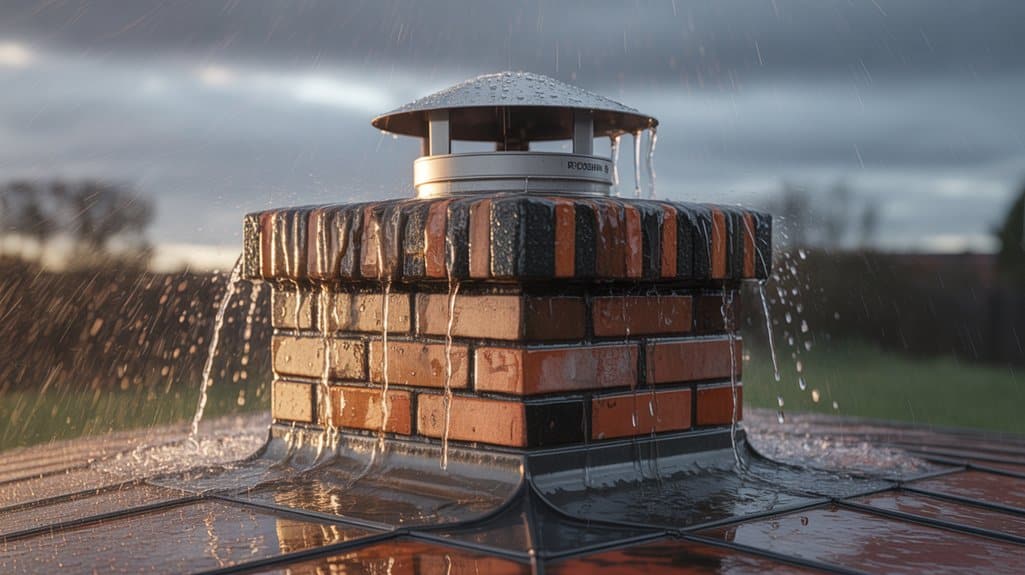
Beyond the unpleasant smell problem, an open chimney flue during Uruguay’s summer months creates an invitation for rainwater to enter the chimney system, which homeowners often don’t consider until they’re looking at water stains on their ceiling or dealing with a firebox full of standing water after a heavy rainstorm. Moisture ingress causes surprisingly expensive problems that closing the flue prevents entirely:
- Masonry deterioration – Water damage accelerates the breakdown of bricks and mortar joints, requiring costly tuckpointing and flashing replacement down the road.
- Metal corrosion – Damper assemblies and fireplace components rust out faster when exposed to rain and humidity infiltration.
- Mold growth – Damp conditions inside the chimney encourage mildew that spreads to adjacent walls, compromising indoor air quality. Warm, moist air entering through an open flue creates ideal conditions for mold spores to thrive throughout the chimney structure.
Simply keeping your flue closed blocks this moisture ingress and saves you from repair bills.
Understanding Your Chimney Damper’s Function
While most Uruguayan homeowners understand in a general sense that the chimney damper exists somewhere up there in the darkness above their firebox, the specific mechanics of how this metal flap actually works—and why it matters so much during summer—often remain frustratingly vague until something goes wrong. The damper types you’ll encounter are typically iron or steel plates positioned in the chimney throat, operated through a simple lever, knob, or cable mechanism that opens or closes the passage. When properly functioning, this metal barrier creates an airtight seal that prevents your expensive air conditioning from escaping straight up through the chimney like money through a hole in your pocket. Professional damper installation ensures that seal actually works, which unfortunately becomes apparent only after you’ve spent a summer cooling the neighborhood sky. Without a properly sealed damper, cold outside air can infiltrate your home during winter months, creating uncomfortable drafts that work against your heating system.
Stopping Unwanted Outdoor Air and Backdrafts
During Uruguay’s summer months, an open chimney flue becomes an unintended gateway for hot, humid outdoor air to infiltrate the home, which forces air conditioning systems to work harder than necessary while simultaneously allowing expensive cooled air to escape upward through the chimney. This unwanted air exchange also creates conditions for backdrafts that push unpleasant odors from creosote, soot, and moisture-laden residues down into living spaces, where the musty smell of mold and mildew growth becomes, unfortunately, a familiar companion to anyone who has forgotten to close their damper. Closing the flue serves as a simple barrier that blocks both the intrusion of exterior heat and humidity and the return of chimney odors, maintaining indoor comfort and air quality without requiring any special expertise or equipment. Additionally, keeping the chimney flue closed prevents debris and animals from entering the home through the unprotected passageway, which could otherwise introduce additional contaminants and create unexpected maintenance issues.
Sealing Against Humid Air
Closing the damper addresses three specific moisture-related concerns:
- Condensation formation when warm exterior air contacts cooler interior chimney surfaces, which leads to structural deterioration over time
- Mold and mildew growth in temperatures between 60-80°F, creating musty odors and potential respiratory issues for household members
- Water intrusion from summer precipitation that accelerates mortar degradation and causes efflorescence on exterior masonry
The closed flue maintains drier conditions inside the chimney cavity. Additionally, a closed damper prevents debris and wildlife from entering the chimney system during the warmer months when the fireplace is not in use.
Preventing Odor Backdrafts
Several mechanisms contribute to chimney backdrafts during Uruguay’s summer months, and understanding these pathways helps homeowners address the musty, smoky odors that inexplicably infiltrate living spaces when the fireplace sits unused. Wind patterns interfering with normal draft, cold air trapped in the flue creating reversal conditions, and negative indoor pressure from ventilation systems all conspire to push unwanted outdoor air downward through chimney openings. Regular flue inspections identify structural compromises like cracks or deteriorating components that exacerbate these issues, while installing properly fitted dampers provides immediate odor prevention by physically blocking the pathway. Proper damper function serves as a key preventive measure against these seasonal backdraft occurrences. Opening a nearby window during particularly breezy days balances pressure differentials, though most homeowners find simply keeping the damper closed eliminates the problem entirely without requiring constant adjustments or elaborate interventions.
Uruguay’s Summer Climate and Your Chimney
Uruguay’s humid subtropical climate brings hot, sunny summers from December through February, a time when most homeowners naturally assume their chimneys can simply be ignored until the cold weather returns. This assumption, while understandable, overlooks how summer weather actively works against unprotected chimney systems through a combination of heat, moisture, and debris that accumulates when no one’s paying attention.
The coastal-interior divide matters here because chimney inspections reveal different problems depending on location:
- Coastal areas like Montevideo face moderate temperatures around 28°C but constant Atlantic moisture that penetrates open flues
- Interior regions endure scorching heat waves exceeding 40°C that expand and contract masonry materials
- Northern zones experience intense summer storms dropping heavy rainfall directly into uncovered chimneys, creating water damage that freedom-loving homeowners would rather avoid paying to fix later
Summer afternoons frequently bring thunderstorms that deliver sudden deluges into exposed chimney openings, accelerating deterioration of internal components. During spring and autumn, weather patterns are often unstable but generally mild, creating transitional periods when chimney protection becomes equally important as these shoulder seasons also introduce moisture and temperature fluctuations that can compromise flue integrity.
The Impact of Seasonal Humidity Levels
When summer humidity levels hover between 71-77% for months on end, the moisture doesn’t just hang in the air making everyone uncomfortable, it actively seeks out every opening in a house including that chimney flue that homeowners assume is harmless when left open during the off-season. That open flue becomes a direct highway for humid air to infiltrate living spaces, undermining whatever moisture control strategies are in place and turning the supposed sanctuary of home into a muggy, uncomfortable environment. The irony is that individuals invest in dehumidifiers and air conditioning while simultaneously leaving a gaping hole in their chimney insulation strategy, which is essentially like trying to bail water from a boat that still has a hole in it. In August alone, humidity levels consistently range from 78% to 86%, demonstrating how persistent moisture intrusion through an open flue can compound existing indoor climate challenges.
Wind-Driven Rain and Debris Risks
Uruguay’s coastal winds during summer have a peculiar tendency to treat open chimney flues like funnels for whatever happens to be blowing past, which means rain, leaves, dust, and the occasional bewildered insect all end up taking an unscheduled tour of the interior masonry. The country’s flat terrain offers no natural windbreaks to soften these gusts, so when a summer thunderstorm rolls through from the south or southeast, the combination of persistent winds and heavy rainfall can deposit surprising amounts of water directly into an unprotected flue, along with whatever debris got swept up in the process. This accumulation doesn’t just sit there politely drying out either, since the moisture encourages everything from rust on metal components to mold growth in the flue liner, creating a maintenance problem that compounds with each subsequent rainstorm. While the ocean winds moderate daytime temperatures and keep summer heat manageable, they maintain enough consistency throughout the season to repeatedly funnel moisture and debris down exposed chimneys.
Rain Penetration Through Flue
The country’s coastal location and temperate climate bring with them a particular vulnerability to wind-driven rain, which does not fall politely straight down but instead travels at angles that can send water directly into exposed chimney flues. This rain penetration creates a cascade of problems that homeowners would rather avoid, though many discover them only after the damage has started:
- Water soaks into mortar joints and brickwork, accelerating deterioration from the inside out where you cannot see it happening
- Moisture washes chimney soot into surrounding masonry, causing chemical damage that compounds the physical wear
- Wet conditions enable freeze-thaw cycles that expand cracks and cause spalling
Proper flue maintenance means acknowledging that an open chimney during Uruguay’s summer storms is an invitation for trouble. Once water infiltrates through the flue, it can enable mold growth within the chimney structure and adjacent walls, creating health hazards that extend beyond mere structural concerns.
Debris Accumulation Inside Chimney
Beyond the direct assault of rain entering through the flue opening, an open chimney during Uruguay’s summer months becomes something of a collection point for everything the wind decides to carry, and most of it homeowners would prefer stayed outside where it belongs. Leaves, twigs, dust, and the occasional unfortunate bird nest all find their way down into the flue, creating blockages that compromise ventilation and increase fire risk when winter arrives. These accumulations also attract moisture, which accelerates deterioration of mortar and liner materials, turning minor maintenance issues into expensive repairs. Open dampers invite animals seeking shelter, with squirrels and birds particularly fond of establishing residence in unused chimneys where poor airflow signals an obstruction requiring professional attention. Regular chimney inspections catch these problems early, though preventing debris entry altogether through proper flue maintenance and closure makes considerably more sense than cleaning out months of accumulated nonsense later.
Wind-Driven Moisture Damage
When powerful winds combine with driving rain during Uruguay’s summer storm season, water doesn’t simply fall onto chimney surfaces and politely run off the way homeowners might hope—instead it gets forced horizontally into every vulnerable crack, gap, and deteriorated mortar joint the masonry has to offer, which creates moisture problems that go far beyond what ordinary rainfall could manage.
This moisture intrusion triggers cascading damage:
- Flashing deteriorates first, tearing away from the roof-chimney junction and creating direct pathways for water to penetrate interior structures
- Protective sealants erode, exposing brickwork to freeze-thaw cycles that accelerate spalling and cracking
- Mold establishes colonies inside damp chimneys, degrading indoor air quality throughout the home
Wind pressure also forces debris and animal nests deeper into the chimney flue, creating blockages that trap moisture and prevent proper ventilation.
Waiting for obvious chimney repair needs means accepting preventable structural damage, which seems unnecessarily expensive when simply closing the flue blocks wind-driven moisture entirely.
Essential Summer Chimney Maintenance Tasks
Summer chimney maintenance might seem counterintuitive to homeowners who associate chimneys exclusively with winter fires, but the warmer months actually present the most practical opportunities for addressing essential upkeep tasks that prevent expensive emergencies later. A professional chimney inspection during summer avoids the autumn rush when everyone suddenly remembers their fireplace exists, which means better appointment availability and, frankly, less desperation in the technician’s pricing. Summer cleaning removes creosote buildup and accumulated debris like bird nests and leaves before they become serious fire hazards, while warm weather allows masonry repairs to cure properly without moisture interference. Waterproofing applied now prevents winter’s freeze-thaw cycles from destroying brickwork, and checking chimney caps ensures animals won’t claim the flue as luxury real estate during heating season. Time-intensive projects like chimney relining and rebuilding can proceed unimpeded during summer months when using the fireplace is not an issue, avoiding the discomfort of being without heating when you actually need it.
Ensuring Proper Damper Closure and Seal
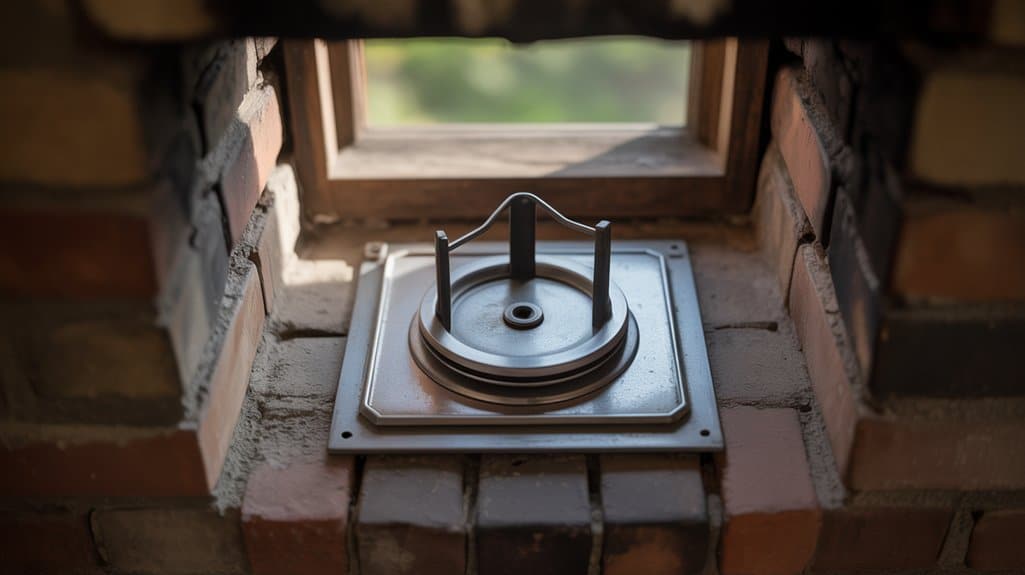
The effectiveness of a chimney damper depends entirely on whether the thing actually closes completely and forms a tight seal, which sounds obvious until homeowners discover their damper has been stuck three-quarters open for the past decade. Summer provides the ideal window for damper inspections, when professionals can identify rust, warping, or gaps that compromise closure without interrupting heating season operations. Addressing these issues involves straightforward sealing techniques:
- Installing specialized gaskets around worn damper frames to restore airtight performance
- Replacing bent or corroded damper components that prevent complete closure
- Sealing masonry gaps near the damper assembly to block moisture and pest entry
Regular maintenance prevents the unfortunate scenario where cooled air escapes upward all summer while humid air, insects, and unpleasant odors drift down into living spaces. Warped or damaged flashing allows water intrusion, which can destroy home building materials and chimney parts if left unaddressed during the off-season.
Additional Protection With Chimney Caps
Beyond simply ensuring the damper closes properly, homeowners should consider what happens above the damper assembly at the chimney’s opening, where an uncapped flue essentially functions as a direct pipeline between the outside world and the interior of the house. Installing a chimney cap provides summer flue protection by blocking rain from deteriorating masonry, preventing birds and other wildlife from building nests that obstruct airflow, and keeping out leaves and debris that accumulate surprisingly fast. The chimney cap benefits extend beyond the summer months, naturally, but during Uruguay’s warmer season when fireplaces sit unused, caps prevent moisture damage, wildlife intrusions, and downdrafts that allow humid air to seep into living spaces, all while maintaining the homeowner’s control over their property without requiring constant vigilance or intervention. These protective coverings typically feature stainless steel or copper construction, ensuring durability against Uruguay’s coastal climate and varying weather conditions.
References
- https://bestchimney.com/should-i-close-my-chimney-flue-in-the-summer/
- https://www.chimneysolutions.com/blog/closing-my-fireplace-during-the-summer/
- https://www.flue-pipes.com/chimney-height-regulations.html
- https://www.rika.eu/faqs
- https://anevaystoves.com/blogs/news/why-use-insulated-flue
- https://www.pacificenergy.net/faqs/
- https://www.stovax.com/your-most-popular-questions-about-log-burners-answered/
- https://boutiquecamping.com/en-us/blogs/news/indoors-or-in-tent-your-guide-to-igniting-your-stoves-flame-🔥
- https://salamanderstoves.com/product-category/flue-kits/small-stove-installation-kits/summer-house/
- https://unicamp.br/en/unicamp/ju/537/chamine-solare-alternativa-naturalpara-conforto-termico