Uruguay has carved out something special in how it honors family and tradition. The country blends old customs with a fresh, welcoming approach that speaks to everyone. Religious ties take a backseat while togetherness moves to center stage. Picture warm December evenings filled with laughter, grilled meat sizzling on the parrilla, and glasses of fruity clericó passed around. These celebrations reveal how one nation keeps its heritage alive while staying true to its values—and there’s much more beneath the surface.
Christmas as “Día De La Familia”: a Secular Celebration

In Uruguay, Christmas goes by a different name that tells its own story. Officially known as “Día de la Familia,” or Day of the Family, this December 25th celebration reflects the nation’s secular values while honoring what matters most: togetherness. The renaming isn’t about removing tradition—it’s about welcoming everyone to the table, regardless of belief.
Family traditions thrive under warm summer skies, where outdoor gatherings replace fireplaces. December 24th and 25th bring relatives together for festive meals, often enjoyed beneath the stars. The focus remains simple: sharing food, laughter, and time with loved ones during Uruguay’s beautiful season.
Summer Weather Shapes Holiday Festivities
Unlike most Christmas celebrations around the world, Uruguay’s December festivities unfold under bright sunshine and rising temperatures. Families gather outdoors as thermometers climb between 16°C and 30°C, altering traditional winter holidays into vibrant summer activities. Beach destinations like Punta del Este welcome massive crowds, swelling from 30,000 residents to over 200,000 visitors.
The warm weather reshapes how individuals celebrate together. Outdoor barbecues replace indoor dinners, while festive cuisine features grilled meats and refreshing clericó drinks. Families share meals on patios and beaches, creating memories under starlit skies. This seasonal shift turns Uruguay’s holidays into uniquely joyful experiences centered around sunshine and togetherness.
Clericó and Culinary Customs of the Season
Every December, Uruguayan tables showcase a beloved seasonal drink that captures the spirit of summer celebration. Clericó varieties blend sparkling wine, white wine, fruit juice, and fresh fruits into a refreshing beverage perfect for warm evenings. Families gather outdoors to share festive recipes featuring grilled meats and barbecued dishes, making the most of temperatures that soar between 16 and 30 degrees Celsius. The December payment of the second half of the 13th salary fuels this culinary abundance. These outdoor feasts bring loved ones together, creating memories around shared meals that honor both tradition and Uruguay’s unique summer holiday season.
Coastal Tourism and Beach Celebrations
As summer sunshine blankets Uruguay’s shores, the nation’s coastal regions evolve into vibrant hubs of activity and celebration. Punta del Este welcomes over 200,000 visitors, converting from a quiet town into a bustling paradise. Families gather for beach activities like volleyball, swimming, and sunset strolls along warm sand. The festive atmosphere peaks during New Year’s Eve, when fireworks brighten the coastline and sailing regattas fill the horizon. Coastal cuisine takes center stage, with beachside barbecues offering grilled favorites and fresh seafood. These celebrations blend relaxation with tradition, creating cherished memories where ocean breezes meet joyful laughter and shared moments.
New Year’s Eve and Peak Summer Activities

December 31st marks one of Uruguay’s most anticipated celebrations, when the entire nation comes alive with energy and excitement. New Year’s traditions blend seamlessly with summer activities, creating unforgettable moments for families and visitors alike. The coastline shifts into a vibrant playground where individuals gather to welcome fresh beginnings under warm skies.
Popular New Year’s Eve Activities:
- Spectacular fireworks displays brighten beaches at midnight
- International sailing regattas attract competitors from around the world
- Fashion shows showcase seasonal collections in coastal venues
- Marathon races bring together fitness enthusiasts
- Beach parties continue until sunrise
These cherished traditions strengthen community bonds while celebrating Uruguay’s unique summer identity.
Three Kings Day: Honoring Children and Heritage
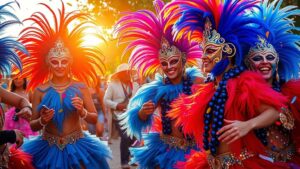
Following the excitement of New Year’s festivities, Uruguay’s holiday season reaches its heartwarming conclusion on January 6th with Three Kings Day. Officially known as “Día de los Niños,” this celebration places children at its center. Families gather for children’s parades featuring colorful floats and costumed performers. Gift traditions continue from Christmas, with youngsters receiving presents that honor both cultural heritage and modern customs. Communities organize special events where kids enjoy treats and entertainment. While Uruguay accepts secularism in holiday naming, families still call this day “Reyes,” preserving beloved traditions. This festive occasion strengthens family bonds while celebrating childhood joy.
The Role of Secularism in Modern Uruguayan Holidays
Uruguay’s government has woven secularism into the fabric of its national celebrations, altering religious holidays into inclusive events for all citizens. These cultural shifts reflect the nation’s commitment to unity beyond religious boundaries.
Key aspects of Uruguay’s secular celebrations include:
- Christmas renamed “Día de la Familia” (Day of the Family)
- Three Kings Day called “Día de los Niños” (Day of the Children)
- Focus on shared values rather than religious meanings
- Emphasis on community gatherings and family bonds
- Public holidays maintain cultural importance without spiritual requirements
This approach welcomes everyone to participate freely, creating warm traditions that unite rather than divide.
Community Gatherings and Cultural Identity
The summer heat brings Uruguayans together in ways that shape who they are as a community. Beach towns like Punta del Este evolve into vibrant hubs where locals and visitors share meals, stories, and laughter. Cultural festivals dot the coastline during this season, celebrating the nation’s unique identity. Community traditions thrive through outdoor barbecues and family gatherings that honor both heritage and modern values.
These moments create lasting bonds. Sailing regattas, marathons, and parades unite neighborhoods in joyful celebration. Children receive gifts on Día de los Niños while families toast with clericó under warm skies. Such gatherings enhance what makes Uruguay special.