
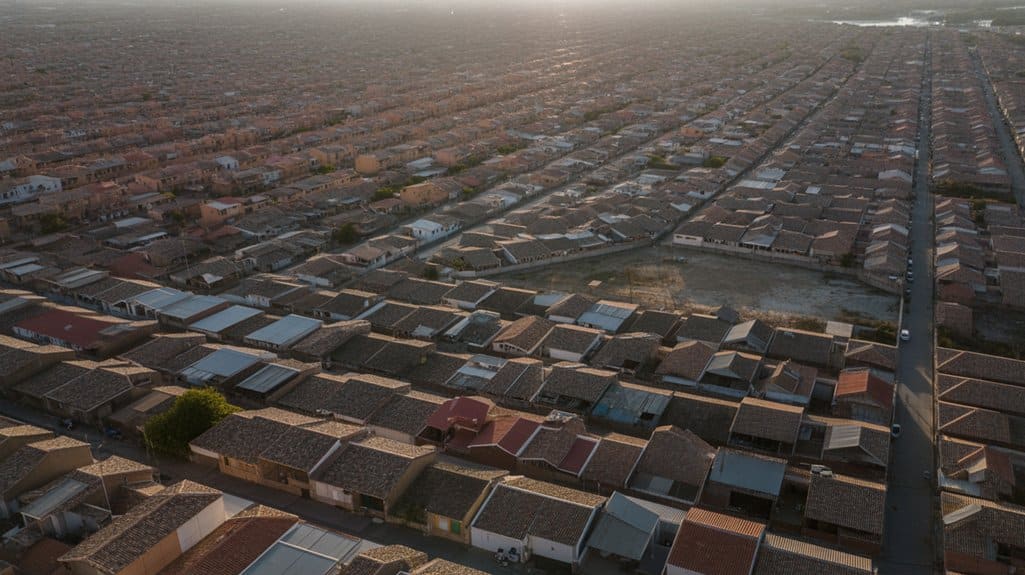
The numbers tell a clear story in Ciudad de la Costa and Canelones right now. Buyers are overwhelmingly looking for houses , casas make up 86% of active demand , yet apartments dominate 56% of available listings. That disconnect isn’t minor; it’s structural, and it’s reshaping how this market operates.
El Pinar, Solymar, and Lagomar are feeling the pressure most acutely. These neighborhoods have absorbed roughly 20% population growth over the past five years, and land simply hasn’t kept pace with that expansion. Once buildable plots become scarce in coastal corridors like these, the supply problem tends to compound rather than resolve itself.
Pricing reflects all of this. With houses averaging around US$280,000, buyers entering this market need to move with both patience and preparation. Well-priced casas in these zones are not sitting long, and the gap between listed inventory and genuine buyer preference means competition for the right property stays consistently high.
Anyone seriously considering a purchase here would do well to get pre-qualified early, define their priorities clearly, and stay close to a local agent who tracks new listings before they go wide. The fundamentals driving this shortage , population growth, limited land, and strong lifestyle appeal , aren’t going away anytime soon.
Key Takeaways
Buyers in Ciudad de la Costa and Canelones are overwhelmingly looking for houses , 86% of them, to be exact , yet houses now account for only 56% of active listings. That gap matters, and it’s only widened over time. Back in 2019, houses represented 89% of listings. The market has shifted structurally, and buyer preferences simply haven’t followed.
The neighborhoods drawing the most attention are El Pinar, Lomas de Solymar, and Solymar, which consistently top demand across the corridor. The catch is that casas de padrón único in these areas are genuinely scarce, and that scarcity is already priced in. When supply is tight and demand holds steady, sellers have the upper hand , and the numbers reflect that. Annual rent increases for houses have reached 26.6%, which is significant by any measure.
Land is where the longer-term picture gets even more constrained. Plots around 300 m² are becoming harder to find and are trading between USD 35,000 and USD 75,000 depending on location and services. For anyone thinking about building rather than buying an existing property, the window to secure well-priced land in this corridor is narrowing. These dynamics aren’t temporary , they reflect how the zone has matured and how much pressure continues to build from Montevideo’s ongoing residential expansion eastward.
Why Houses Are Scarce in Ciudad De La Costa
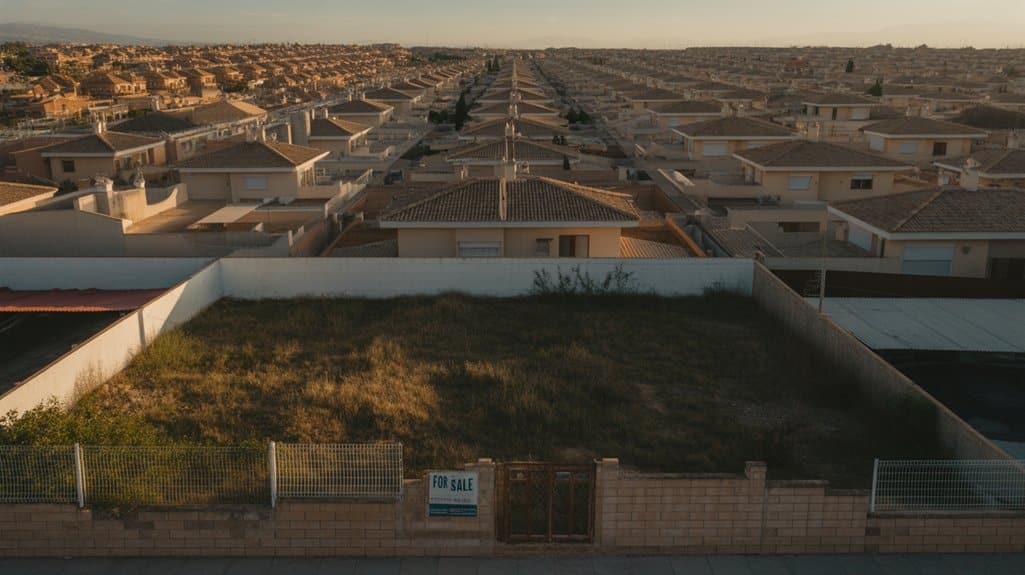
Ciudad de la Costa has taken in 23,001 new residents over just five years, pushing the population close to 114,633 , and the housing market simply hasn’t caught up. That kind of growth, nearly 20% of the current population, puts real strain on a coastal corridor that was never designed to scale this fast.
Most of that pressure lands in El Pinar, Lomas de Solymar, and Solymar, where demand for single-title houses is outpacing what’s actually available. Buyers here aren’t looking for temporary arrangements , they want ownership, stability, and the freedom to settle where they choose. The problem is that the land to support those goals is running out. Plots of 300 m² are increasingly hard to find, and when they do surface, they’re priced anywhere between USD 35,000 and 75,000, reflecting just how tight things have gotten.
What makes this harder to solve is that the shortage isn’t only about land. Planning frameworks haven’t kept pace with the growth rate, infrastructure remains uneven across the zone, and new residential projects tend to cluster rather than distribute across areas that could actually absorb demand. Similar dynamics have emerged elsewhere, where short-term rentals have been blamed for shrinking long-term housing supply amid tourism pressures. Each of those gaps feeds the next, and together they explain why competition for available properties keeps intensifying.
For anyone looking to buy in Ciudad de la Costa right now, waiting rarely works in your favor. The inventory of well-located, single-title houses is shrinking, and the conditions driving that trend show no signs of reversing.
How Much Does a House Cost in Ciudad De La Costa?
House prices in Ciudad de la Costa tend to fall between US$150,000 and US$350,000 for most transactions, though that range tells only part of the story. Smaller properties or those needing work can come in closer to US$85,000, while beachfront homes routinely climb past US$500,000 , and sometimes well past it, depending on the street and the views.
On a per-square-meter basis, expect to see anywhere from around US$948 at the lower end, US$1,200 to US$1,800 for standard used homes, and US$1,800 to US$2,500 for newer or recently renovated ones. Houses here consistently run higher per square meter than apartments, which is worth keeping in mind when comparing options across different property types.
Inventory in this market has been tight for a while now, and that pressure isn’t letting up. Buyers chasing value need to move decisively when something well-priced appears, because it won’t sit long. Knowing your budget ceiling before you start looking , and understanding where your target price sits within these ranges , makes a real difference in how efficiently you can act when the right property comes up. Recent growth in local housing projects has been supported by tax exemptions designed to encourage private investment in the area.
Average House Price Range
Prices here don’t follow a single pattern, and that’s something worth understanding before you start browsing listings. The market average sits close to U$S 280,000, but published properties range from U$S 145,000 all the way up to U$S 710,000 , a spread wide enough to catch buyers off guard if they haven’t done their homework. What you see in a headline figure rarely tells the full story.
Bedroom count moves the numbers considerably. One-bedroom homes tend to land around U$S 125,250, two-bedroom properties come in near U$S 176,892, and three-bedroom houses push toward U$S 201,017. Knowing where your needs fall within that breakdown saves time and keeps expectations realistic from the start.
Ciudad de la Costa genuinely caters to different budgets and goals. Entry-level buyers can find workable options near U$S 145,000, while those looking at premium homes with more space or proximity to the rambla are comfortably operating above U$S 700,000. Neither end of that range is an outlier , both reflect real demand in this market.
The key is knowing exactly where your target sits before committing to visits or negotiations. For instance, a two-bedroom house in Lagomar, Canelones has recently been listed at U$S 175,000, giving buyers a concrete reference point within that segment. This is a varied market, and that variety works in your favor as long as you approach it with the right information rather than assumptions.
Price Per Square Meter
So, what does a house actually cost per square meter here? The most commonly cited reference sits at USD 1,200/m² for a new build , a reasonable baseline for anyone trying to cut through the noise and avoid overpaying. In practice, though, the working range runs between USD 1,200 and 2,500/m², depending on finish quality and location.
Premium zones are a different conversation altogether. Parque Carrasco, Barra de Carrasco, and Parque Miramar regularly hit USD 3,200, 3,500/m², well above Canelones’ departmental average of USD 2,688/m². Those numbers reflect real demand, not speculation , Mercado Libre Inmuebles registered an 11% price increase in a single year, and that pressure isn’t easing anytime soon. This mirrors a broader pattern seen in other markets, where coastal price acceleration has made buying property along the coast as inaccessible or more so than in dense urban centers.
What that tells you is straightforward: generalizations won’t serve you well in this market. Neighborhood, property type, and construction condition each carry their own weight, and the real price lives in those details, not in averages.
Houses Vs Apartment Prices
Houses in Ciudad de la Costa carry a price range that apartments simply don’t match , listings run from US$ 145,000 up to US$ 710,000, with the market averaging around US$ 280,000. That spread reflects something real: land value in this corridor holds and grows on its own, and that’s worth paying attention to.
A used house here typically falls between US$ 120,000 and US$ 200,000, while a comparable apartment sits in the US$ 100,000, 180,000 range. The difference isn’t enormous on paper, but what you’re gaining matters:
- Land that appreciates independently of the structure itself
- Outdoor space , garden, parrillero, patio , things an apartment simply can’t give you
- Genuine autonomy over your property, with no building administration fees eating into your monthly budget
Apartments make sense when square-meter efficiency is the priority , and in certain pockets of Ciudad de la Costa, they’re a smart, low-maintenance entry into a growing market. A house, though, gives you something harder to quantify: the freedom to build, expand, or simply live without shared walls and committee approvals. Some listings even include lots as large as 900 square meters, underscoring just how much room there is to grow beyond typical apartment living. In Uruguay, where outdoor living is deeply part of the culture, that matters more than buyers sometimes realize until they’re already settled in.
Casas vs Apartments: Ciudad De La Costa’s Listing Flip
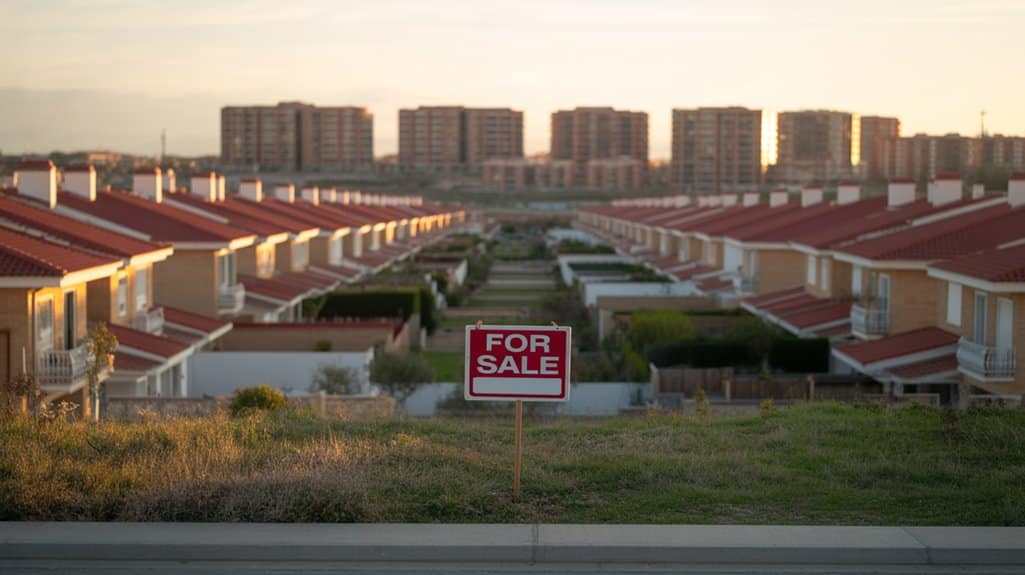
Ciudad de la Costa’s listing data tells a story worth paying close attention to. Five years ago, houses dominated published listings at 79%, with apartments accounting for just 21%. By June 2026, that picture had completely reversed , apartments had climbed to 62% while houses fell to 38%. A late-2025 snapshot captured the market mid-transition at 56% apartments versus 44% houses, making clear this was no temporary fluctuation.
Among the three markets analyzed, Ciudad de la Costa is the only one where the predominant property type actually changed. That’s significant. This coastal corridor has always attracted buyers looking for space, greenery, and the kind of lifestyle that a house on a quiet street delivers better than any apartment can. The appetite for houses hasn’t gone anywhere , but the supply of listed properties has shifted quietly and consistently toward apartments.
Sellers have adapted their strategies faster than buyers have noticed. What that means practically is that anyone searching for a house in Ciudad de la Costa today is working through a noticeably thinner pool than they would have a few years ago. Less competition among listings doesn’t always translate to better deals , in a market with constrained supply and steady demand, the opposite tends to be true. If a house fits what you’re looking for here, moving decisively matters more than it once did.
El Pinar, Solymar, and Lagomar Lead Casa Demand
Three neighborhoods account for nearly all casa demand across Ciudad de la Costa, and the pattern has been consistent long enough to take seriously. Buyers and renters looking for space, a parrillero, and room to breathe keep landing in the same places:
- El Pinar: 23% of buying interest, 24% of rental demand, and the fastest population growth in the region
- Solymar: 17% of buyer searches, 18% of rental demand, and 22,214 residents giving it real weight
- Lagomar: third in rentals at 10%, holding steady even with tighter supply
El Pinar draws people searching for casas de padrón único , properties that are genuinely scarce and priced accordingly. Solymar competes on liveability: good amenities, generous patios, and parrilleros that make outdoor life in Uruguay feel exactly as it should. Lagomar rounds out the three with quieter appeal, though supply there has never caught up with demand.
Anyone watching this market closely will notice that oferta across all three neighborhoods consistently falls short. That gap matters whether you’re deciding where to list or where to buy.
Population Growth Is Squeezing Ciudad De La Costa Housing
The numbers tell the story clearly. Ciudad de la Costa is home to somewhere between 114,000 and 116,000 residents, and that figure climbed by around 23,000 people over just five years , roughly 20% growth that the existing housing stock simply wasn’t designed to absorb. When a municipio expands at that pace, the pressure shows up everywhere: on individual lots, on quiet residential streets, on every casa that comes to market.
What’s also changed is how people are living here. Fewer residents are commuting into Montevideo the way they used to. Many have shifted toward building their lives entirely within Ciudad de la Costa, which is a meaningful transition , this is no longer a dormitory community for the capital. That shift brings real opportunity, but it also raises the stakes considerably. Permanent residents need permanent infrastructure, and right now housing supply hasn’t caught up with that reality.
Decades of urban sprawl from Montevideo shaped this coastline into what it is today, and that organic growth created a solid foundation. The challenge is that sustained, rapid population increase has now outpaced what was built. For anyone looking to buy or invest here, understanding that gap between demand and available inventory is genuinely important , it directly affects pricing, availability, and the kind of decisions worth making sooner rather than later.
What Rising Demand Means for Prices and Rent Timing
Demand has quietly been outrunning supply in Ciudad de la Costa for some time now, and the numbers tell that story with uncomfortable clarity. Houses are what 86% of buyers are actually looking for, yet apartments now make up 56% of listings , a structural mismatch that’s been pushing real estate prices steadily upward across the zone. Renters carry the sharpest end of that pressure, particularly for houses, where supply has tightened to the point where rental prices show almost no flexibility regardless of what tenants are willing to pay.
Three figures worth keeping close when making any decision here:
- 26.6%: annual rent increase for houses in Ciudad de la Costa
- US$ 4,102: price per square meter for apartments, compared to US$ 2,500 for houses
- 89% to 56%: the drop in house listing share since 2019
Seasonal demand adds another layer to this, particularly during summer months when the coastal strip draws significant interest from Montevideo residents and buyers from across the Río de la Plata. Landlords read that cycle well, which is why contract terms have been getting shorter , they know scarcity works in their favor. For anyone renting or buying in this market, timing a move with that seasonal rhythm, rather than against it, makes a real difference in both price and negotiating room.
References
- https://www.infocasas.com.uy/venta/casas/canelones/ciudad-de-la-costa
- https://infonegocios.biz/enfoque/como-en-tiempos-de-pandemia-ciudad-de-la-costa-gana-en-demanda-de-viviendas
- https://listado.mercadolibre.com.uy/inmuebles/casas/canelones/ciudad-de-la-costa/
- https://www.idealista.com/pro/viviendasenlacosta/
- https://www.elobservador.com.uy/cafe-y-negocios/ciudad-la-costa-oferta-apartamentos-se-triplico-los-ultimos-cinco-anos-y-su-precio-media-venta-duplica-al-las-casas-n6052442
- https://news.mercadolibre.com/informe-de-inmuebles-2025-uruguay
- https://www.elobservador.com.uy/cafe-y-negocios/el-crecimiento-ciudad-la-costa-y-su-impacto-el-mercado-inmobiliario-mas-20000-personas-se-mudaron-la-zona-los-ultimos-cinco-anos-n6009574
- https://prensamercosur.org/2025/07/30/ciudad-de-la-costa-absorbe-mas-de-23-000-nuevos-residentes-en-cinco-anos-y-transforma-el-mercado-inmobiliario/
- https://220.uy/contenido/29425/mercado-libre-revelo-las-tendencias-del-mercado-inmobiliario-en-uruguay
- https://www.dw.com/es/escasez-de-vivienda-en-españa-enojo-contra-turistas-y-especuladores/a-72827343